
Last updated October 30, 2026
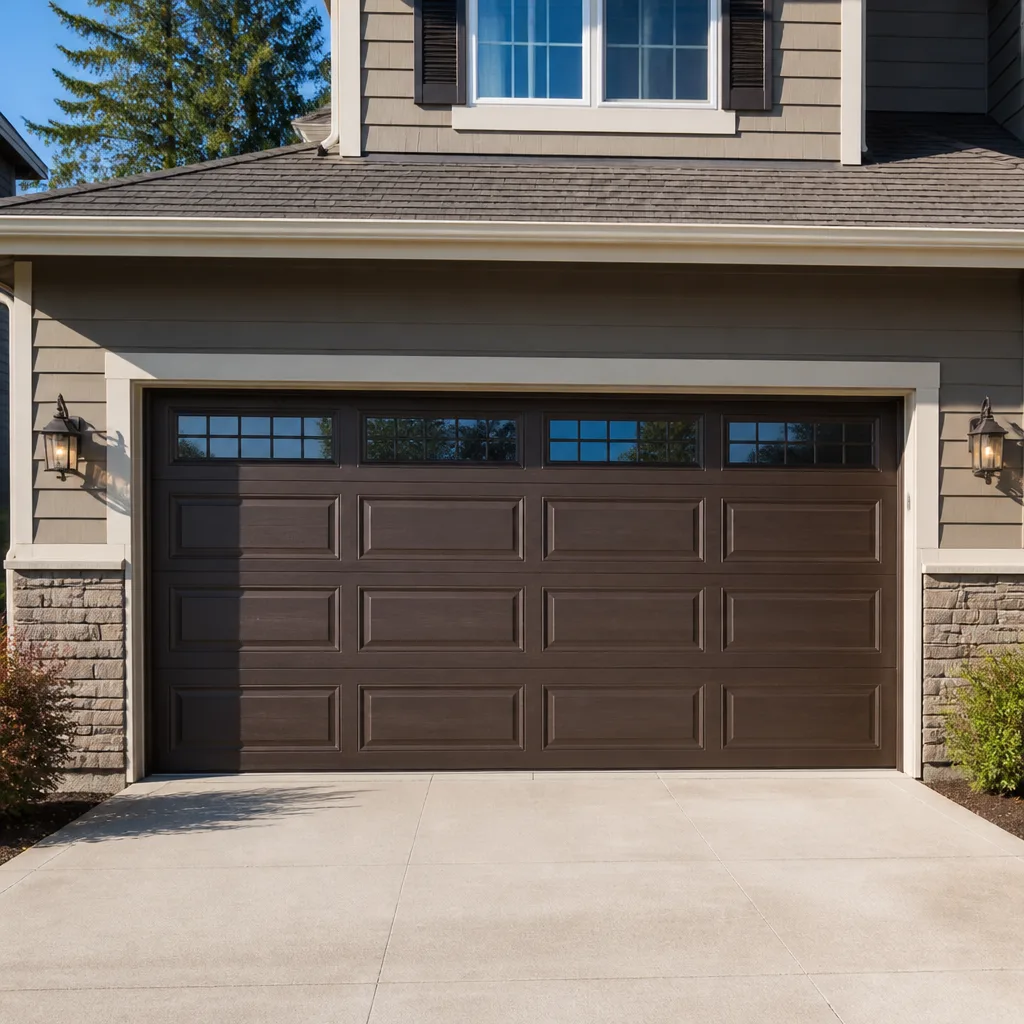 Raised-panel steel
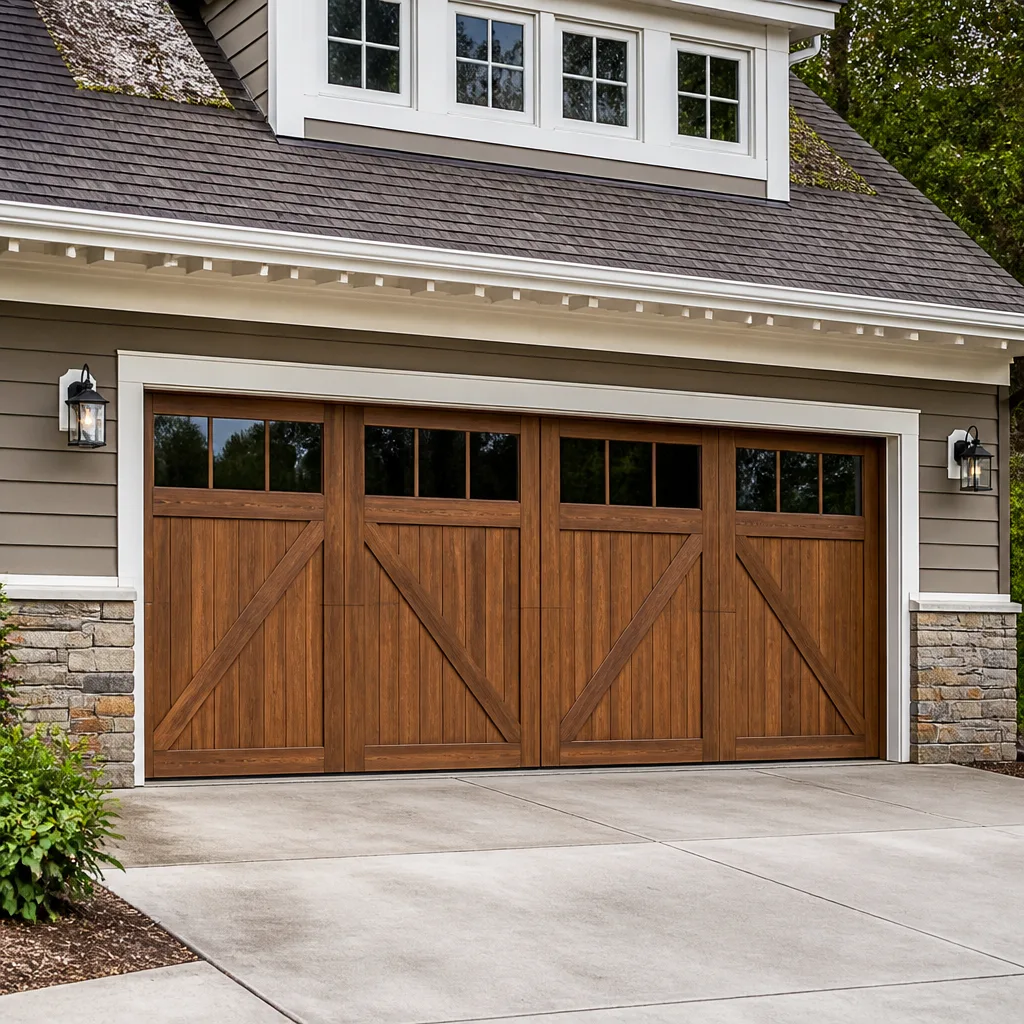 Carriage house
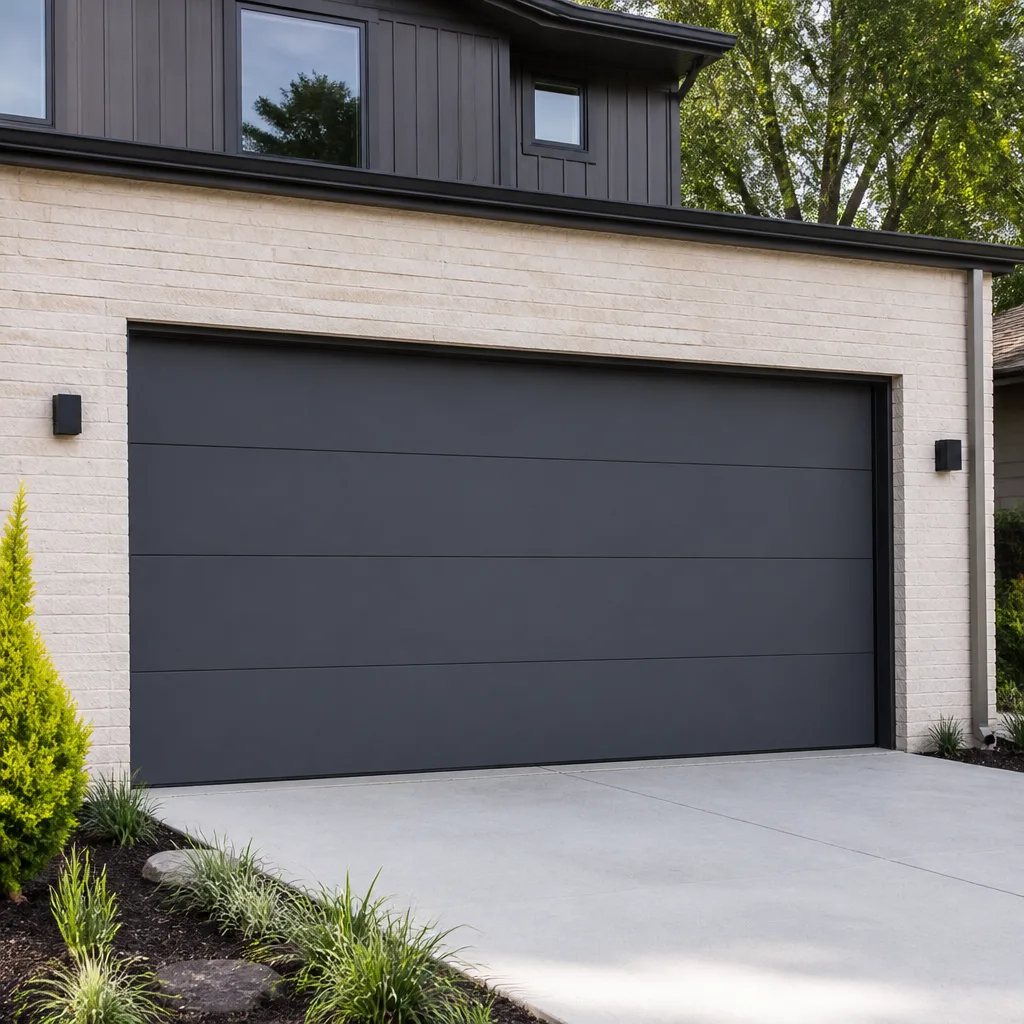 Modern flush
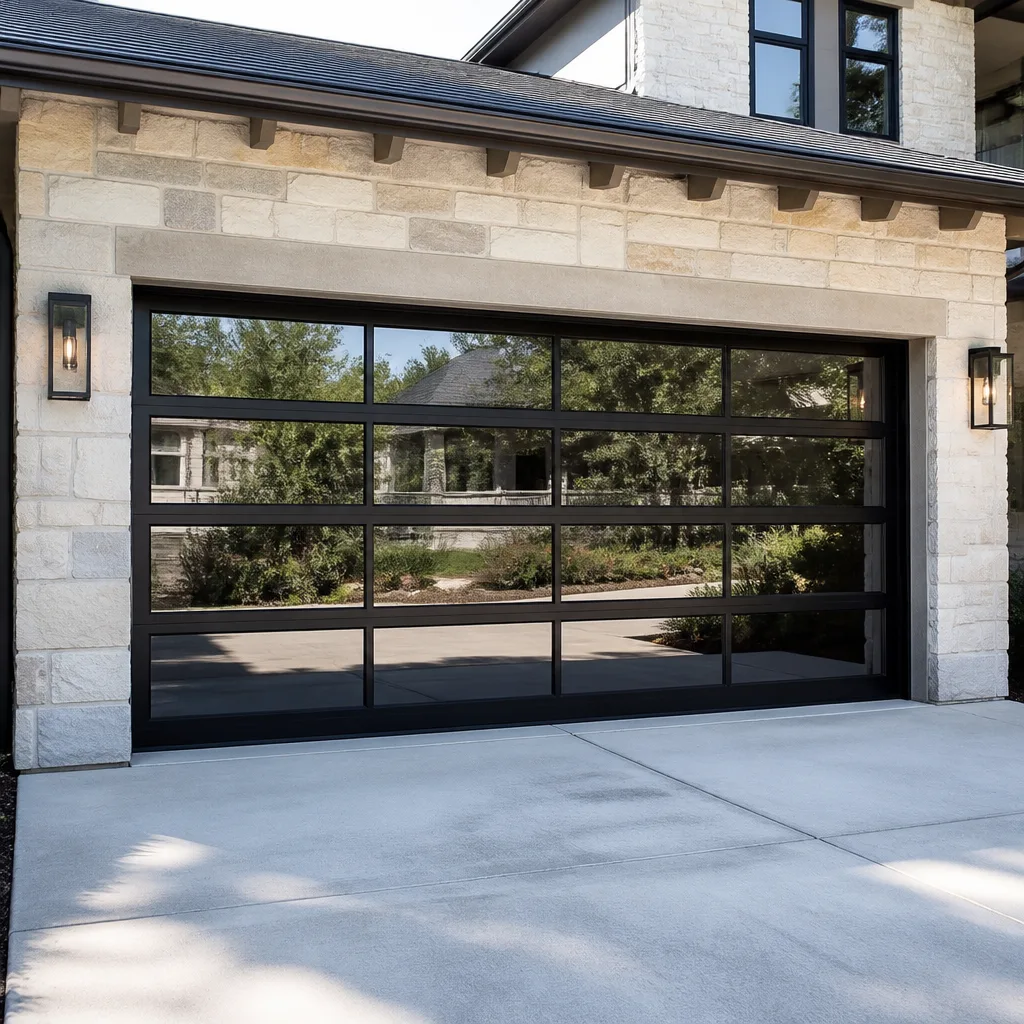 Full-view glass
 LiftMaster openers
 Chamberlain openers
Full 25-point door and opener safety check with every visit - springs, cables, rollers, tracks, and your LiftMaster or Chamberlain opener included
You get a price before we start. It does not change when the truck arrives.
Get your free estimateThe Complete Guide to Garage Doors in Roseville
Most Roseville homeowners treat a garage door failure as random bad luck. It isn’t. The majority of west-side subdivisions – from Westpark to Fiddyment Farm to the older Sun City tracts – were built in two distinct construction waves, and the doors installed during each wave are now reaching the same age-related failure points at roughly the same time. A torsion spring that snaps in a JMC home on one block is statistically likely to snap in the Lennar home three doors down within the same year. This guide maps those patterns so you know exactly what you have, what will wear out first, and what to do about it before the door refuses to open on a Monday morning.
Quick Answer
Most garage doors in Roseville are original builder-grade units installed between 1995 and 2015, and the first components to fail are almost always the torsion spring, the bottom weatherseal, and the cable drum. On a 10-to-15-year-old door, spring replacement typically costs $180 to $340, while a full door replacement runs $1,200 to $3,800 depending on size, insulation, and HOA restrictions on panel style. If you know your door’s brand and age, you can predict what’s coming next – and budget for it instead of reacting to it.
Styles & brands we work with
- Raised-panel steel
- Carriage house
- Modern flush
- Full-view glass
- LiftMaster openers
- Chamberlain openers
Table of Contents
- Roseville’s Garage Door Stock: Two Builder Waves, Predictable Failures
- How to Identify Your Door’s Original Spec
- The Three Components That Fail First in Sacramento Valley Heat
- What ‘Builder-Grade’ Actually Means in Materials Terms
- HOA Restrictions: What Westpark, Sun City, and Fiddyment Farm Actually Enforce
- Opener Compatibility: What Works With What You Have
- Repair vs. Replace: A Decision Tree Based on Facts, Not Rules of Thumb
- What Garage Door Work Costs in Roseville
Roseville’s Garage Door Stock: Two Builder Waves, Predictable Failures
Roseville’s residential growth came in two major surges. The first ran from roughly 1995 through 2007, when builders like JMC Homes and William Lyon put up thousands of production homes across Sun City, Johnson Ranch, and the original Westpark tracts. The second wave started around 2010 and continued through 2015, filling out Fiddyment Farm, Westbrook, and Crocker Ranch with newer builds, many from Lennar.
Why does this matter for your garage door? Because each wave used similar door specifications across hundreds of homes. The 1995-to-2007 doors were typically 16-by-7-foot steel pan doors, non-insulated, with extension springs or early torsion spring systems. The doors themselves were often Clopay or Wayne Dalton builder lines, with Raynor appearing frequently in the Sun City active-adult communities. The 2010-to-2015 wave shifted toward 18-by-7-foot doors on many floor plans, with torsion springs becoming standard and Amarr and Clopay supplying most of the builder contracts.
Here’s the practical takeaway: if your Roseville home was built between 2003 and 2010, your original door is now between 15 and 22 years old. That’s beyond the typical service life of a builder-grade torsion spring, which runs 10,000 to 15,000 cycles – roughly 8 to 12 years of normal use for a two-car household. We see clusters of spring failures in specific subdivisions because the doors were installed within months of each other. It’s not bad luck. It’s arithmetic.
For homeowners who want to understand the full scope of issues that affect doors at this age, our Garage Door Repair in Roseville page covers the specific failure patterns we see across the city’s older tracts.
How to Identify Your Door’s Original Spec
Before you can make a smart repair or replacement decision, you need to know what you actually have. Most Roseville homeowners have never looked closely at their garage door – it goes up, it comes down, and that’s the end of the relationship. But your door carries identifiable markers that tell you its brand, approximate age, and original specification. Here’s how to read them.
- Check the inside of the top panel for a label or stamp. On Clopay doors, you’ll typically find a white manufacturer label on the left inside edge of the top panel. Wayne Dalton doors often have a metal ID tag riveted to the top section. Raynor stamps their name into the bottom corner of the end stiles. If you have a Chamberlain or Genie opener, the opener brand tells you nothing about the door itself – builders mix and match freely.
- Look at the panel profile. Builder-grade Clopay doors from the 1990s and 2000s typically have a flush or shallow-ribbed steel face. Wayne Dalton’s builder lines often use a distinctive raised rectangular panel. Amarr’s entry-level doors show a smooth, flat face with defined horizontal seams. Raynor panels tend toward a shallow wood-grain texture even on their steel builder models.
- Check the bottom weatherseal design. Raynor and Clopay use different T-channel and bead-style retainers on the bottom of the door. If your seal retainer runs the full width as an aluminum channel, that points to Clopay. If it’s a roll-formed steel bead pressed into the bottom panel, you’re likely looking at Wayne Dalton or Amarr.
- Measure the door. A 16-foot-wide door indicates a two-car garage from the earlier wave. An 18-foot door is more common on 2010-and-newer builds, though some Lennar plans used 18-foot doors as far back as 2006 in specific subdivisions.
Knowing the brand matters because parts are not universal. A Raynor torsion spring from the Sun City era has different inside diameters and wire gauges than a Clopay spring from the same year. Cable drums, hinges, and roller sizes vary by manufacturer. When a technician arrives already familiar with your brand – whether it’s a Clopay door, a Chamberlain opener, or a Genie drive system – the diagnostic time drops significantly. That’s the core value of the Wright Garage Door Repair home approach: we service eight major brands and know the quirks of each.
The Three Components That Fail First in Sacramento Valley Heat
Roseville’s climate is hard on garage doors in ways homeowners don’t anticipate. Summer temperatures routinely exceed 100 degrees, and the inside of a west-facing garage door can hit 140 degrees or more in July and August. That thermal cycling – heating to 140, cooling to 50 overnight – puts specific stress on three components that fail before anything else.
1. Torsion springs. The torsion spring counterbalances the entire weight of the door. Every time the door cycles, the spring winds and unwinds under tension. Roseville’s temperature swings cause the spring steel to expand and contract, and over 10,000 to 15,000 cycles, fatigue cracks form at the cone ends and winding points. When the spring fails, it’s loud – many homeowners describe it as a gunshot. This is the single most common repair we perform in Roseville, and it’s clustered heavily in homes built between 2003 and 2012.
2. Bottom weatherseal. The rubber or vinyl seal along the bottom of the door is the first thing to show visible wear. Sacramento Valley summers bake it brittle; winter rains keep it wet against the concrete. After five to seven years, the seal cracks, splits, and stops keeping water, dust, and pests out of the garage. This is a cheap fix – typically $85 to $150 for the seal and labor – but it’s also the repair homeowners ignore until they see daylight under the door.
3. Cable drums and cables. The lift cables run from the bottom brackets up to the cable drums mounted on the torsion bar. Each cycle winds and unwinds those cables. On 10-to-15-year-old doors, the cables fray at the bottom bracket, and the drums – particularly the cast aluminum drums on Wayne Dalton and Raynor doors – develop wear in the cable groove. A frayed cable left alone becomes a snapped cable, and a snapped cable puts the entire door out of service.
These three failures follow a predictable sequence. The weatherseal goes first, usually by year seven. The springs go between years 10 and 14. The cables and drums follow shortly after, often accelerated by the stress of a weakening spring. If your Roseville door is in that age window and you haven’t addressed any of these, you’re not experiencing three separate problems – you’re experiencing one older door.
What ‘Builder-Grade’ Actually Means in Materials Terms
“Builder-grade” is a phrase people toss around without knowing what it translates to in steel and hardware. Here’s what it means on the original doors installed across Roseville’s production-home communities.
A builder-grade steel door from the 1995-to-2015 era typically uses 26-to-27-gauge steel on the face and back. That’s roughly 0.018 to 0.021 inches thick. It’s enough to hold the door’s shape, but it dents when a basketball hits it and flexes noticeably when someone leans on it while the door is down. The insulation – if there is any – is a thin polystyrene sheet with an R-value between 4 and 6. Many earlier-wave Roseville doors have no insulation at all, which is why garages in Sun City and Johnson Ranch hit 110 degrees in August.
The hardware is where builder-grade really shows. Entry-level hinges are 18-gauge steel with plastic bushings. The rollers are pressed steel with no bearings. The tracks are 2-inch vertical with limited reinforcement. This hardware works – for a while. Ten to fifteen years in, the roller bushings wear, the hinges develop play, and the door starts running rough and loud.
A step-up specification changes all of these numbers simultaneously:
- Steel gauge: 24-gauge (0.023 to 0.025 inches) or 22-gauge on premium doors. Noticeably more dent-resistant.
- Insulation: Polyurethane foam injection, R-value 12 to 18, with a thermal break between steel layers. The difference inside a west-facing Roseville garage in July is dramatic – often 20 to 25 degrees cooler.
- Rollers: Nylon rollers with sealed ball bearings. Quieter, smoother, and they don’t chew up the track the way metal rollers do.
- Hinges and brackets: 14-to-16-gauge steel with reinforced mounting points.
- Springs: Premium-cycle springs rated for 25,000 to 30,000 cycles – roughly 20 years of normal use instead of 10.
The price difference between original spec and a step-up door is real but not enormous. A quality 16-by-7 Amarr or Clopay door with polyurethane insulation typically runs $1,700 to $2,800 installed in Roseville, compared to $1,200 to $1,500 for a basic replacement. Spread over a 20-year service life, that’s roughly $35 to $45 a year for a quieter, cooler, more durable door. For details on what a full replacement involves, see our Garage Door Installation in Roseville page.
HOA Restrictions: What Westpark, Sun City, and Fiddyment Farm Actually Enforce
Roseville has one of the highest HOA participation rates in Placer County, and the larger master-planned communities actively regulate what you can put on your garage face. If you’re planning a full replacement, you need to check before you buy – not after the new door is in the opening.
Westpark: The Westpark Master Association maintains architectural guidelines that require garage doors to remain within the original design palette. The dominant styles are raised panels in neutral tones – white, almond, sandstone, and a specific taupe that matches the original Lennar and JMC exterior packages. Carriage-house styles are generally permitted only in the later-phase sections where the original plans included them. If your original door was a flat-panel white, you’re replacing it with a flat-panel white unless you file for architectural review.
Sun City Roseville: The Sun City governing documents are detailed in this area, and the active-adult community enforces consistency. The original Raynor doors are a specific profile, and the association requires replacements to match either the original or an approved equivalent. The approval process here is straightforward but slow – plan for three to four weeks of review if you want something other than a like-for-like swap.
Fiddyment Farm: The newer subdivisions in Fiddyment Farm fall under the Fiddyment Farm Association or their phase-specific governing bodies. These typically follow the builder’s original design package, which for most Lennar phases means a raised-panel steel door in white, almond, or gray. Some of the newer sections have approved carriage-house overlays. Like Westpark, anything outside the original palette needs written approval.
The practical takeaway: if you’re doing a like-for-like replacement in an HOA community, you usually don’t need formal approval. If you’re changing panel profile, adding windows, or car changing color, budget the extra approval time. And always – always – confirm the HOA specs before ordering a door. A special-order door that doesn’t meet the association’s standard is a $2,000 mistake that no installer can fix for free.
Opener Compatibility: What Works With What You Have
The garage door and the opener are two separate systems, and they age at different rates. Understanding how they interact is the difference between a smart repair and a cascade of avoidable failures.
Most Roseville production homes from the 1995-to-2007 wave came with Chamberlain or Genie chain-drive openers. The 2010-and-later Lennar builds shifted toward belt-drive Chamberlain and LiftMaster units. These original openers are now hitting their own age milestone – a chain-drive opener from 2005 is 20 years old in 2025, and the motor, the gear-and-sprocket assembly, and the logic board all have finite service lives.
The key compatibility question is this: does your opener have enough life left to justify pairing it with a new door? Here’s the decision sequence we walk Roseville homeowners through:
- If your opener is under eight years old and the door is being replaced, keep the opener. A new door is lighter and better balanced, which actually extends the opener’s remaining service life.
- If your opener is over 12 years old and you’re replacing the door, replace both. Installing a new door on a 12-year-old chain-drive opener means you’ll likely be back within 24 months for opener work anyway, and you’ll pay two service calls instead of one.
- If your opener is the problem and the door is in good shape, repair or replace the opener alone. Chamberlain and Genie openers from the mid-2010s are often repairable – a gear replacement or a new drive belt is a $150 to $250 fix versus $450 to $700 for a new unit.
- If both are aging, replace the door first, then the opener. A new door reduces the load on an old opener, giving you time to budget for the opener replacement.
For Roseville homeowners dealing with a failed opener, our Garage Door Opener Repair in Roseville page details the specific failure modes we see on Chamberlain, Genie, and LiftMaster units in this climate.
Repair vs. Replace: A Decision Tree Based on Facts, Not Rules of Thumb
Vague advice like “replace if repairs cost more than half the door’s value” isn’t helpful when you don’t know your door’s value. Here’s a fact-based framework that applies to the specific door stock common in Roseville.
Step 1: Determine the door’s age. If your home was built before 2010 and the door is original, it’s 15 years old or more. That’s a door near the end of its first service life – not necessarily dead, but certainly in the age range where multiple components are near failure.
Step 2: Count what’s already failed. If this is the first repair on an original door, a targeted fix – a spring replacement, for example – makes sense. If you’ve already replaced the weatherseal, a spring, and a set of rollers over the last three years, the door is telling you something. A door that needs its third significant repair in five years is more expensive to maintain than to replace.
Step 3: Look at the panels. Dings and dents are cosmetic. Rust along the bottom edge of the panels is structural. A rusted-through bottom panel on a Clopay or Wayne Dalton door from the late 1990s means the rest of the door is on borrowed time, because the same moisture and thermal cycling that rusted that panel is working on the other three.
Step 4: Check the opener’s age. If the opener is also original, you’re looking at two systems reaching end-of-life simultaneously. Replacing the door but keeping the original opener means another expensive service call is likely within two years.
Step 5: Consider what a replacement buys you. A new Amarr or Clopay door with polyurethane insulation, nylon rollers, and a premium-cycle spring changes the user experience – quieter operation, a cooler garage, fewer failures – and resets the clock on every component at once. That’s not a repair. That’s a 20-year horizon.
The decision tree is simple:
- Door under 10 years old, single repair needed → repair it.
- Door 10 to 15 years old, first major repair → repair it, but start budgeting for replacement.
- Door 10 to 15 years old, second or third major repair → replacement is cheaper over the next five years.
- Door over 15 years old, any major repair → get a replacement quote before committing to the repair.
- Door over 20 years old → replace it. The next failure is not a matter of if.
What Garage Door Work Costs in Roseville
Roseville pricing is influenced by the city’s distance from major parts distributors and the relatively consistent home sizes across the suburban tracts. Here are the ranges we quote for common jobs in this market:
| Service | Typical Range in Roseville | Notes |
|---|---|---|
| Torsion spring replacement (single spring) | $180 – $280 | Includes spring, labor, and rebalancing. Premium-cycle springs add $40 – $60. |
| Torsion spring replacement (double spring) | $280 – $420 | Two-spring setup. Both springs should be replaced together. |
| Bottom weatherseal replacement | $85 – $150 | Includes new seal and retainer if needed. |
| Cable and drum replacement | $160 – $280 | Both sides. Recommended when drums show groove wear. |
| Opener repair (gear, belt, or board) | $150 – $350 | Depends on the specific failure and opener brand. |
| New opener installation | $450 – $700 | Includes basic belt-drive unit and labor. |
| Full door replacement (builder-grade, non-insulated) | $1,200 – $1,600 | 16×7 steel pan door, standard hardware. |
| Full door replacement (insulated, step-up spec) | $1,700 – $2,800 | Polyurethane core, 24-gauge steel, premium hardware. |
| Full door replacement (premium, carriage or custom) | $3,000 – $4,800 | Custom finish, windows, insulation, high-cycle springs. |
These are the ranges we quote in Roseville. They are not estimates for your specific door – that requires seeing the panel condition, the existing hardware, and the opener configuration. Every job we quote is priced and agreed before any work starts. The price you approve is the price you pay. If a job turns out to have additional issues once we open it up, we stop and re-quote. We don’t surprise-invoice.
Common Mistakes to Avoid
- Lubricating without inspecting. Spraying lubricant on a door with a frayed cable or a cracked hinge buys you quiet noise for two weeks and masks the real problem. In Roseville’s dry summers, lubrication also attracts dust, which accelerates roller wear if you’re using the wrong product.
- Replacing one spring instead of the pair. On a two-spring door, the remaining spring has the same cycle count as the failed one. Replacing only one means a second service call within months. Good technicians replace both every time.
- Ignoring the weatherseal because “it still works.” A cracked bottom seal lets Roseville’s August heat pour into the garage, which warms the rooms above it and pushes your cooling bill up. A $100 seal replacement is also the cheapest insulation fix you’ll ever make.
- Choosing a door without checking the HOA. Every year, someone in Westpark or Fiddyment Farm orders a custom carriage door and installs it, then gets a violation letter. Check the architectural guidelines before you spend money, not after.
- Buying a door based on the opener’s age instead of its own. The opener is a machine with a motor. The door is a structural component. They have different service lives. Treat them as distinct systems or you’ll replace the wrong one.
- DIY spring work. Torsion springs store enough energy to cause serious injury if they release unexpectedly. In Roseville, this is the repair where we most often hear “I tried to fix it myself first” – usually after the door has come off the tracks and the job has tripled in cost. Do not do this yourself.
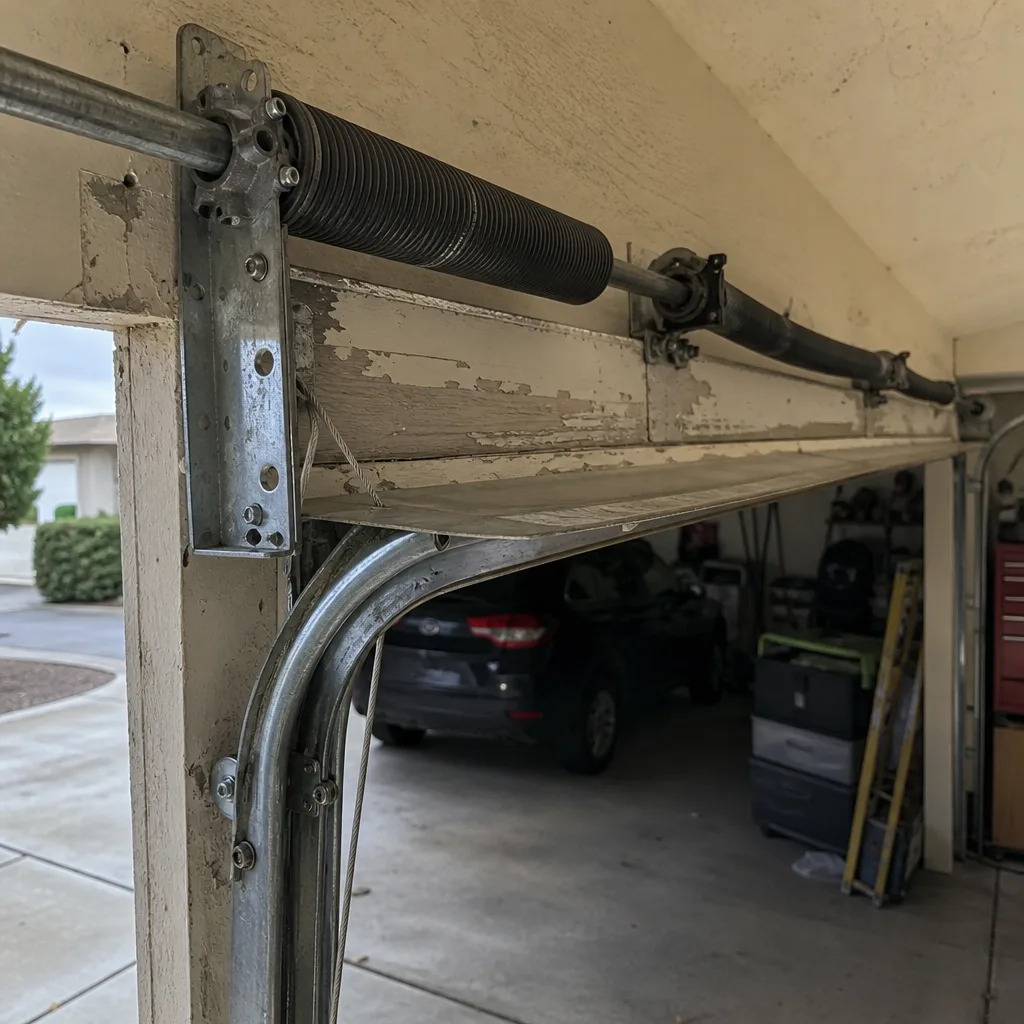
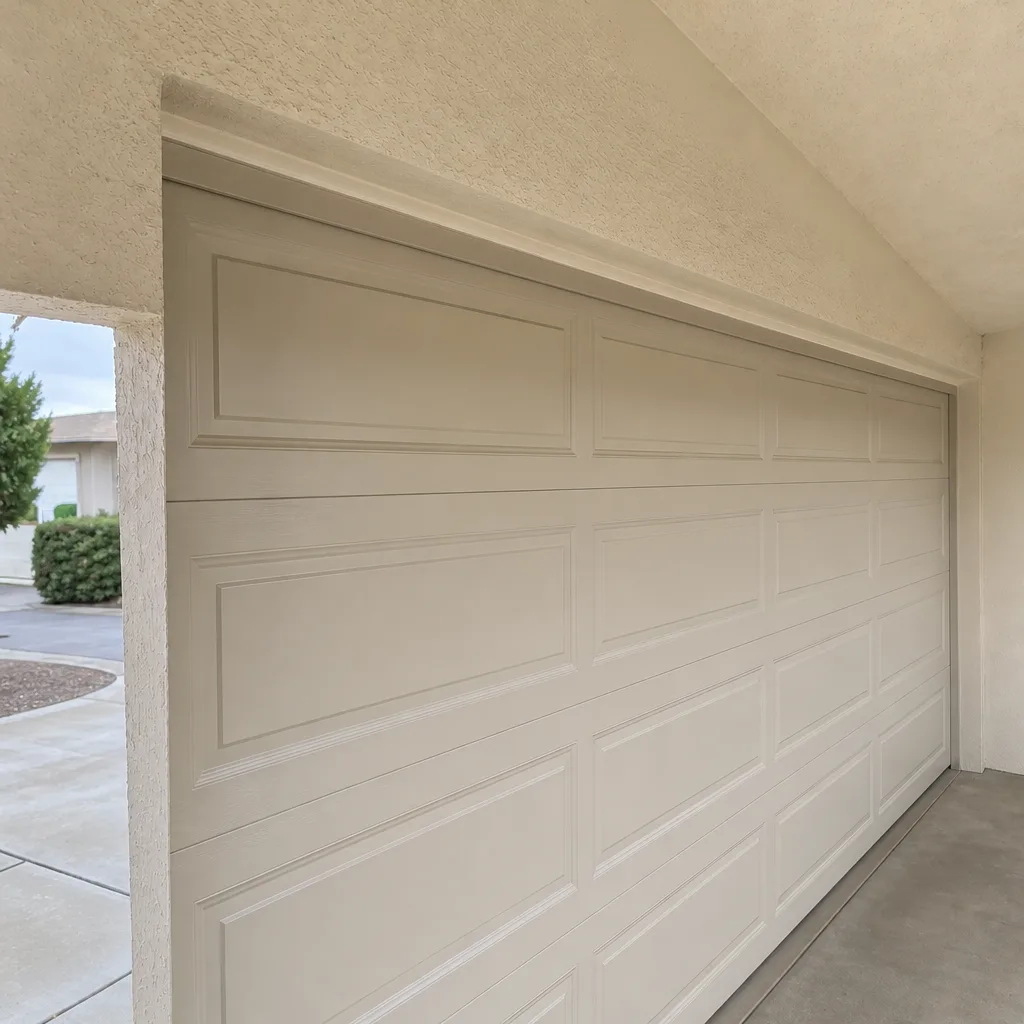
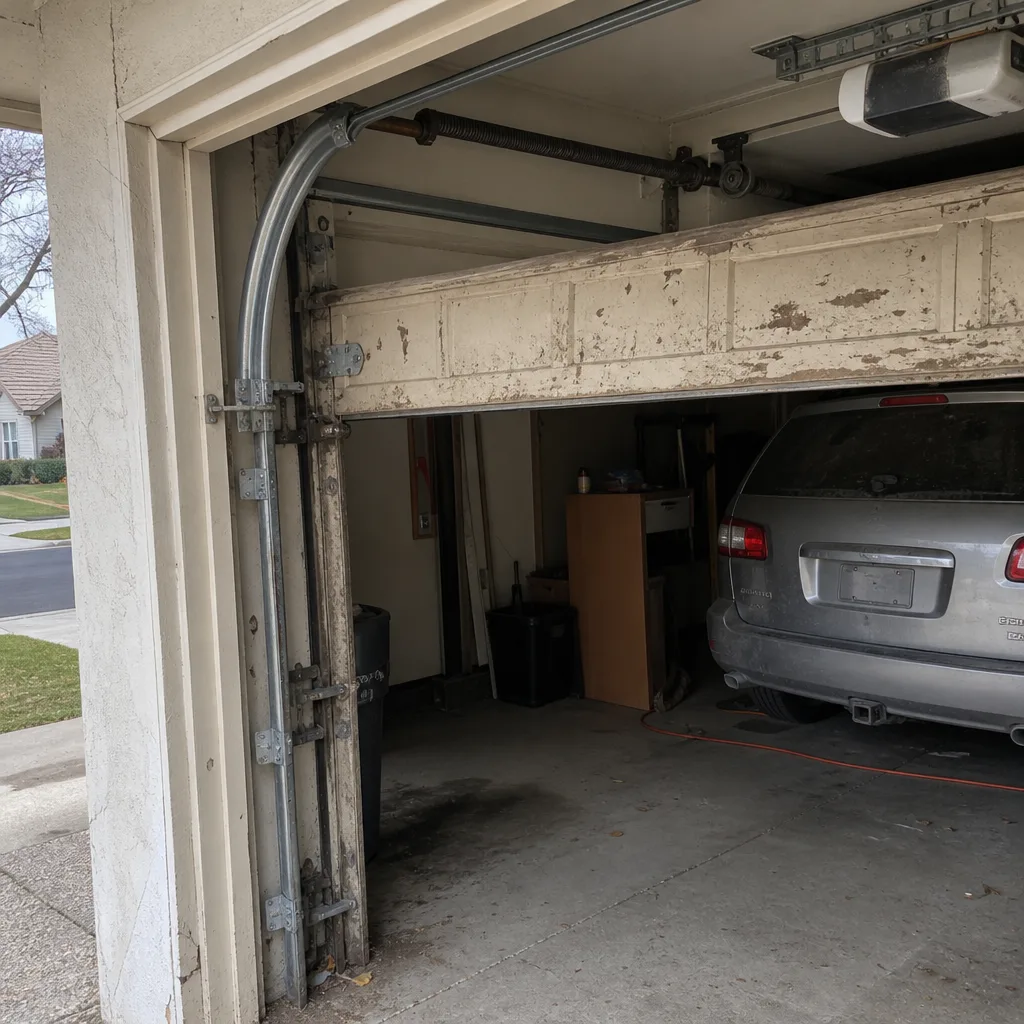
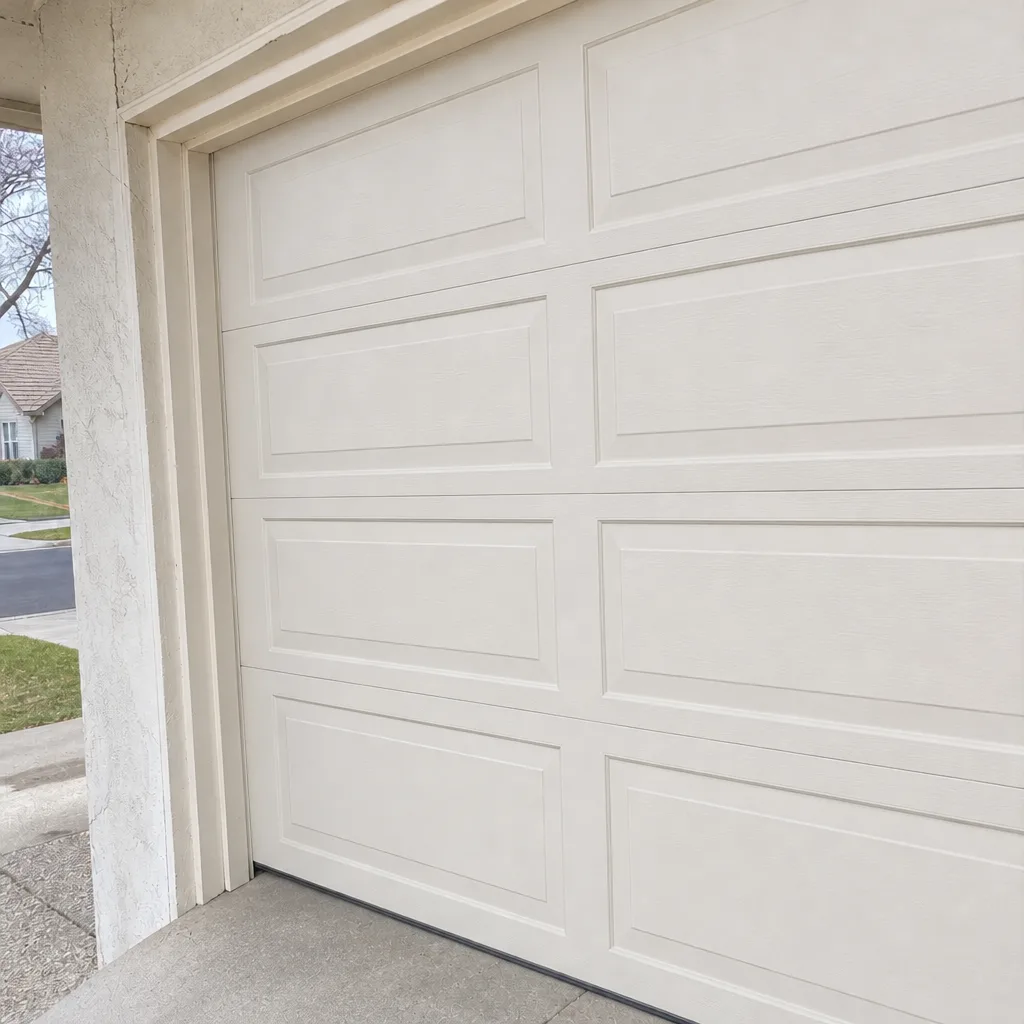
See the difference
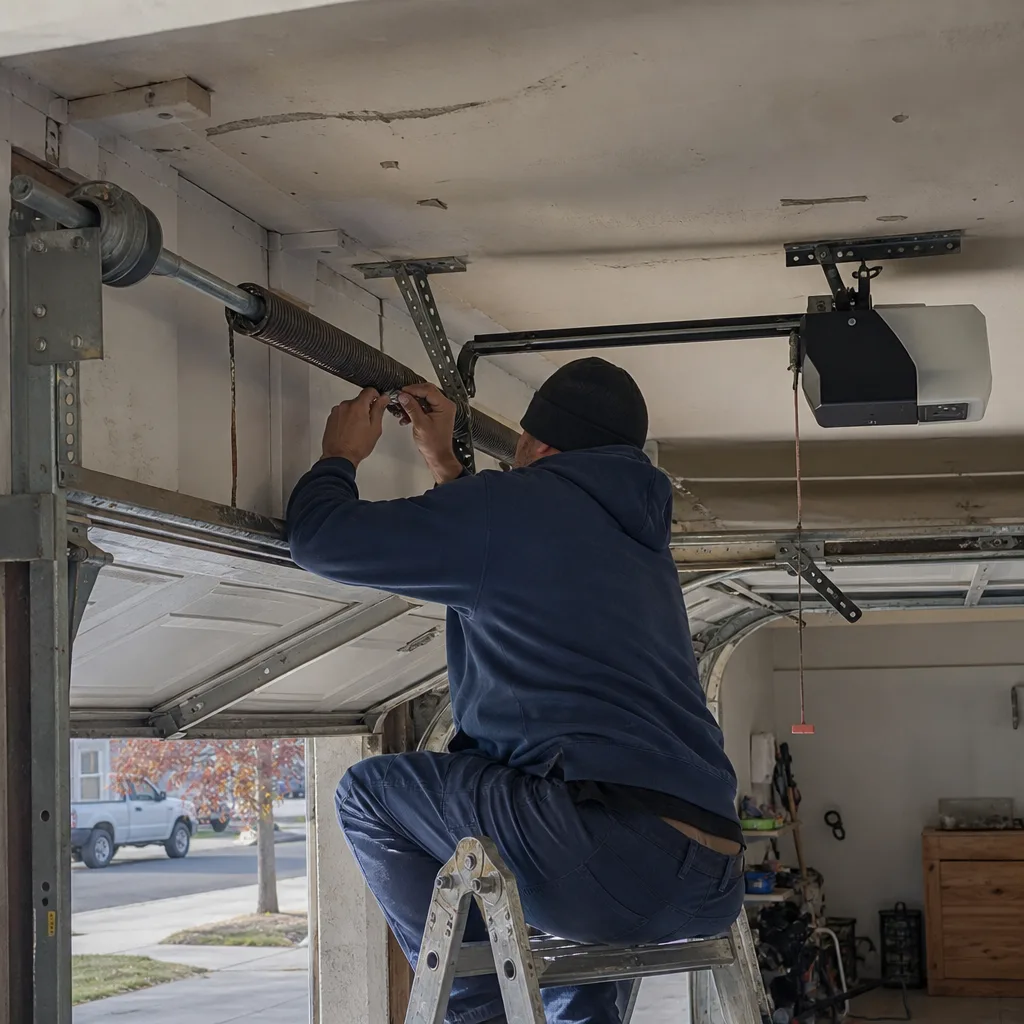 Before
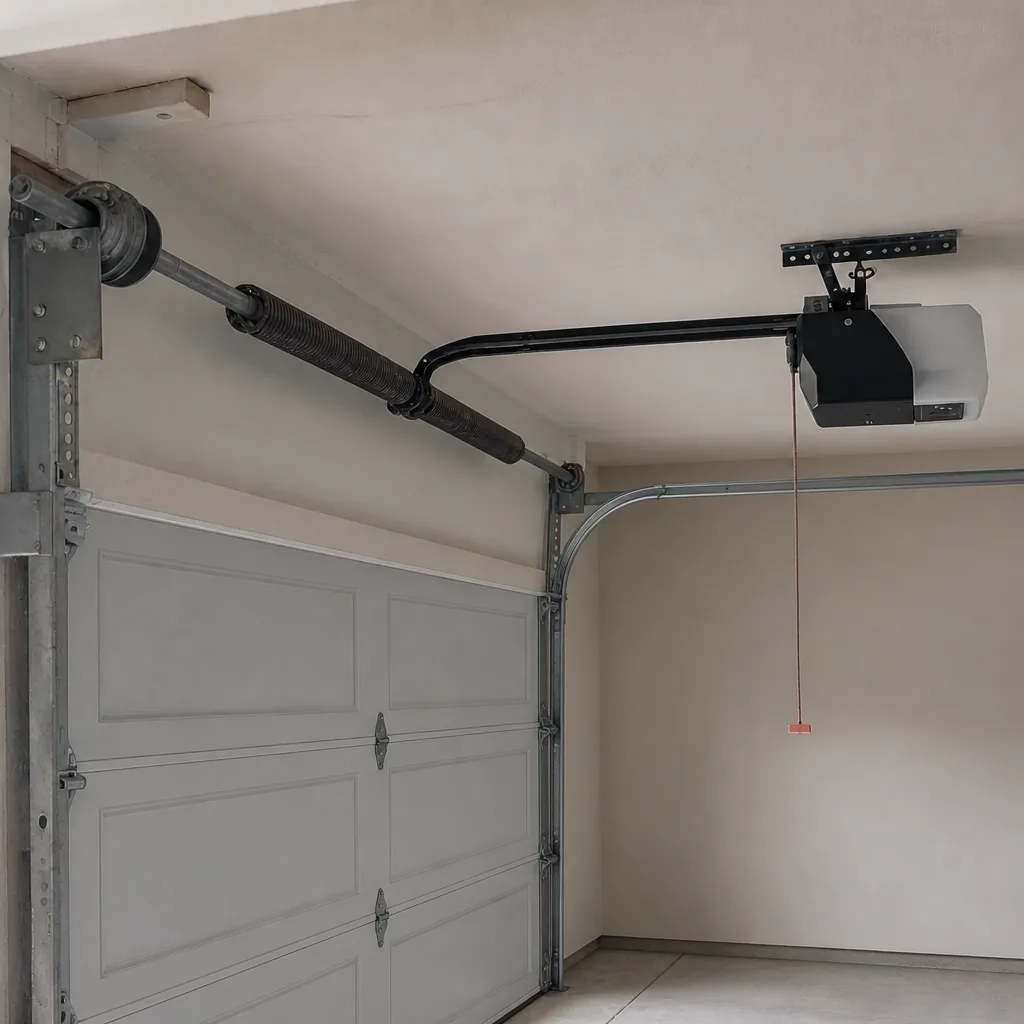 After
 Before
 After
 Before
 After
When to Call a Professional
Any repair that involves the torsion spring, the cables, or the bottom brackets is a professional job. These components are under high tension, and a failure during service work can be dangerous. If your door is off its tracks, won’t stay up, slams when closing, or makes a loud bang during operation, stop using it and call a technician. For guidance on handling urgent situations safely, see our Garage Door Emergency Preparedness Guide for Roseville Homes. The same applies to any electrical work on openers. Wright Garage Door Repair offers free estimates across Roseville – call (855) 362-1465 and we’ll tell you what’s wrong and what it costs before you commit to anything. No pressure, no upselling, just a clear diagnosis and a written price.
Frequently Asked Questions
In Roseville, a single torsion spring replacement typically runs $180 to $280, and a double spring runs $280 to $420. The final price depends on the spring’s wire gauge, inside diameter, and cycle rating, which vary by door brand and model. Call (855) 362-1465 for an exact quote – estimates are free.
A builder-grade steel door in Roseville’s heat typically lasts 15 to 20 years, but its components fail on shorter timelines: the weatherseal at 5 to 7 years, the torsion springs at 10 to 14 years, and the cables and drums somewhere in between. A well-maintained step-up door with premium springs can push 25 to 30 years.
No. Westpark, Sun City, and Fiddyment Farm all maintain architectural guidelines that restrict panel style, color, and sometimes materials. A like-for-like replacement usually needs no approval, but changing the panel profile or color typically requires filing for architectural review. Check with your association before ordering.
If your opener is over 12 years old, yes – replacing both at once saves a second service call and discounted labor. If the opener is under eight years old and working well, keep it. A new door reduces the load on the opener and actually extends its remaining life. If you’re unsure, call (855) 362-1465 and we’ll assess both systems during the estimate.
The most common cause is a broken torsion spring or a failed cable, which unbalances the door and pulls it off the track when the opener tries to lift it. This is a significant structural failure, not a track adjustment problem. Stop using the door immediately and call a professional – continuing to cycle it will bend the track and damage the panels.
Pricing is nearly identical across the greater Sacramento area. Roseville’s costs are driven by the same parts market, labor rates, and service distances as neighboring Sacramento and Folsom. The variable that matters more than location is your door’s brand and age – a 20-year-old Raynor in Sun City may cost more to repair than a 10-year-old Clopay in Fiddyment Farm because parts availability differs.
The Bottom Line
Your Roseville garage door is not a mystery. It’s a manufactured product with identifiable components, predictable failure points, and a finite service life. If your home was built between 1995 and 2015, your door is either in its failure window or heading toward it. The weatherseal will go first, the springs will follow, and the cables and drums won’t be far behind. Knowing your door’s brand – whether it’s a Clopay, Amarr, Wayne Dalton, or Raynor – tells you which parts to expect and when. For more guides & resources on maintaining, repairing, or replacing your door, explore our blog. And knowing whether to repair or replace comes down to age, repair history, and panel condition, not guesswork.
If you have a garage door problem in Roseville, start with a diagnosis. Wright Garage Door Repair services eight major door and opener brands, which means the technician who arrives already knows the common failure points on your specific system. One call covers the door, the opener, or a full installation. Call (855) 362-1465 for a free estimate and a written price before any work begins.
Written by the team at Wright Garage Door Repair, serving Roseville since 2017.