
Last updated October 30, 2026
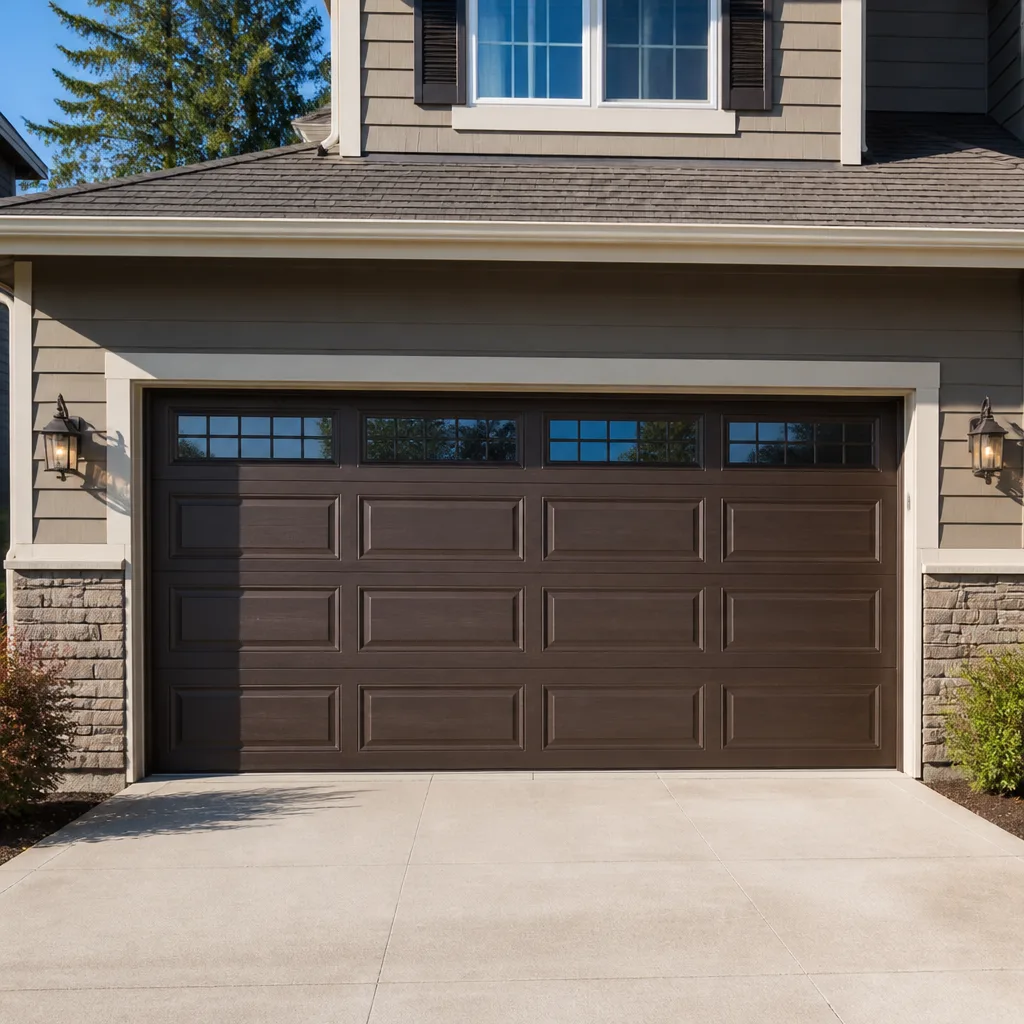 Raised-panel steel
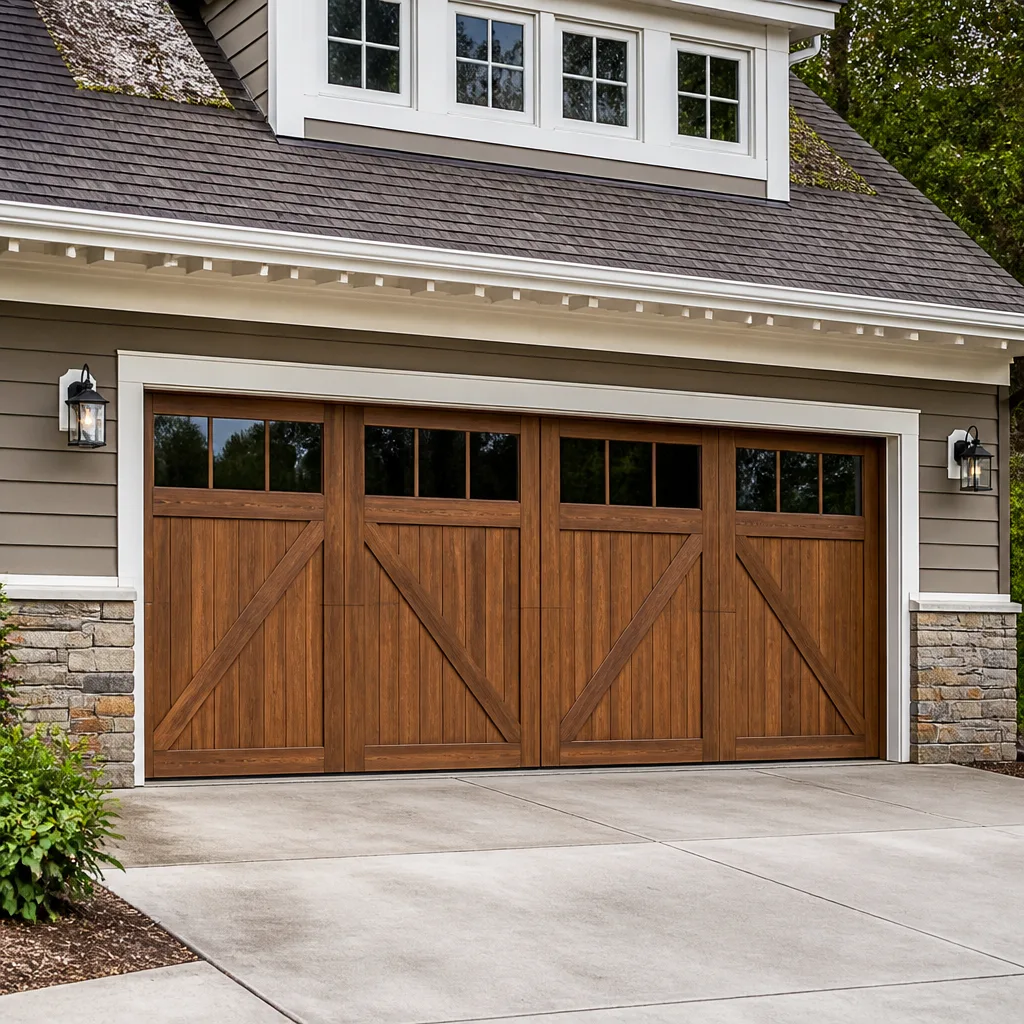 Carriage house
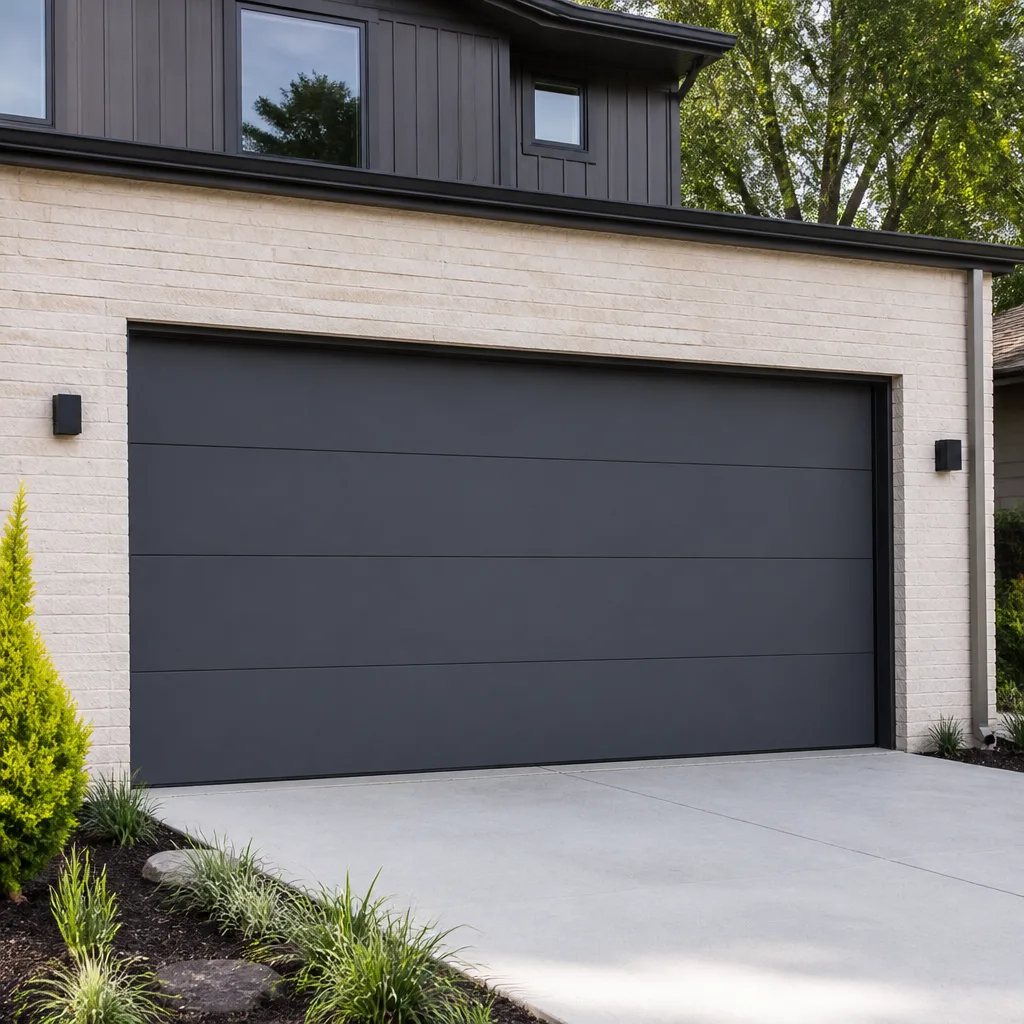 Modern flush
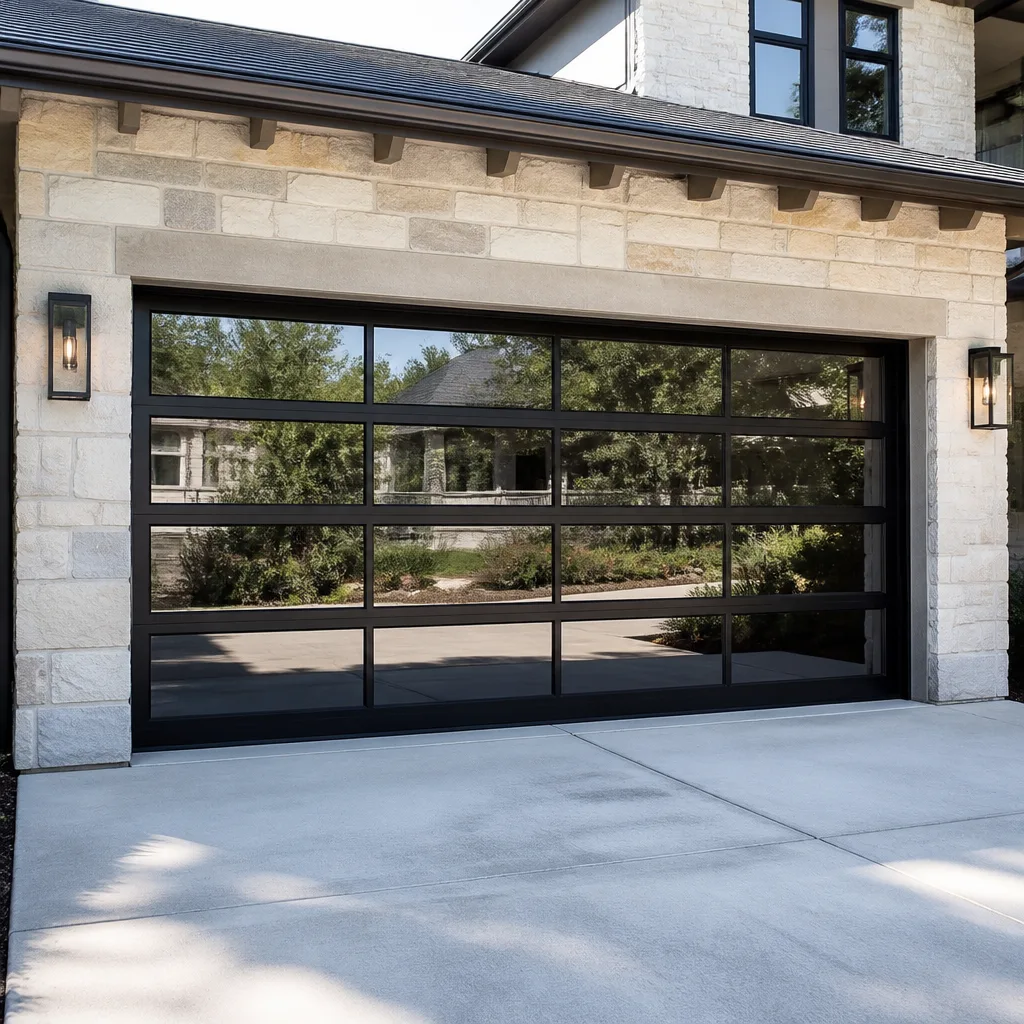 Full-view glass
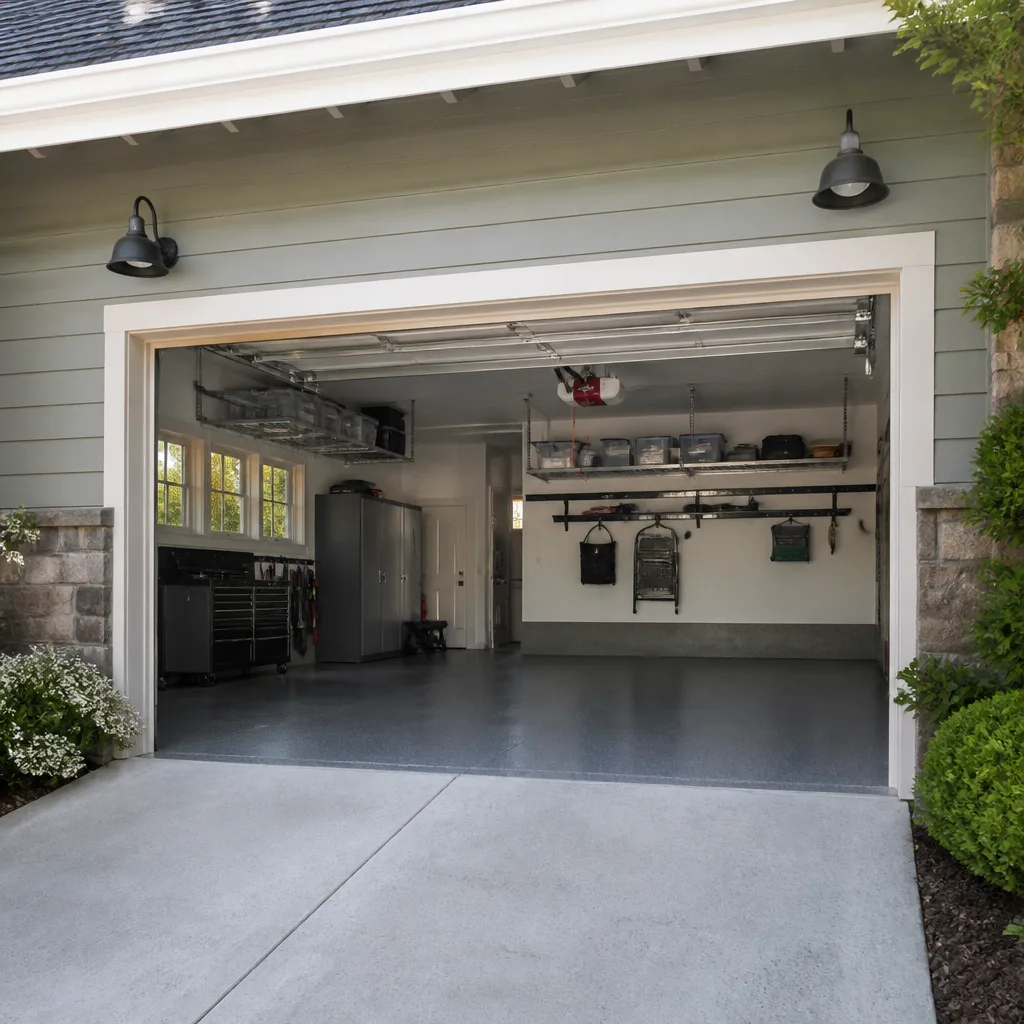 LiftMaster openers
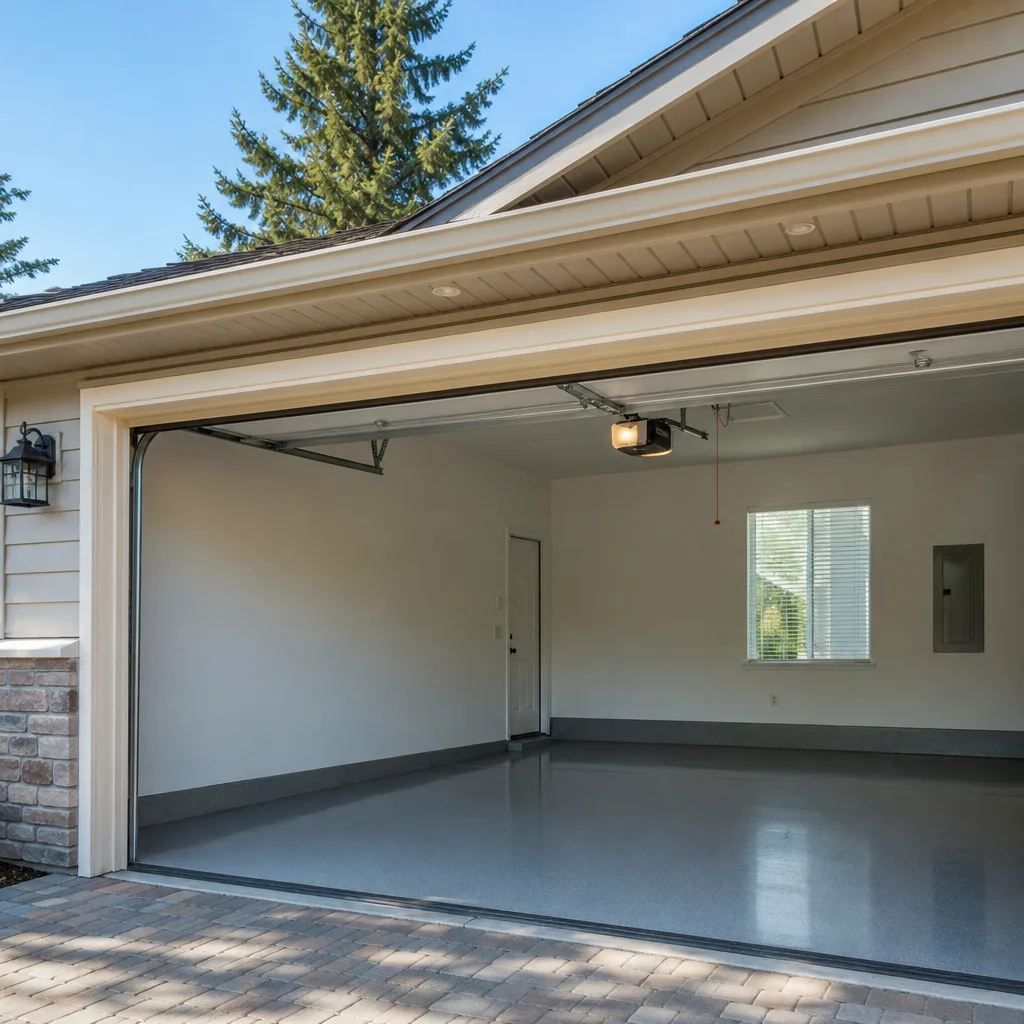 Chamberlain openers
Full 25-point door and opener safety check with every visit - springs, cables, rollers, tracks, and your LiftMaster or Chamberlain opener included
You get a price before we start. It does not change when the truck arrives.
Get your free estimateDIY vs Professional Garage Door: The Roseville Homeowner’s Decision Guide
Here’s a number most Roseville homeowners never think about: a standard residential torsion spring under full tension stores roughly 50 to 75 foot-pounds of rotational force. When that energy releases into a hand, forearm, or face, the result is a crush injury, fracture, or worse. Every year, the Consumer Product Safety Commission attributes thousands of garage door related emergency room visits to springs and cables. This guide draws a clear line between the five or six tasks you can safely handle with basic tools and the specific jobs where the consequence of a mistake is surgical, and you can explore more guides & resources for additional home maintenance help. By the end, you’ll know exactly which category your issue falls into, what each choice actually costs in the Roseville market, and when a second set of trained hands is the economical decision, not the expensive one.
Styles & brands we work with
- Raised-panel steel
- Carriage house
- Modern flush
- Full-view glass
- LiftMaster openers
- Chamberlain openers
Quick Answer
DIY is appropriate for weatherseal replacement, extension spring roller swaps, remote pairing, and safety sensor alignment. Professional service is non-negotiable for torsion spring replacement, cable drum work, structural header bracket repairs, and any job involving a LiftMaster, Chamberlain, or Genie opener still under warranty. The dividing line is not skill. It’s stored mechanical energy. If the part you’re touching is under tension, you call a pro. In Roseville, that call typically costs $95 to $450 depending on the repair, with the high-tension work sitting at the lower end because it’s faster than it looks when you have the right tools and the brand knowledge to do it once. For a free estimate on any repair, replacement, or opener issue, call Wright Garage Door Repair at (855) 362-1465.
Table of Contents
- The Five Tasks That Are Genuinely DIY
- The Three Jobs You Never Touch Yourself
- The Real Cost Breakdown: DIY vs Pro in Roseville
- What Actually Voids a Garage Door Opener Warranty
- The Liability Landscape in California When Self-Repair Goes Wrong
- Roseville-Specific Factors: Heat, Springs, and Track Distortion
- Common Mistakes to Avoid
- When to Call a Professional
- Frequently Asked Questions
- The Bottom Line
The Five Tasks That Are Genuinely DIY
There’s a small, specific set of garage door maintenance jobs that a competent homeowner can handle with basic tools and zero tension-related risk. These tasks have one thing in common: no stored energy. If the part you’re replacing or adjusting is not a spring, cable, or structural bracket, the risk profile drops dramatically. Here’s the full list.
First, weatherseal replacement. The rubber strip along the bottom of your door gets brittle in Roseville’s dry summer heat and cracks within three to five years. Replacement involves pulling the old seal out of its aluminum retainer channel and sliding a new one in. You’ll need a hacksaw to trim the length, a flathead screwdriver, and about 20 minutes. Parts run $18 to $45 at a local hardware store. We’ve seen homeowners in the Highland Reserve and Sun City neighborhoods do this well. The key is checking that the new seal seats fully into the channel before you cut, because once it’s cut too short, you’re buying another piece.
Second, roller swaps on extension-spring doors. This one comes with a critical caveat. If your door runs on extension springs, those long springs that stretch along the horizontal track on either side, you can swap a worn roller yourself because the spring tension is contained by the safety cable running through its center. The roller simply slides out of the hinge with the door in the raised position. If your door uses a torsion spring, the coiled spring on the bar above the door opening, do not attempt this. The roller bracket on a torsion door is under constant tension, and the same part that looks identical takes on a very different risk profile.
Third, opener remote pairing. LiftMaster, Chamberlain, and Genie each have their own programming sequence, and none of them require opening the motor housing. For most models, the process involves pressing a learn button on the motor unit and then the button on the remote within 30 seconds. That’s it. If the remote still won’t pair, the issue is usually a dead capacitor on the remote’s logic board, not user error, and that’s a $35 to $70 replacement part rather than a programming problem.
Fourth, safety sensor alignment. The two photo eyes near the bottom of each track have small LED lights. When they’re misaligned or blocked, the opener refuses to close the door, which is exactly what those sensors were designed to do after a 1993 federal mandate. Loosen the wing nut holding one sensor, adjust until both LEDs are steady, retighten. This is a five-minute fix that requires no mechanical skill and no tools beyond a wrench. In Roseville’s dusty summers, the sensors also collect a fine layer of grime on the lens, and a clean microfiber cloth solves more “broken” sensors than any part replacement.
Fifth, lubrication of rollers, hinges, and track. Use a silicone or lithium-based spray, never WD-40, which is a solvent that strips the existing grease and accelerates wear. Apply to the roller bearings, hinge pivot points, and the torsion spring itself. Do not lubricate the track itself; that’s a common mistake that causes the rollers to slip and the door to shudder. For a deeper look at the broader repair scope, see our Garage Door Repair in Roseville page.
The Three Jobs You Never Touch Yourself
These are the jobs where the mechanical energy never sleeps. The spring, cable, or bracket is under load every second, including when the door is fully closed or fully open. The danger is not that you might slip. The danger is that the part itself is a loaded weapon, and your hand is in the path of the release.
One: torsion spring replacement. The torsion spring is the coiled spring mounted on a steel shaft directly above the closed door. Unlike extension springs that stretch, torsion springs wind. A typical residential door requires the spring to be wound 7 to 8 full turns to counterbalance the door’s weight, which for a 16-foot steel door is 180 to 220 pounds. The winding bars used to adjust the spring are half an inch in diameter and cost under $30 for a pair. Most DIY tutorials omit that a winding bar slipping out of the spring cone becomes a projectile moving fast enough to penetrate drywall. The mechanical release of a spring snapping interrupts a winding operation also removes fingers. The injury mechanism is not theoretical; hand surgeons see these cases routinely. If your garage door has a torsion spring and that spring is broken, leave the door closed, lock the opener, and call someone with the right training and equipment. This is the single most common repair in the Roseville market, and it’s also the one we most frequently see attempted and abandoned mid-repair, which leaves the door in a dangerously unbalanced state.
Two: cable drum and cable replacement. The lift cables that run vertical on each side of the door do not simply hang there. They’re wound onto a drum attached to the torsion shaft. Under full spring tension, the cable carries the entire lifting load when the opener runs. A frayed cable can snap with the sound of a rifle shot. Replacing it requires unwinding the torsion spring completely, swapping the cable, and rewinding the spring to the correct number of turns. The number of turns is not obvious; it depends on door height, drum size, and spring diameter. Getting it wrong leaves the door opening unevenly or snapping the new cable within weeks. This is mechanical work where the consequence of an error is not just a failed repair, it’s a door that can fall on a car or a person.
Three: structural header bracket work. The header bracket is the steel plate bolted into the wall above the door, carrying the entire spring assembly. When a door has been hit, or the bracket bolts have worked loose over years of vibration, the bracket itself becomes a load-bearing structural concern. Repair requires lags of the correct diameter into solid framing, not drywall anchors, and a door that’s been properly tensioned before the bracket takes the load. In Roseville, homes built in the 1990s and early 2000s during the city’s expansion along the Highway 65 corridor commonly have header brackets attached to the builder-grade LVL beam, and that beam’s ability to hold a new lag after pull-out is something only inspection tells you. Get this wrong, and the spring assembly comes off the wall. There is no DIY version of this repair.
If your issue involves the opener motor itself rather than the door hardware, you may also need garage door opener repair rather than door service.
The Real Cost Breakdown: DIY vs Pro in Roseville
Let’s look at actual numbers. The decision between DIY and professional service is not just about safety; it’s about whether you’re actually saving money once time, parts risk, and the cost of mistake correction are factored in. Here’s a line item breakdown for the most common jobs in the Roseville market, using pricing we see on service calls across the city from Westpark to Granite Bay border neighborhoods.
| Task | DIY Parts Cost | DIY Time | Professional Cost (Roseville) | Risk Level |
|---|---|---|---|---|
| Weatherseal replacement | $18 – $45 | 30 – 45 min | $85 – $120 | Low |
| Remote pairing / programming | $0 – $15 (battery) | 10 min | $65 – $95 service call | None |
| Safety sensor alignment | $0 | 10 min | $65 – $85 | Low |
| Roller replacement (torsion door) | $20 – $40 parts | 45 min + risk | $120 – $180 | High if DIY |
| Torsion spring replacement | $60 – $120 | 2 hours + equipment | $195 – $320 | Severe if DIY |
| Cable replacement | $25 – $50 | 1.5 hours + risk | $180 – $280 | Severe if DIY |
| Header bracket repair | $15 – $40 (parts only) | Unknown | $250 – $450+ | Structural |
Look at the roller replacement line. A set of nylon rollers runs $20 to $40 at any hardware store. The professional visit in Roseville runs $120 to $180. The $100 spread is not the labor for 45 minutes of work; it’s the insurance that the correct roller diameter was matched to the hinge, the door was balanced after installation, and zero risk was taken with the torsion assembly. For a homeowner with a torque wrench and experience disassembling mechanical equipment, that $100 might feel like a premium. For everyone else, it’s the difference between a quiet door and a spring that’s now off-balance because the door weight changed by two pounds and the spring wasn’t re-tensioned.
Now look at torsion spring replacement. DIY parts cost $60 to $120. Professional cost in Roseville is $195 to $320, and that includes the spring, labor, and re-balancing. The savings from DIY, $130 to $200, is the exact price a homeowner pays for a lesson in what “stored rotational energy” means. Not every professional repair is priced this rationally, but torsion springs are one area where the market price exists precisely because of the risk the professional assumes.
One more number: the professional re-do. When a homeowner completes a DIY repair that doesn’t hold, we don’t just fix the original issue. We fix the original issue plus any damage created by the attempted repair. That second category costs more than the first call would have. We see this most often with tension jobs and cable work.
If your door needs replacement rather than repair, the numbers are entirely different, and our Garage Door Installation in Roseville page covers the full scope.
What Actually Voids a Garage Door Opener Warranty
The phrase “voids the warranty” gets thrown around so casually that it’s lost all meaning. Let’s be specific about what the major opener brands actually do when they discover an unauthorized repair.
Chamberlain and LiftMaster, which are the same parent company, write their warranty exclusions narrowly. The warranty covers defects in materials and workmanship under normal use. It does not cover damage caused by improper installation, unauthorized modification, or service performed by anyone other than an authorized Chamberlain or LiftMaster dealer. That last phrase is the operative one. If you open the motor housing and replace a logic board yourself, and the replacement board fails, the brand can deny the claim. If you perform the repair correctly and the failure is unrelated, the warranty remains intact. In practice, the brands use the serial number to check whether a warranty claim aligns with the service history. A homeowner who opens the housing and breaks a ribbon cable during a DIY logic board swap will have that claim denied. A homeowner who replaces a remote battery and then has the motor fail six months later will have that claim approved.
Genie’s language is similar, with one practical distinction: Genie explicitly excludes “damage resulting from failure to follow the owner’s manual instructions.” That’s broader than Chamberlain’s language, and it means that even opening the motor cover for any reason other than what the manual specifies can create a coverage argument. In our experience, the motor housing is the line. Anything you do outside the housing, remotes, keypads, sensors, wiring to the wall button, is low-risk for warranty purposes. Anything inside the housing, the logic board, the capacitor, the drive gear, the motor itself, is the danger zone.
For a Roseville homeowner with a newer LiftMaster or Genie opener still under its 5 to 10 year motor warranty, the economic calculation changes. A DIY repair that saves $80 but torpedoes a motor warranty worth $250 to $400 in replacement cost is not a money saving move. We see this exact math in newer subdivisions like West Roseville, where the homes and the openers are both under a decade old and still inside their warranty windows. For those homeowners, the answer to “should I try this myself?” is no, not because you can’t, but because the warranty is still worth more than the repair.
The Liability Landscape in California When Self-Repair Goes Wrong
This is the question almost no DIY guide addresses, and it matters more in California than in most states, so review our Garage Door Emergency Preparedness Guide for Roseville Homes before starting any project. The scenario: you’re replacing a torsion spring in your Roseville garage. A neighbor stops by to help. The spring releases, the winding bar hits your neighbor in the hand, and he needs surgery. Who pays?
In California, your homeowner’s insurance covers medical payments to others under the “med pay” provision, typically $1,000 to $5,000 regardless of fault. But once the medical bills exceed that threshold, the question becomes liability. California is a pure comparative negligence state, meaning fault is allocated by percentage. If a court or insurance adjuster determines that your decision to attempt a tension repair without professional training created the dangerous condition, you bear responsibility for the percentage of damages assigned to you. That’s a civil liability exposure that does not exist when a licensed, insured contractor performs the work, because the contractor carries workers’ compensation coverage for their own employees and general liability insurance for third-party injuries.
The second California-specific factor is workers’ comp. If you hire an unlicensed handyman off Craigslist to replace a torsion spring and he injures himself on your property, California law imposes a legal presumption that the injury occurred in the course of employment. You, as the homeowner, had no workers’ comp policy. The handyman sues you under California Labor Code, and your homeowner’s policy may or may not cover the claim depending on the “business pursuits” exclusion. This is not a small exposure; it’s the single most common way Roseville homeowners end up in small claims court over garage door work.
This is not an argument that DIY is always irresponsible. It’s an argument that the DIY decision should include the liability dimension, which almost all YouTube tutorials omit. The professional’s insurance and bonding is not a marketing line; it’s the risk transfer that makes a $250 spring replacement cheaper than a $25,000 uninsured liability claim.
Roseville-Specific Factors: Heat, Springs, and Track Distortion
Roseville’s climate does two specific things to garage doors that homeowners in milder climates don’t face. Understanding both helps you diagnose whether you have a DIY-appropriate issue or a structural problem.
The heat cycle problem. Roseville summers routinely hit triple digits, and a west-facing garage in neighborhoods like Fiddyment Farm or Stoneridge can reach 130 degrees Fahrenheit inside. That heat does not damage the springs directly, but it accelerates the breakdown of the synthetic lubricants inside the spring coils. A torsion spring that’s properly maintained lasts 10,000 to 15,000 cycles, which for a door opened four times daily is 7 to 10 years. In Roseville, that same spring ages faster because the internal lubricant breaks down faster, and the metal expands and contracts through wider daily temperature swings. The practical result: we see torsion spring failures in Roseville at the six to eight year mark more frequently than the national average. If your door is approaching that age and makes a loud bang one morning, that’s the spring, not a sound to investigate with the door open.
Track distortion on south and west facing doors. Steel track and aluminum door panels expand in high heat. If the door was installed tight against the track with no thermal clearance, the expansion can bow the track outward slightly. The symptom is a door that runs fine in the morning but binds or squeals in the late afternoon. This is not a repair issue in the traditional sense; it’s a clearance issue, and it’s one that a professional can identify and fix in 20 minutes by adjusting the track spacing. A homeowner trying to fix this with a pry bar or shims usually makes the bind worse, turning a $75 service call into a track replacement.
Roseville’s specific garage door issues are also a product of the housing stock. The city’s growth in the 1990s and 2000s produced thousands of homes with builder-grade doors and openers installed at scale. Many of those original doors are now 25 to 30 years old, and they’re reaching the end of their service life. For those doors, the DIY question is often not “should I fix this spring?” but “is this door worth repairing at all?” We answer that question honestly for homeowners across Roseville, and it’s one of the reasons we recommend starting with a diagnostic call rather than a parts order.
For the broader picture on repair scope and pricing in the city, start with our Wright Garage Door Repair home page or the Garage Door Repair in Roseville guide.
Common Mistakes to Avoid
- Assuming all springs are the same. Torsion springs and extension springs are different mechanisms with different risk profiles. A tutorial that shows a roller swap on an extension spring door does not apply to your torsion spring door, even if the roller looks identical. Roseville homes built after 2000 are predominantly torsion spring systems.
- Using WD-40 as garage door lubricant. WD-40 is a solvent, not a lubricant. It strips the existing grease from rollers and hinges, which accelerates wear and creates the exact grinding sound you were trying to fix. Use white lithium or silicone spray on the moving parts, not the track.
- Buying parts before diagnosing. We regularly arrive at Roseville homes where a homeowner has already purchased a new opener motor, new springs, or new rollers based on a symptom search. The actual problem is a $5 hinge or a misaligned sensor. Diagnose first, buy second. A professional diagnostic call is cheaper than the wrong part, especially for opener issues that involve electrical diagnostics.
- Adjusting the spring tension “just a little.” There is no small adjustment on a torsion spring. Each quarter turn changes the lifting force measurably. A homeowner who tightens the spring half a turn to “help” a sluggish door has now created an over-tensioned door that will slam open and creep closed. The correct response is re-balancing the door, which requires unwinding and rewinding the spring, not fine tuning.
- Ignoring a frayed cable because “it still works.” A cable with visible fraying is weeks from snapping. Unlike a spring, which fails with a loud bang when the door is closed, a cable can fail while the door is in motion, dropping one side of a 200 pound door onto whatever is beneath it. This is the one repair where the “wait until it breaks” strategy is genuinely dangerous.
- Replacing a door panel as a weekend project. Individual panel replacement requires matching the panel to the exact door model, and discontinued models are common in Roseville’s older housing stock. A mismatched panel throws off the door’s weight balance, which then stresses the springs and opener. This is a case where the professional parts source access, not the installation difficulty, is the deciding factor.
When to Call a Professional
Call a professional when the part you need to touch is a spring, cable, or structural bracket, or when permits, codes & inspections in CA may apply to the work. Call a professional when your opener is still under warranty and the issue involves anything inside the motor housing. Call a professional when you’ve already attempted a repair and the door is now behaving worse than before, because the correction cost increases the longer the door runs out of balance. Call a professional when the door makes a sound you can’t identify, because that sound is diagnostic information, and guessing wrong on a tension system is expensive. Wright Garage Door Repair offers free estimates in Roseville. We work on LiftMaster, Chamberlain, Genie, Clopay, Amarr, Wayne Dalton, Craftsman, and Raynor systems, and we arrive already knowing the brand on your door. Call (855) 362-1465 and we’ll tell you honestly whether you have a DIY job or a hands-off job, even if the answer is that you don’t need us at all.
Frequently Asked Questions
Torsion spring replacement in Roseville typically runs $195 to $320 for a professional service call, including the spring and labor to re-balance the door. Extension spring replacement is less expensive, typically $150 to $220, because the tension is managed differently and the parts cost is lower. The exact price depends on door weight, spring size, and whether one or both springs are replaced. Call (855) 362-1465 for an exact quote on your specific door, estimates are free and the price is agreed before any work starts.
You can physically attempt it, and the parts are available for $60 to $120 at hardware stores, but the risk of serious hand, arm, or facial injury is high enough that we recommend against it for torsion springs specifically. The winding bars used to adjust torsion springs are under enough force to become projectiles if they slip. A professional completes this repair in 45 to 60 minutes with the right tools and experience.
For LiftMaster, Chamberlain, and Genie openers, the warranty can be voided if you open the motor housing and perform unauthorized repairs inside. Repairs outside the housing, like remote pairing, sensor alignment, or wall button replacement, do not void the warranty. If your opener is still under warranty and the problem involves the motor, logic board, or drive gear, a professional repair preserves the warranty coverage.
Weatherseal replacement, roller swaps on extension spring doors, opener remote programming, photo eye alignment, and lubrication of rollers and hinges are all safe DIY tasks with no stored mechanical energy. Everything involving torsion springs, lift cables, cable drums, or the structural header bracket should be left to a professional.
In Roseville’s heat, a typical torsion spring lasts six to eight years rather than the seven to ten year national average. The dry heat breaks down internal lubricants faster and the wider daily temperature swings accelerate metal fatigue. If your door is in that age range and you notice uneven lifting, louder operation, or visible separation in the spring coil, replacement is approaching.
Yes, most common repair parts including torsion springs in standard sizes, cables, rollers, hinges, brackets, and a range of opener parts are carried on the truck for same-visit completion. For less common parts or specific opener logic boards, we source from our supplier network and return within a day or two. The diagnostic visit tells us exactly what’s needed, so there’s no back and forth.
No. We quote the repair price before any work begins, based on the diagnostic inspection of your specific door and opener. The price you agree to is the price you pay. If additional issues are found during the repair that were not visible at the diagnostic stage, we stop and explain the additional scope and its cost before continuing. Call (855) 362-1465 for a free estimate on your Roseville garage door.
The Bottom Line
The DIY versus professional decision for garage doors comes down to stored energy. The five or six safe DIY tasks on this list have one thing in common: no spring tension, no cable tension, no structural load. Everything else is a professional’s job, not because the homeowner lacks the intelligence to learn, but because the consequence of a mistake is a hand injury, a falling door, or a voided warranty. In Roseville, the heat ages springs faster, the housing stock is hitting replacement age, and the cost of a professional repair is rational compared to the risk of a DIY attempt on tension components. For free estimates on any garage door repair, opener repair, or installation, call Wright Garage Door Repair at (855) 362-1465.
Written by the team at Wright Garage Door Repair, serving Roseville since 2017.
See the difference
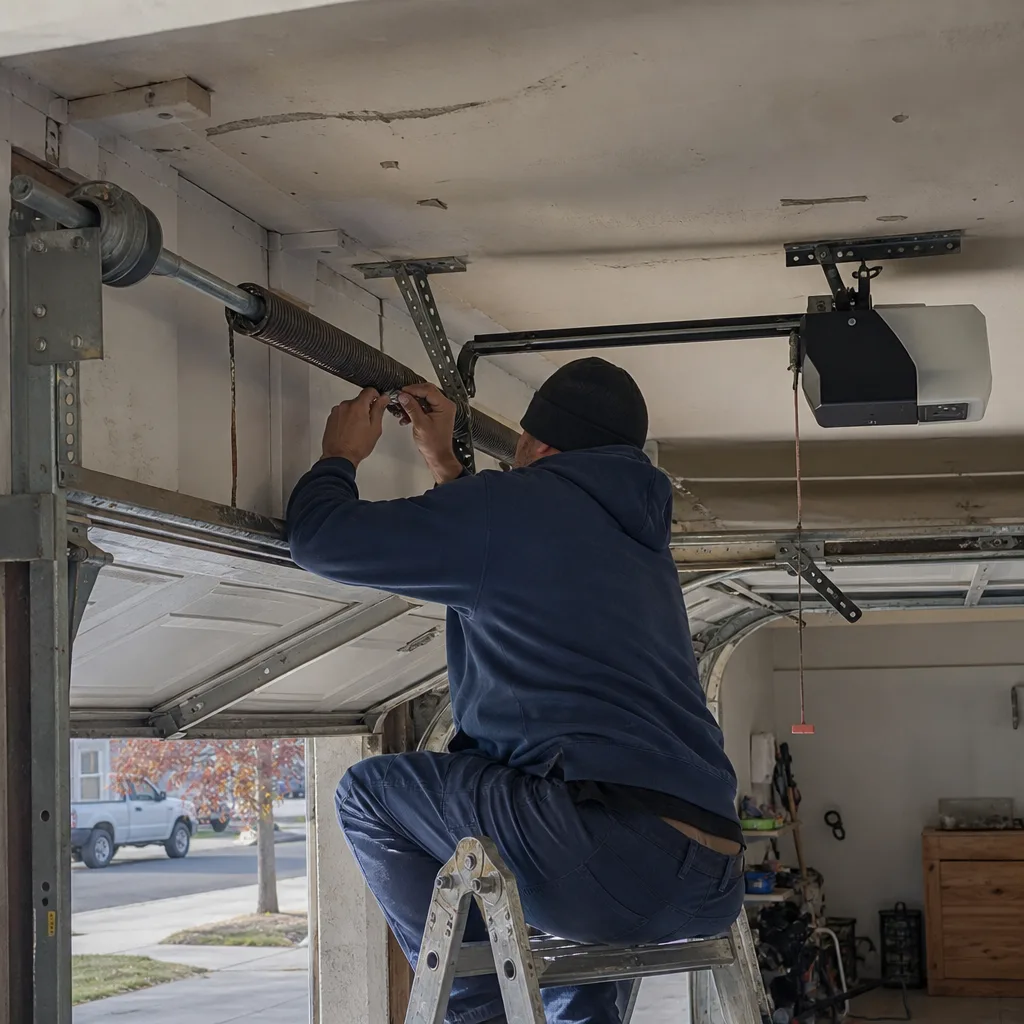 Before
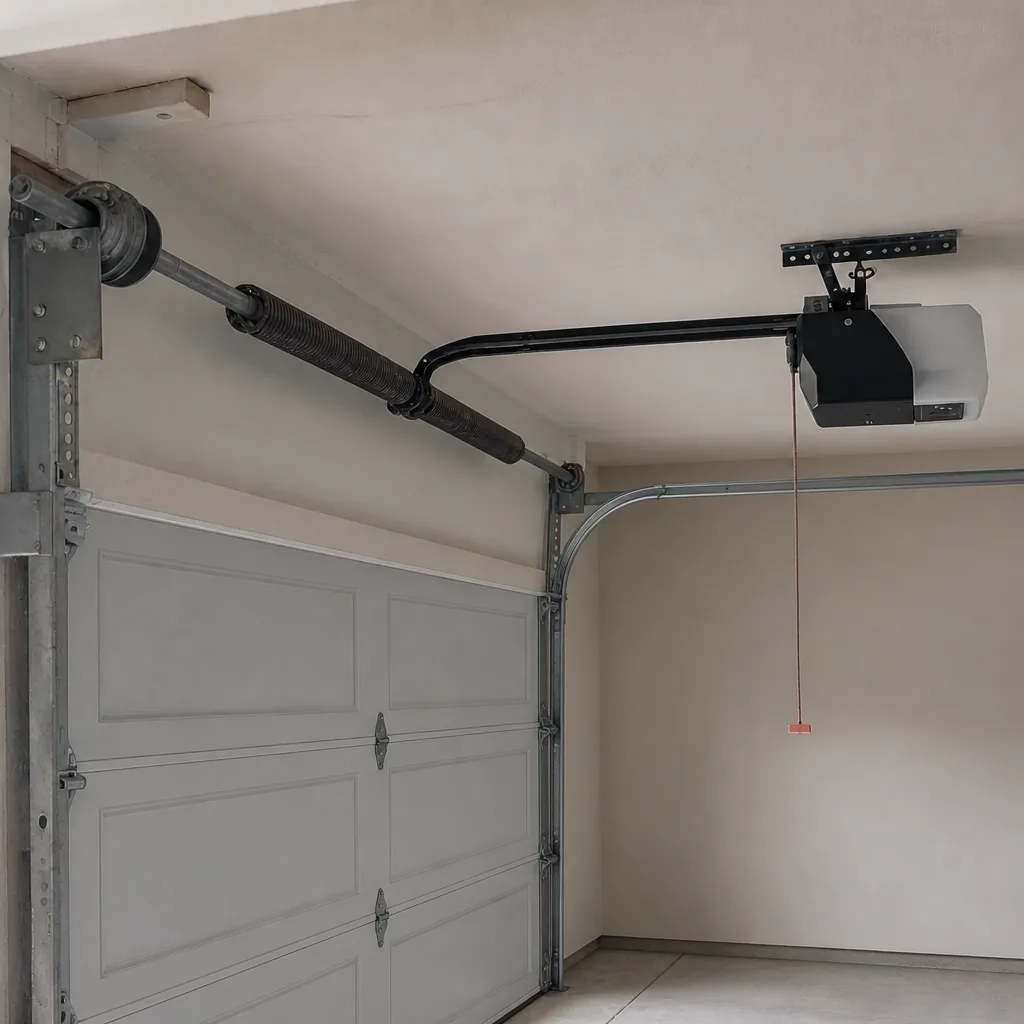 After
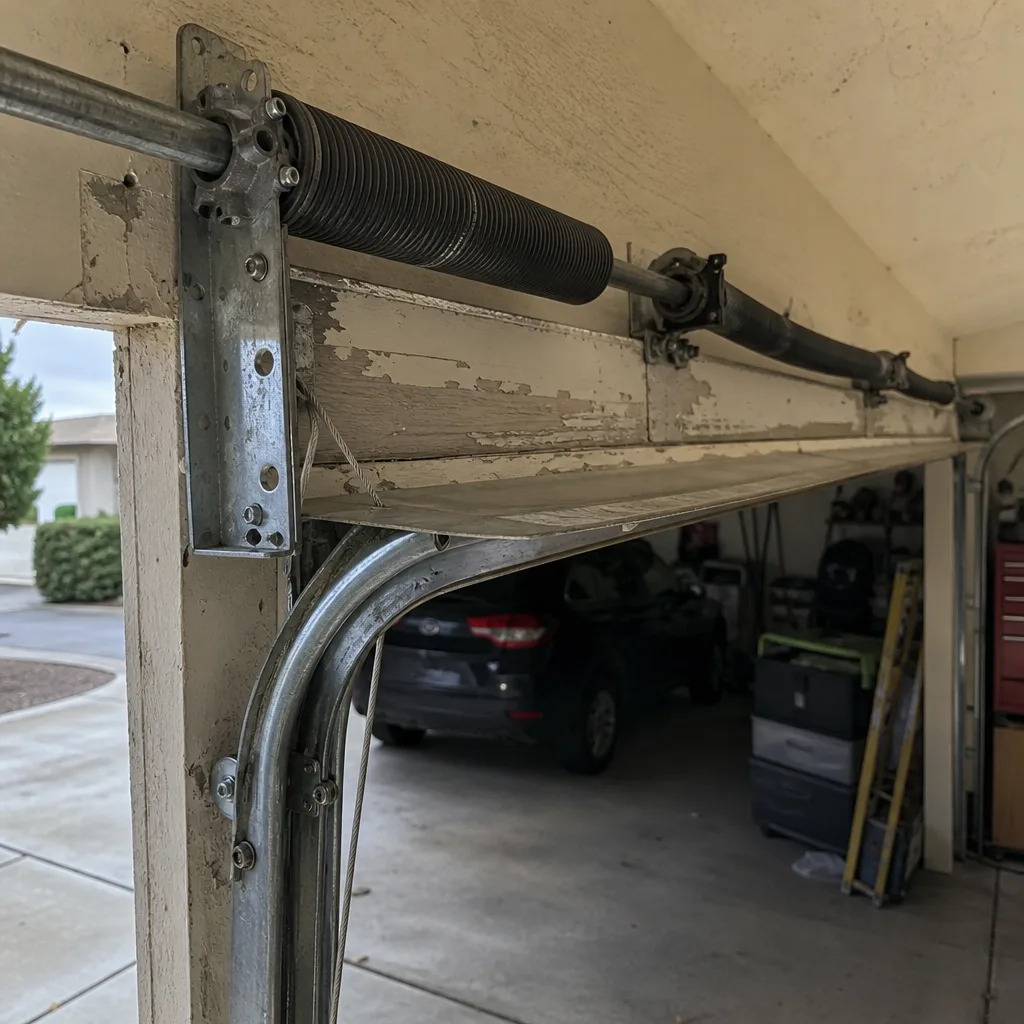 Before
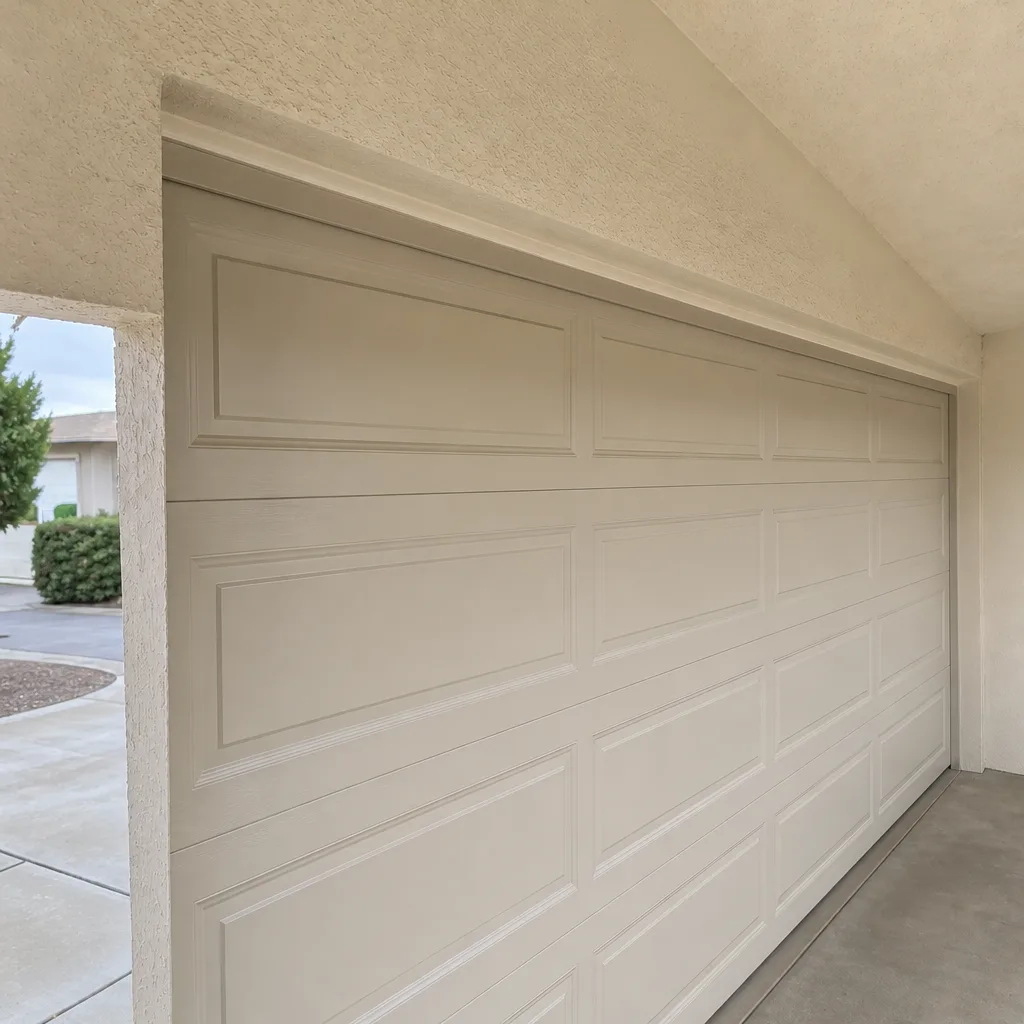 After
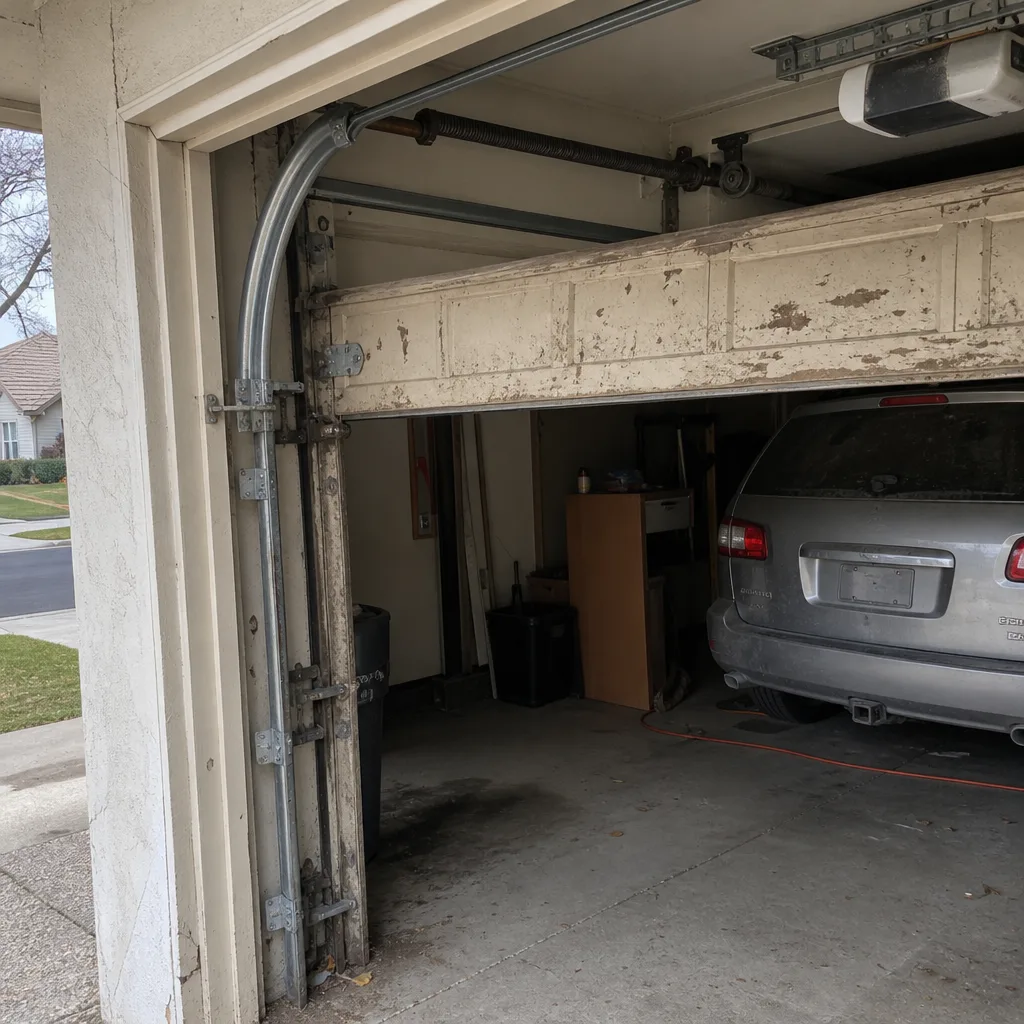 Before
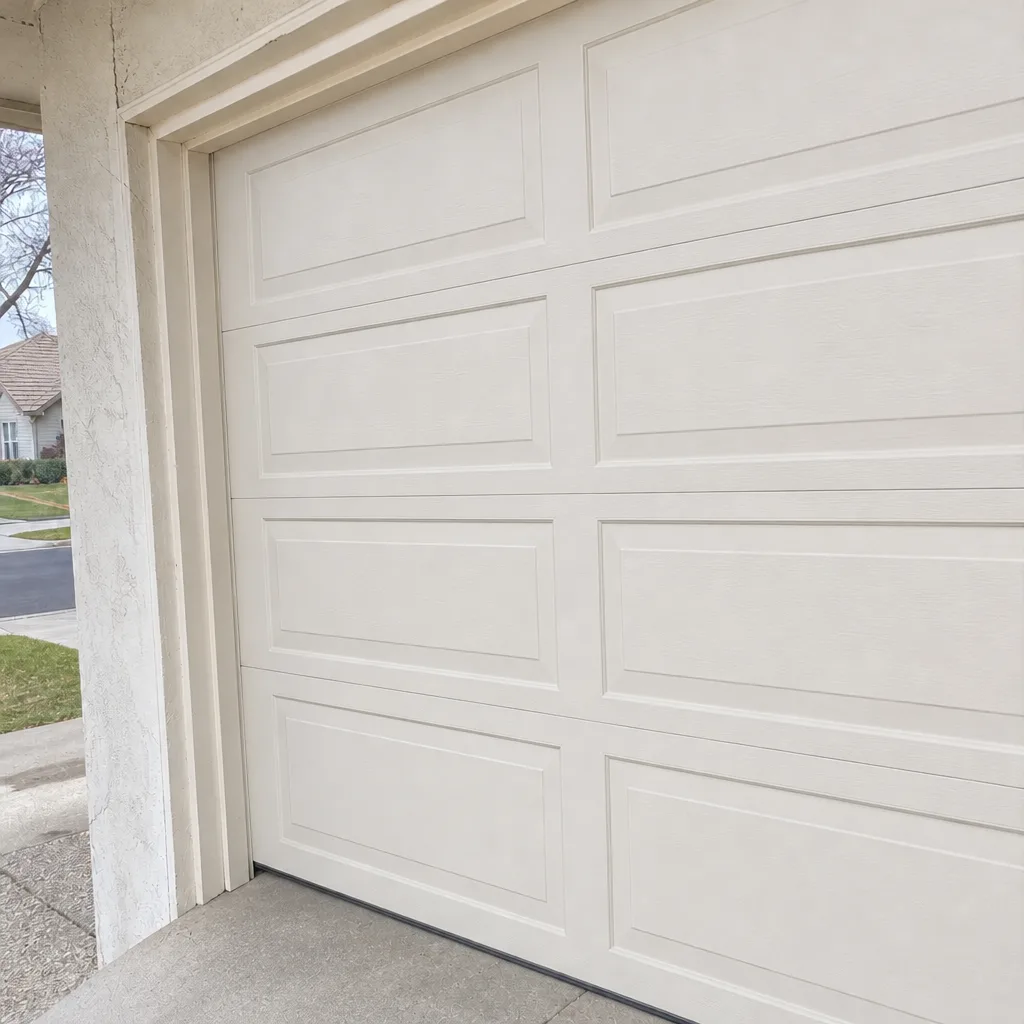 After