
Last updated October 30, 2026
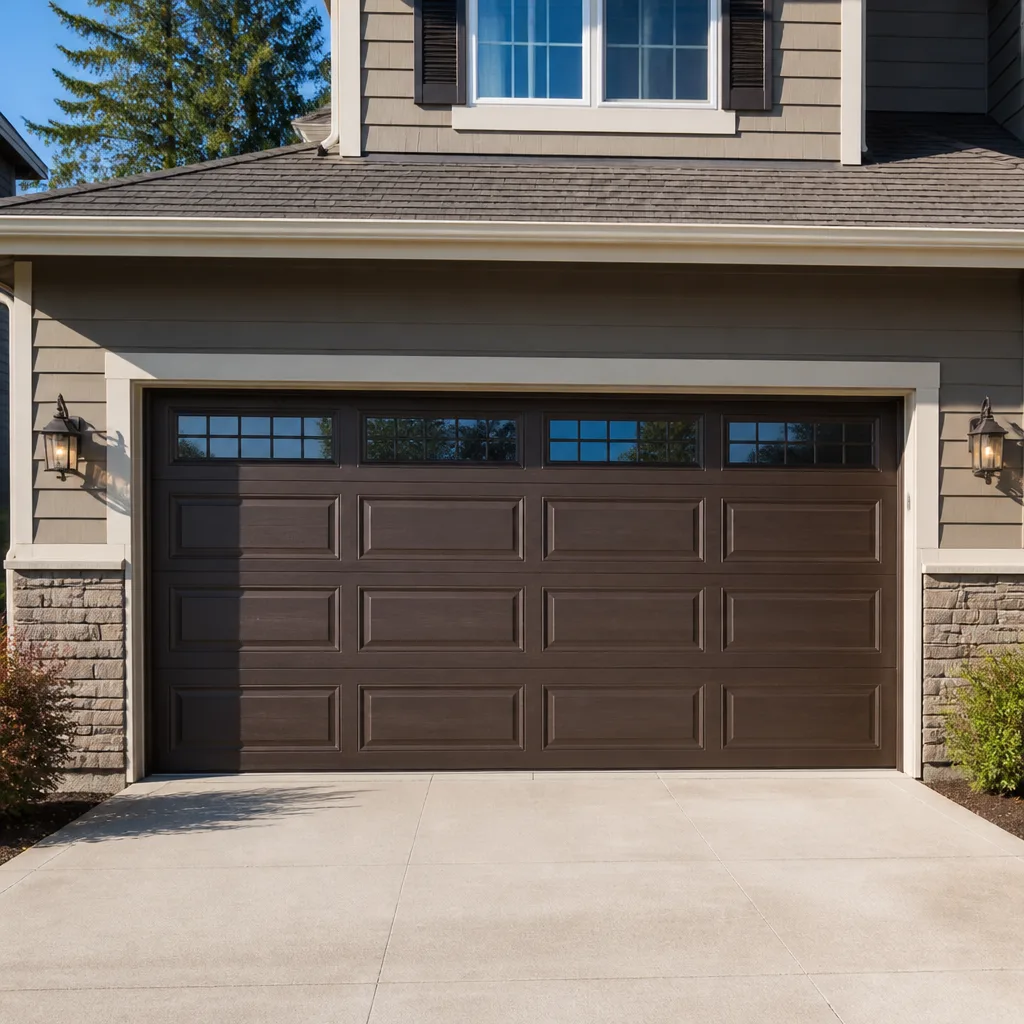 Raised-panel steel
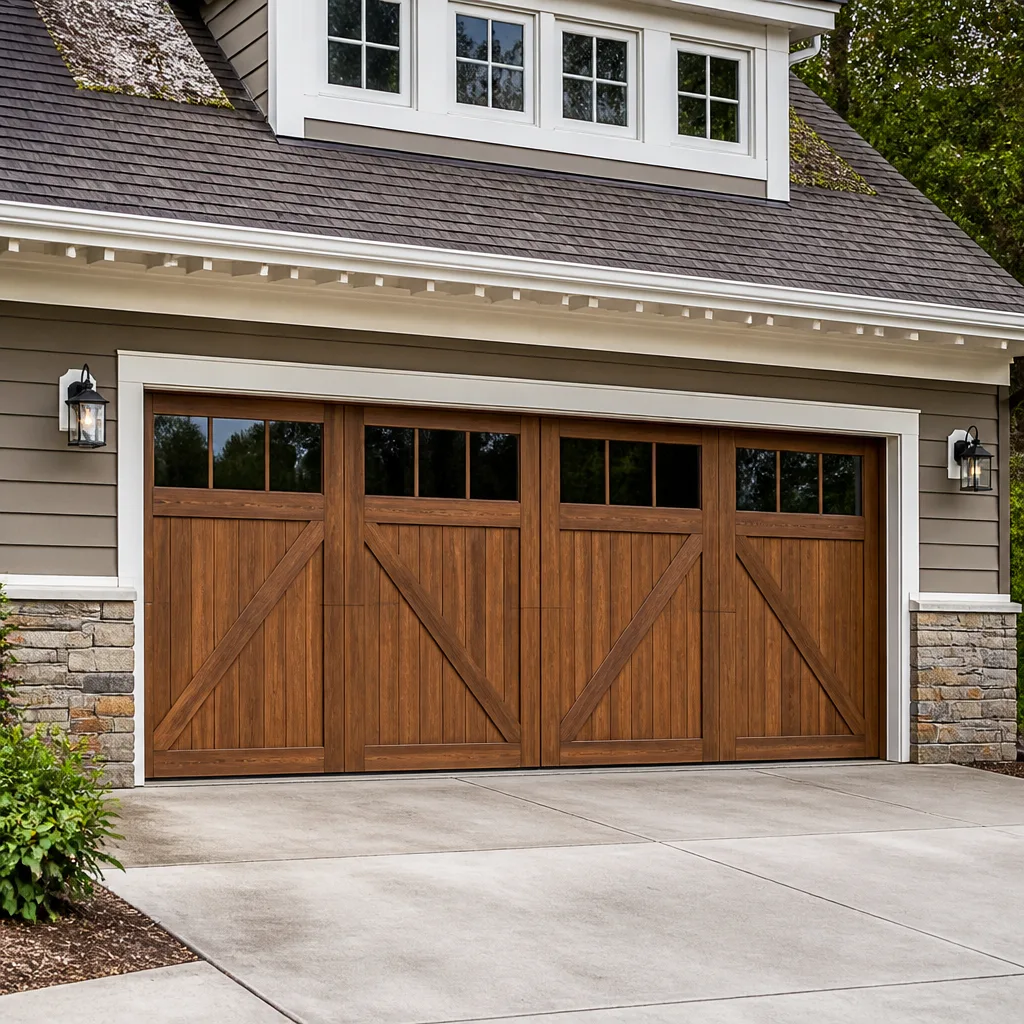 Carriage house
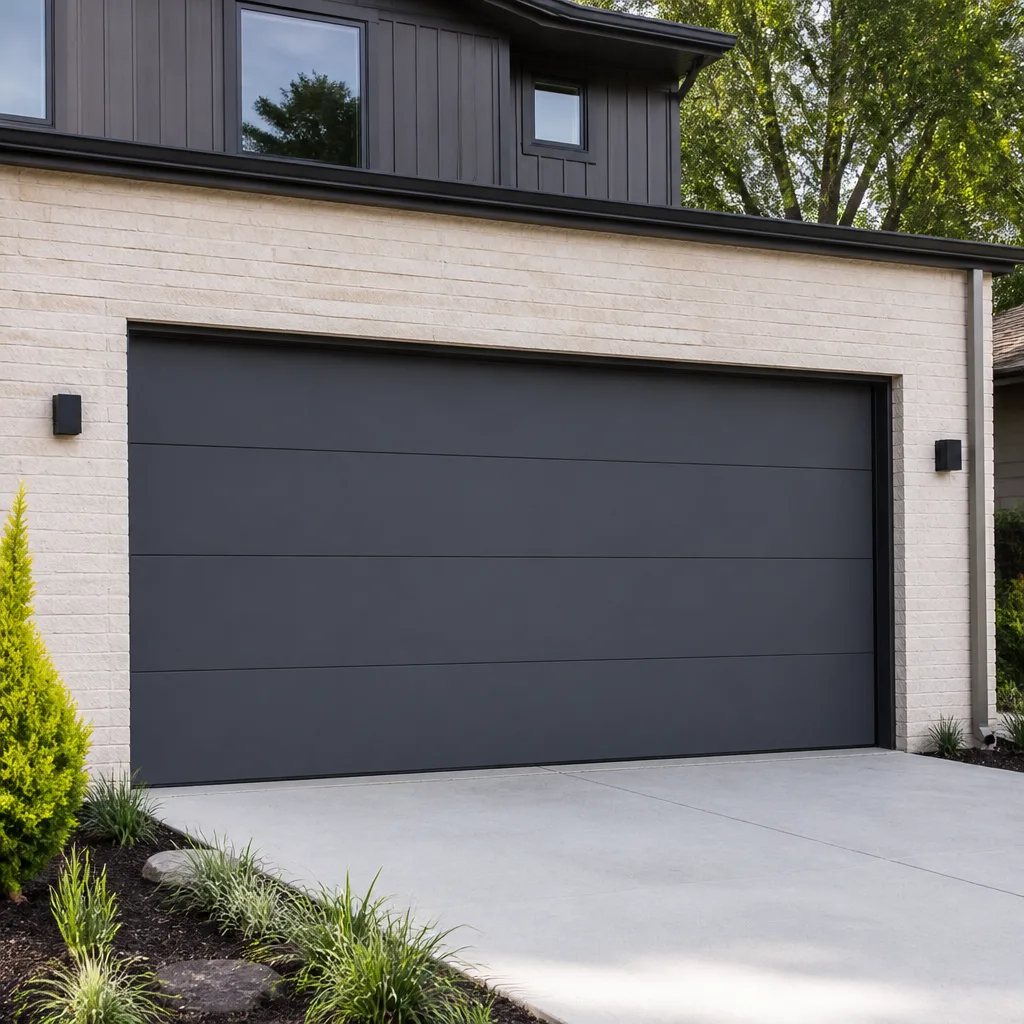 Modern flush
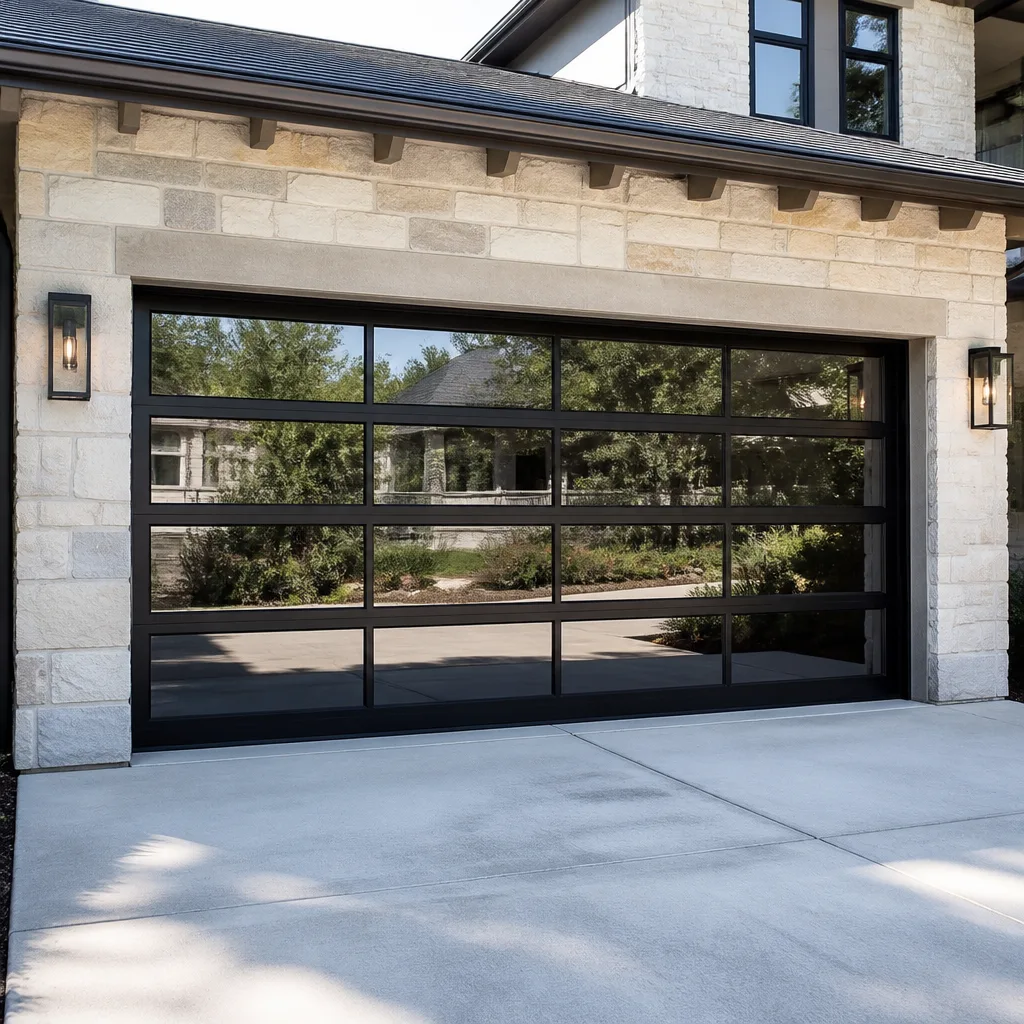 Full-view glass
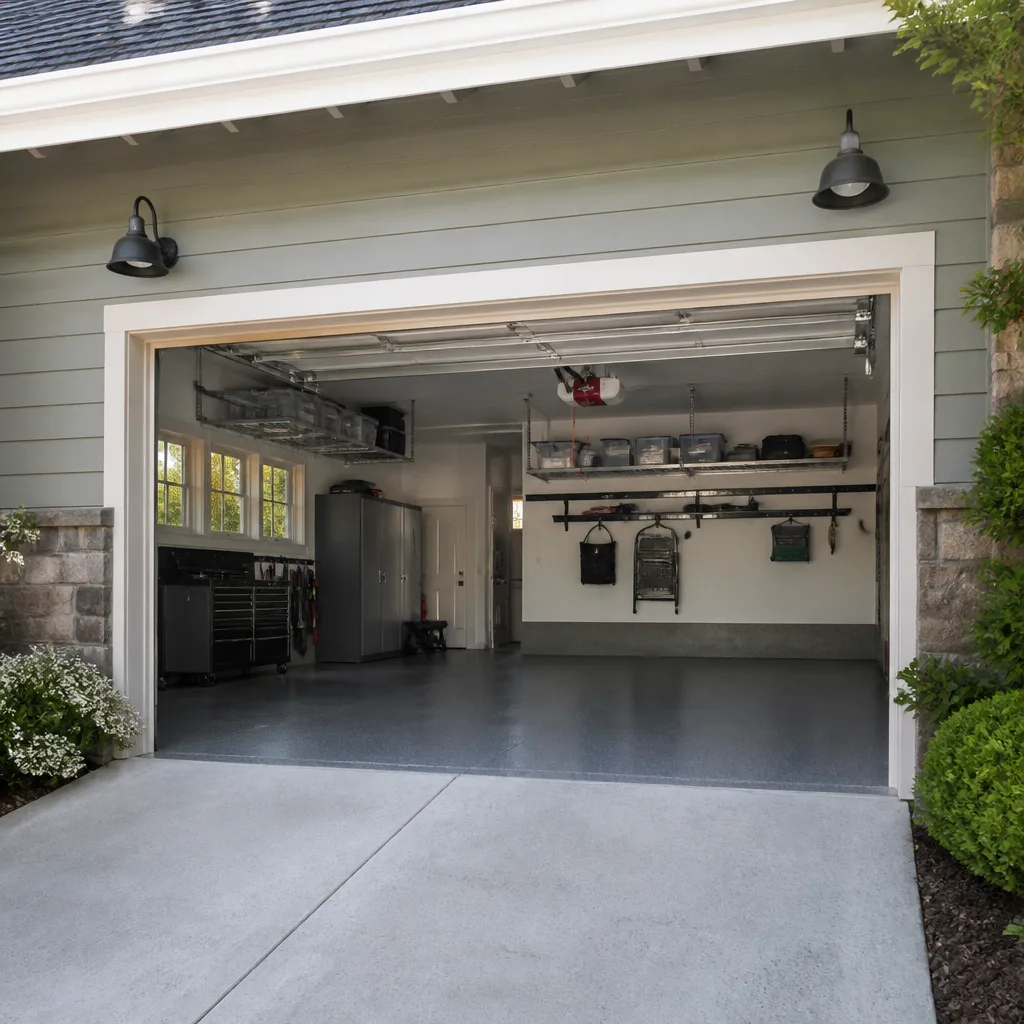 LiftMaster openers
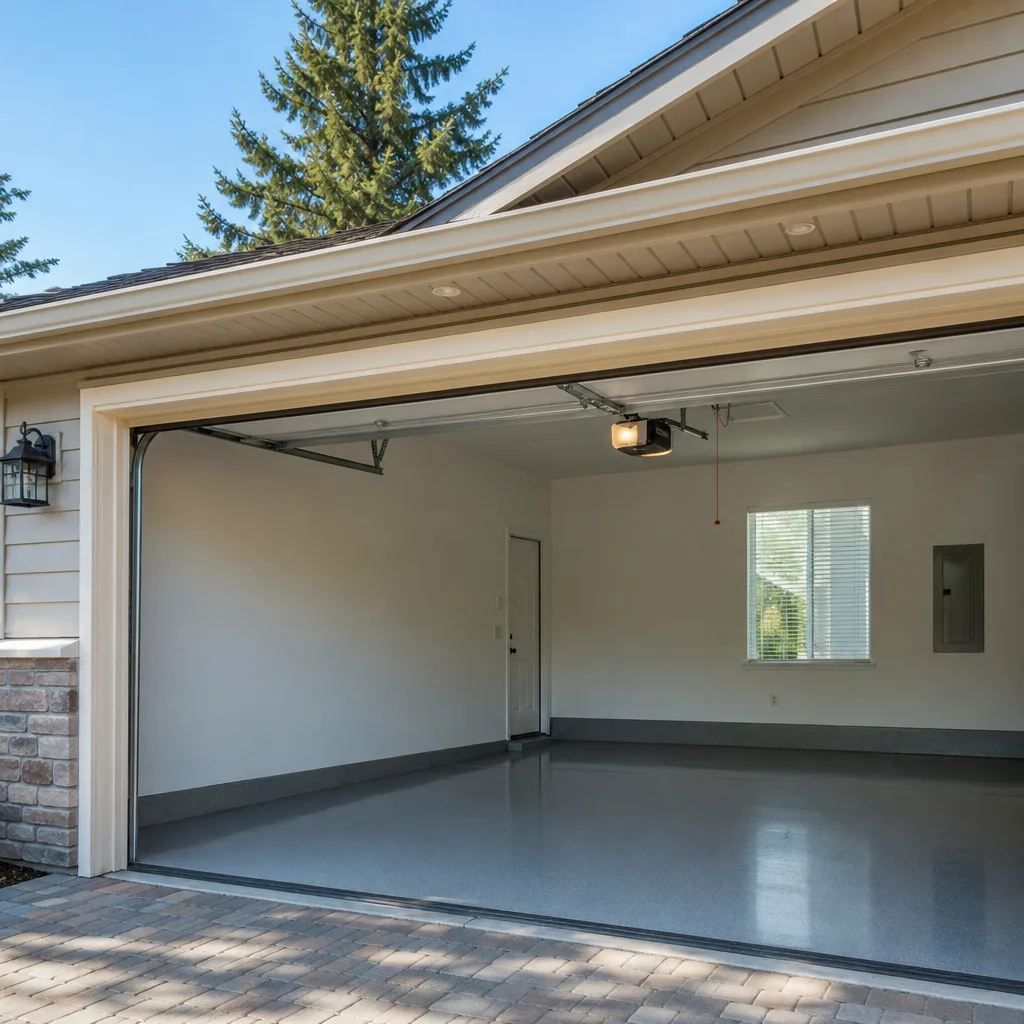 Chamberlain openers
Full 25-point door and opener safety check with every visit - springs, cables, rollers, tracks, and your LiftMaster or Chamberlain opener included
You get a price before we start. It does not change when the truck arrives.
Get your free estimateGarage Door Permits, Codes & Inspections in Roseville, CA: What You Need to Know
Here’s a fact that surprises most Roseville homeowners: replacing your garage door can trigger a Title 24 energy compliance review under California building code, and plenty of contractors have been skipping that step for years without anyone noticing until the house goes up for sale. A garage door isn’t just a moving wall. In the eyes of Placer County and the City of Roseville, it’s part of your home’s thermal boundary, its structural bracing, and its fire resistance. This guide walks through when a permit is actually required in Roseville, what the inspector looks for, what Title 24 means for insulated versus non-insulated doors, how unpermitted work surfaces during escrow, and how HOA approval fits into the picture. For Garage Door Warning Signs: A Roseville Homeowner’s Reference Guide and related help, see our other resources. We’ll cut through the code language so you know exactly what applies to your house before you sign a contract.
Quick Answer
In Roseville and throughout Placer County, a like-for-like garage door replacement, where the new door matches the size, weight, and operation of the old one and no structural framing changes, generally does not require a city building permit. A permit is required when the opening is enlarged or reconfigured, when structural headers or jambs are modified, when you’re converting a garage to living space, or when the new door changes the thermal characteristics of an attached garage in a way that triggers Title 24 energy compliance. When in doubt, the City of Roseville Building Division will tell you in one phone call whether your specific project crosses the threshold.
Styles & brands we work with
- Raised-panel steel
- Carriage house
- Modern flush
- Full-view glass
- LiftMaster openers
- Chamberlain openers
Table of Contents
- When a Garage Door Permit Is Required in Roseville
- Title 24 Energy Code and Your Garage Door: What Actually Applies
- The Like-for-Like Exemption: How It Works in Placer County
- HOA Architectural Approval: A Parallel Process, Not a Substitute
- What a City of Roseville Garage Door Inspection Actually Involves
- Unpermitted Garage Door Work and California Home Sales
- Common Mistakes to Avoid
- When to Call a Professional
- Frequently Asked Questions
When a Garage Door Permit Is Required in Roseville
California Residential Code section R105.1 lays out the general rule: you need a permit before constructing, enlarging, altering, repairing, moving, demolishing, or changing the occupancy of a building. But R105.2 then carves out exemptions, and this is where garage door work gets interesting.
A straight replacement of a garage door, swapping one sectional door for another in the same opening, typically falls under the “minor repair” exemption when the work doesn’t touch the structure around the opening. The City of Roseville follows this same logic. The key word is typically, because the moment the job moves from “remove and replace” into “modify the opening,” the permit trigger fires.
Here’s what pushes a garage door project into permit territory in Roseville:
- Opening modification: Widening, heightening, or moving the garage door opening requires a permit, period. You’re altering the structural wall, and the header above that opening is load-bearing in most Roseville homes.
- Structural changes: Replacing a damaged header, reframing the jambs, or adding a new beam is structural work and needs plan review.
- Garage conversion: Turning the garage into a bedroom, office, or ADU means the door comes out entirely and the opening gets framed and sheathed. That’s a full building permit with plans.
- Adding a door where none existed: Cutting a new opening in a garage wall is structural and requires engineering.
- Changing from one door to two, or two to one: This alters the header span and lateral bracing, so it won’t fly under a repair exemption.
What surprises a lot of Roseville homeowners is the second trigger: Title 24 energy compliance. We’ll get into that below, but for now know that an insulated-to-non-insulated swap, or vice versa, on an attached garage can pull the project into review territory even when the door size stays identical. This is the part most contractors skip, and it’s the exact scenario that creates problems during a home sale years later.
Title 24 Energy Code and Your Garage Door: What Actually Applies
Title 24, Part 6 of the California Code of Regulations, is the state’s energy efficiency standard. Most people associate it with windows, insulation, and HVAC. But it has a section that applies directly to garage doors in specific situations, and it’s the most commonly missed requirement in residential garage door replacement in the Sacramento region.
The applicable section depends on whether the garage is inside the home’s thermal envelope. In most Roseville homes, the attached garage is outside the conditioned envelope, meaning it’s not heated or cooled. That’s the good news. An unconditioned garage doesn’t trigger mandatory insulation requirements for the door itself. The bad news is that the wall between the house and the garage is part of the thermal boundary, and certain changes to the garage door can affect how that boundary performs.
Here’s the practical breakdown:
- Unconditioned garage, door is not part of the thermal boundary: No Title 24 insulation requirement for the door. Replace it with whatever you want, insulated or not, from an energy code standpoint.
- Conditioned garage: Some Roseville homeowners have insulated and climate-controlled garages used as workshops or gyms. If the garage is conditioned space, the door becomes part of the thermal envelope, and Title 24 requires minimum insulation values. A non-insulated steel door won’t pass.
- Garage conversion or ADU: Once the garage becomes living space, the wall and any remaining garage door opening must meet full envelope requirements, which typically means the door comes out or gets massively upgraded.
- Attic access or storage above the garage: The ceiling assembly matters, but the garage door itself stays outside the envelope as long as the garage is unconditioned.
In our experience working in Roseville neighborhoods from Sun City to Westpark, the most common scenario is the simple one: an unconditioned attached garage where the homeowner swaps a tired old steel door for a new insulated model from Clopay or Amarr. That work is exempt from Title 24 review and typically exempt from permits. It’s the edge cases, the conditioned garage, the conversion-to-gym scenario, the double-wide remodel, that demand a code-literate contractor who knows when to flag the project for review rather than pretending it doesn’t exist.
The Like-for-Like Exemption: How It Works in Placer County
Placer County and the City of Roseville don’t maintain a separate garage door permit code. They enforce the California Residential Code with local administrative amendments. The “like-for-like” concept is an interpretive standard, not a statute, and it means this: if the new door occupies the same opening, uses the same general support, and doesn’t change the building’s structural or thermal performance, it’s a repair, not an alteration.
The standard has held up well in practice, and here’s what it means on the ground:
- Same size door, same weight class: A 16×7 non-insulated steel door replaced by a 16×7 non-insulated steel door, or even an insulated steel door of similar weight, is a repair.
- Same operation type: Sectional to sectional is a repair. Sectional to roll-up often involves different mounting, but if the opening and header aren’t touched, most inspectors still treat it as a replacement.
- Same structure around the door: The header, jambs, and sill stay put. You’re not cutting, notching, or removing any framing.
- No change to the garage’s conditioned status: If the garage was unconditioned and stays unconditioned, the thermal boundary is unchanged.
The line gets crossed when any of those four conditions fails. We’ve seen Roseville homeowners try to convert a single-car opening to a wider double door without a permit, and the result is almost always the same: the work gets flagged at resale, the header is undersized for the new span, and the fix costs more than the original door project. The header above a garage door opening is load-bearing. It carries roof and possibly second-floor loads. Guessing at header size is how you get a sagging beam and cracked drywall over the door three years later.
If you’re not sure whether your project qualifies as like-for-like, call the City of Roseville Building Division. They answer this exact question daily, and the determination is free. It takes five minutes and you’ll have a definitive answer in writing, which is worth its weight in gold during escrow.
HOA Architectural Approval: A Parallel Process, Not a Substitute
If you live in a Roseville HOA community, which covers large swaths of the city including parts of Sun City, Diamond Oaks, and the newer developments off Blue Oaks Boulevard, your garage door project has two approval tracks. The city permit track handles building code. The HOA track handles aesthetics and CC&R compliance. They don’t talk to each other, and one doesn’t excuse the other.
Most Roseville HOAs have garage door standards in their architectural guidelines. Common restrictions include:
- Approved door styles and materials: Many HOAs only allow sectional steel doors with specific panel designs. Carriage-house styles, wood doors, or full-view glass doors often require variance requests.
- Color palette restrictions: Expect a limited set of approved colors, usually earth tones or specific neutrals. A bright red garage door, even if you love it, will likely get denied.
- Maximum window or glass area: Some HOAs restrict how much glass you can have in the door.
- Replacement in kind: Many HOAs requires that a replacement door visually match neighboring homes. If everyone on your street has a raised-panel steel door in Sandtone, your new flush-panel door in dark bronze is going to get pushback.
- Opener visibility and noise: Less common, but some HOAs have rules about belt versus chain drive openers in attached garages where bedrooms sit above.
Here’s the part Roseville homeowners often get wrong: HOA approval is not a substitute for a city permit, and a city permit is not a substitute for HOA approval. They’re separate processes. If your project requires a building permit, you need both approvals. If your project is exempt from city permits, you may still need HOA architectural review before you install the new door. Skipping HOA approval on a like-for-like replacement seems harmless until the HOA sends a violation letter and demands you remove the door you just paid $2,000 to install.
The process is usually straightforward: submit the door spec sheet, color sample, and a photo of the existing door, and wait for the architectural committee to sign off. Turnaround in Roseville HOAs typically runs two to four weeks, so plan for it before you schedule the install.
What a City of Roseville Garage Door Inspection Actually Involves
When a garage door project does require a permit, which most commonly happens on opening modifications, structural repairs, or garage conversions, the City of Roseville building inspection is specific and short. Here’s what the inspector checks:
- Header and framing: The inspector verifies the header size matches the approved plans, the bearing points are correct, and the connection hardware meets code. This is the core of the inspection and the part that keeps your roof where it belongs.
- Door installation and operation: The inspector confirms the door operates smoothly, the tracks are plumb, and the balance is correct. A door that’s wildly out of balance is a red flag that the spring system was sized wrong. Safety-related concerns like high-tension spring systems and cables are always best left to trained professionals, and the inspection ensures the installation was done to manufacturer specifications.
- Safety features: Since 1993, federal law requires all residential garage door openers to include an auto-reverse mechanism triggered by photoelectric sensors or an edge sensor. If the project includes a new opener, the inspector verifies the sensors are installed at the correct height and the door reverses properly. This is non-negotiable, and it protects kids, pets, and anyone standing in the door’s path.
- Fire separation where applicable: In attached garages, the wall between the garage and living space is a fire-rated assembly. If the project altered any part of that wall, the inspector checks drywall thickness, taping, and penetration sealing.
- Title 24 compliance if triggered: For conditioned garages or conversion projects, the inspector may verify insulation values and airtightness details against the compliance documentation.
The inspection itself takes about 15 to 30 minutes. The permit process before that is where the real time goes. In Roseville, a simple over-the-counter permit for a straightforward opening modification might be issued same-day. A project requiring plan review, which covers most structural changes and any garage conversion, typically runs two to four weeks from submittal to approval. Then you schedule the inspection, and the city has a two-business-day inspection window in most cases.
For homeowners replacing a door under the like-for-like exemption, none of this is required, and that’s the right outcome. The system is designed to catch the projects that alter structure or energy performance, not to burden homeowners who just need a new Clopay or Wayne Dalton door in the same opening.
Unpermitted Garage Door Work and California Home Sales
California Civil Code section 1102, the statutory transfer disclosure statement, requires sellers to disclose all known material facts about the property, including any work done without required permits, whether by the current owner or a prior one. The standard C.A.R. Residential Purchase Agreement has a section where the seller represents whether permits were obtained for improvements. Here’s what that means for garage door work in Roseville.
A like-for-like replacement that never needed a permit is not a disclosure issue. You don’t need to justify work that was never required to be permitted. But an opening modification, a conversion, or any work that should have had a permit and didn’t becomes a disclosure obligation the moment you know about it. Most sellers don’t want to check that box, because it opens the door to buyer demands for retroactive permits, price reductions, or repair credits.
The reality in the Roseville market is this: buyers’ inspectors look at garage doors. They note the header, the track hardware, the spring system, and the opener safety features. If the inspector sees an enlarged opening with no permit on file, or a conversion that clearly should have been permitted, that’s a flag. Some buyers walk. Some demand a retroactive permit. Some use it as leverage to knock thousands off the sale price.
The fix for an unpermitted project is a retroactive permit through the City of Roseville, which involves opening up walls if the inspector can’t otherwise verify the work, and it costs more than the original permit would have. The retrofit process is the same as a regular permit plus inspection, but it carries the added hassle of potentially uncovering work that doesn’t meet code. If the header is undersized, you’re not getting a permit without fixing the header, and now you’re paying for structural work during escrow, which is the worst possible time.
The lesson is simple: when in doubt, pull the permit. If you’re buying a Roseville home and the garage door area looks modified, ask the seller for the permit record. The City of Roseville Building Division can verify permits by address, and that five-minute check can save a lot of trouble later.
Common Mistakes to Avoid
- Assuming all garage door replacements need a permit: In Roseville, a like-for-like replacement in the same opening typically doesn’t. Don’t spend time and money on a permit for a simple swap, but don’t assume the opposite either.
- Skipping the Title 24 check on a conditioned garage: If your garage is heated, cooled, or used as a finished workshop, the door becomes part of the thermal envelope, and energy code compliance applies. Too many contractors don’t flag this.
- Treating HOA approval as optional on like-for-like work: The city may not care about your door swap, but your HOA does. A color or style violation can force a removal and reinstall at your expense.
- Enlarging an opening without engineering: Wider doors need bigger headers. Guessing at header sizing leads to sagging, cracking, and a failed inspection if you get caught.
- Hiding unpermitted work during a sale: California’s disclosure laws are strict, and a buyer’s inspector will flag the modified opening anyway. The disclosure obligation doesn’t disappear because you stay quiet.
- Confusing HOA approval with city permits: They’re different jurisdictions with different rules. Getting one doesn’t satisfy the other, and neither is a substitute for professional installation.
- Forgetting the 1993 opener safety law: If you install a new opener, even under a like-for-like exemption, the auto-reverse and photoelectric sensor requirements still apply. This is a safety issue, not a paperwork issue.
When to Call a Professional
Garage door work falls into three categories: the safe, the risky, and the dangerous. Replacing weatherstripping, repainting a panel, or swapping a remote control battery is safe. Adjusting track alignment, replacing rollers, or servicing an opener is risky if you don’t know the system. Working on torsion springs, high-tension cables, or structural framing is dangerous and should never be DIY. A torsion spring under tension stores enough energy to cause serious injury or death if it lets go. That’s not hyperbole; it’s the mechanical reality of a spring holding a 150-pound door in balance.
If your project involves structural changes, opening modifications, or anything that triggers a permit, you need a contractor who understands both the mechanical work and the code compliance side. Wright Garage Door Repair offers free estimates in Roseville, and our team is factory-familiar with doors and openers from Clopay, Amarr, Wayne Dalton, and Craftsman, among the eight major brands we service. We can tell you in the first conversation whether your project crosses a permit threshold and what the city will expect. Browse more guides & resources on our blog for additional homeowner help. Call (855) 362-1465 to get answers before you commit to the work.
For broader context on what a full replacement involves, see our guide on Garage Door Installation in Roseville, or if the opener is your concern, our Garage Door Opener Repair in Roseville page covers safety sensor and auto-reverse compliance in detail.
Frequently Asked Questions
Most like-for-like garage door replacements in Roseville do not require a building permit, as long as the opening size, structural framing, and thermal characteristics of the garage stay the same. If you’re changing the opening dimensions, modifying the header, or altering an attached garage’s conditioned status, a permit is required. Call the City of Roseville Building Division for a definitive answer on your specific project.
Title 24 applies to garage doors only when the garage is conditioned space, meaning it’s heated or cooled as part of the home’s thermal envelope. For the typical unconditioned attached garage in Roseville, the door is outside the energy code’s insulation requirements, and a standard replacement doesn’t trigger a Title 24 review.
Simple over-the-counter permits for minor modifications can be issued the same day at the City of Roseville Building Division. Projects requiring plan review, such as structural changes or garage conversions, typically take two to four weeks from submittal to approval, followed by a 15 to 30 minute on-site inspection.
Yes. If you live in an HOA community, the architectural guidelines likely restrict door style, color, window area, and sometimes opener noise. HOA approval is separate from city permitting, and you need both when a permit is required. Even permit-exempt replacements usually need HOA sign-off before installation.
California Civil Code section 1102 requires you to disclose any known unpermitted work. Buyers’ inspectors commonly flag modified garage door openings, and the disclosure obligation applies whether or not the buyer asks. Retroactive permits cost more than original permits and may require corrective structural work before the city signs off.
Yes. Wright Garage Door Repair handles full-scope garage door work in Roseville, including repairs, opener service, and complete installations, and we can advise you on permit thresholds, Title 24 applicability, and HOA coordination. Call (855) 362-1465 for a free estimate and a straight answer on what your project requires.
The Bottom Line
Garage door permits in Roseville come down to a simple question: are you replacing what’s there, or are you changing what’s there? Like-for-like replacements, the most common job we do, usually sail through without a permit or a Title 24 review. The moment the opening, the structure, or the garage’s thermal status changes, the code book opens. HOA rules add a second track that runs parallel to city permitting and never replaces it. And unpermitted work has a way of surfacing at the worst possible time, which in California is almost always during escrow. When you’re clear on the thresholds, the project gets easier. When you’re not, one phone call to the city or a competent contractor clears it up in minutes. For Roseville homeowners, Wright Garage Door Repair covers the full scope, from the mechanics of the door to the code requirements around it, and you can reach us at (855) 362-1465 for a free estimate. For more on our services, visit the Wright Garage Door Repair home page or see our Garage Door Repair in Roseville guide for service specifics.
Written by the team at Wright Garage Door Repair, serving Roseville since 2017.
See the difference
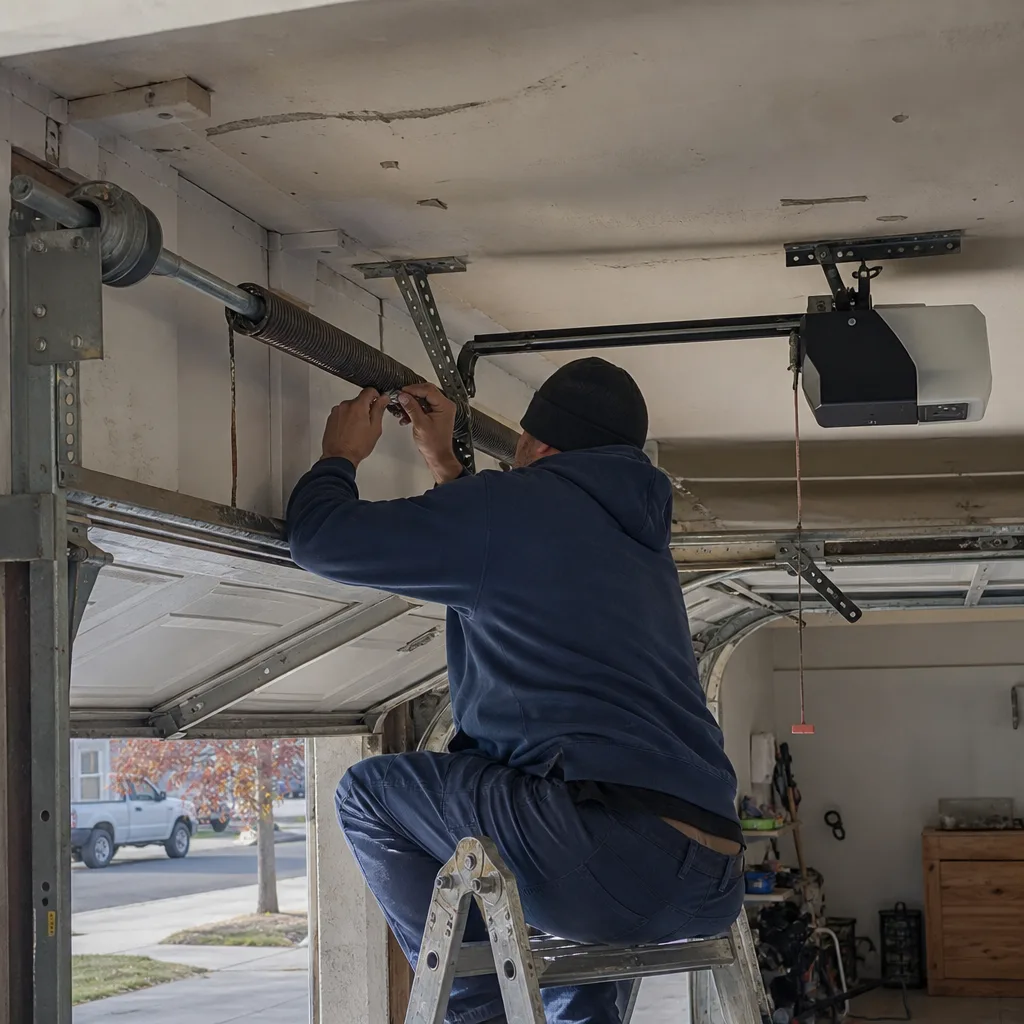 Before
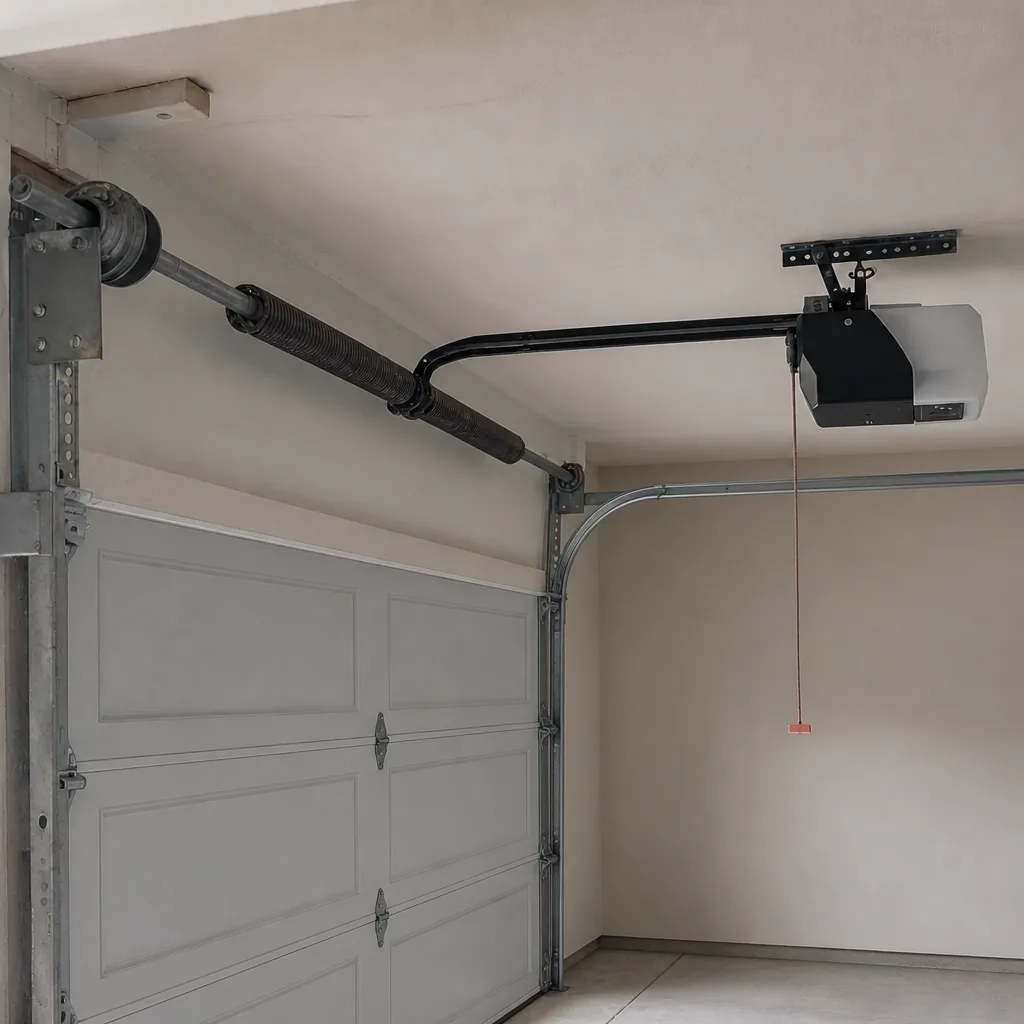 After
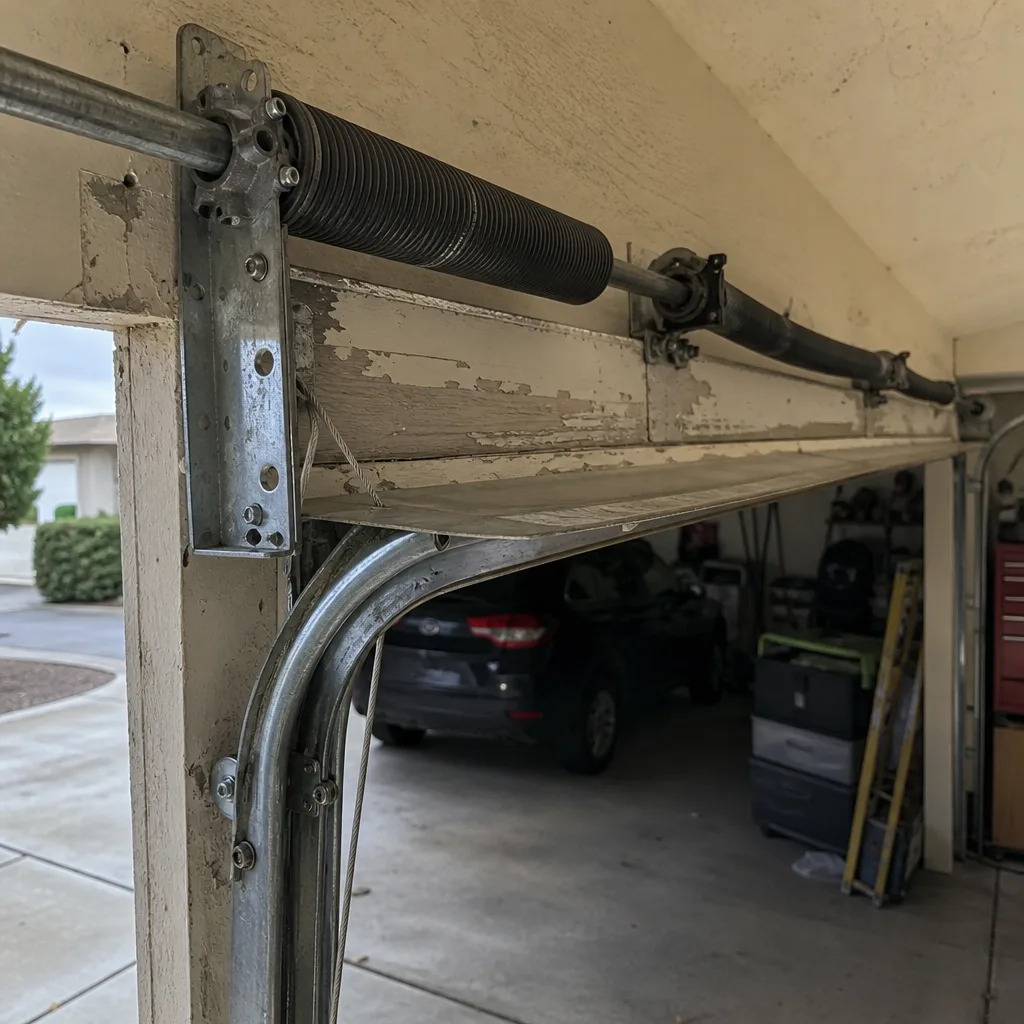 Before
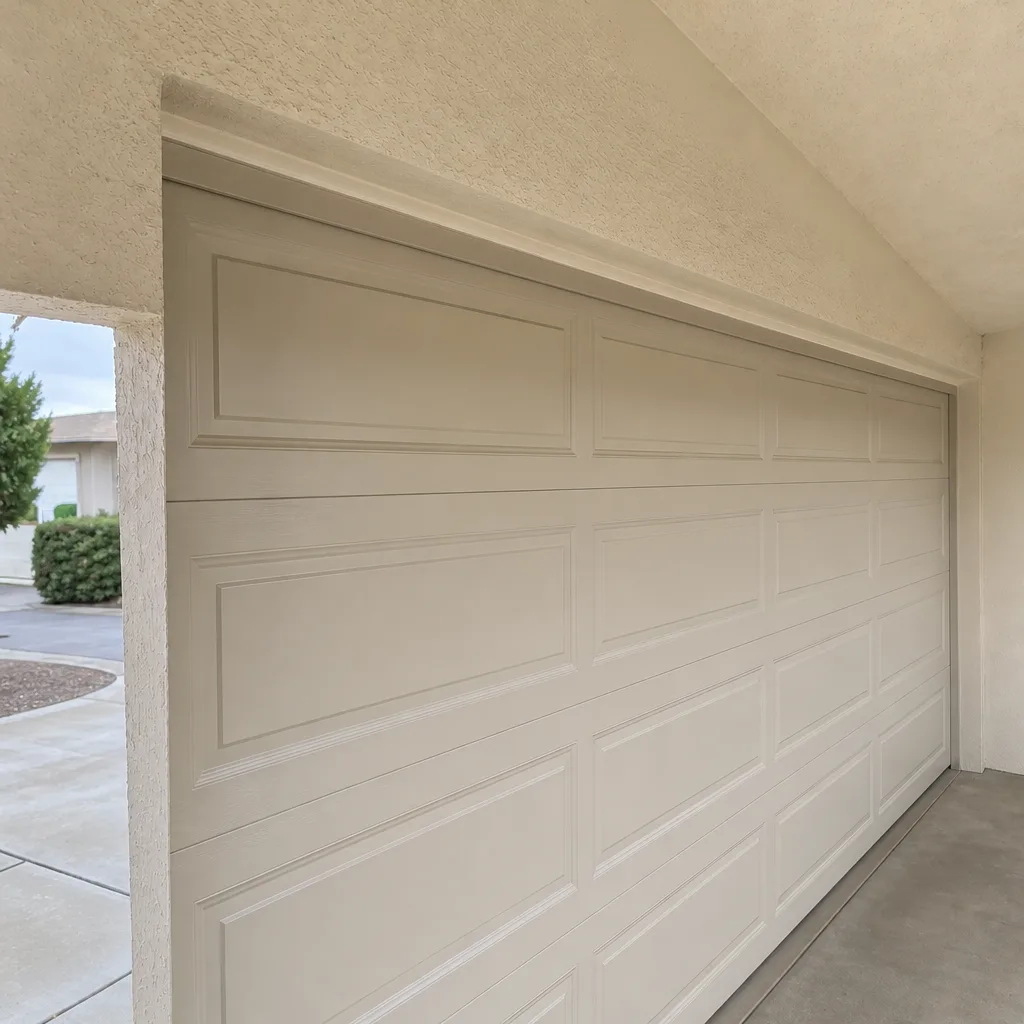 After
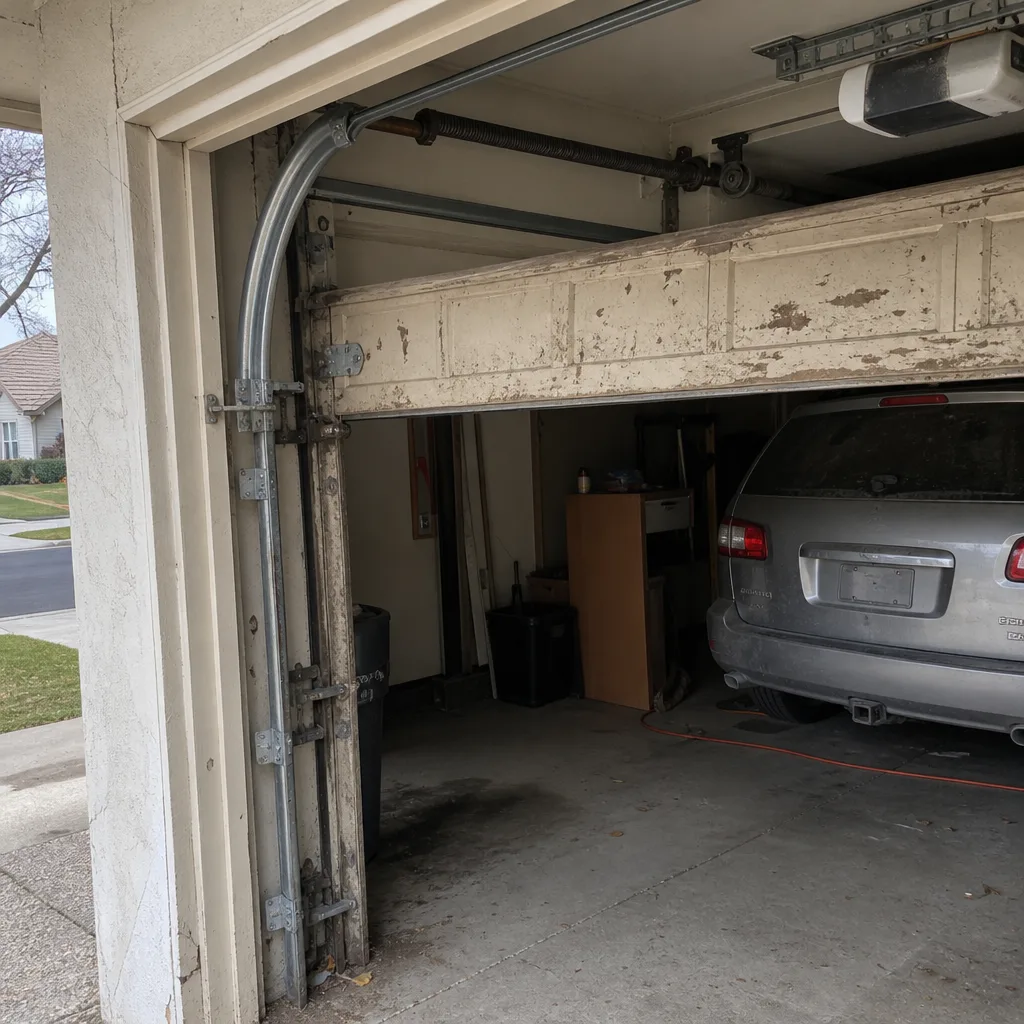 Before
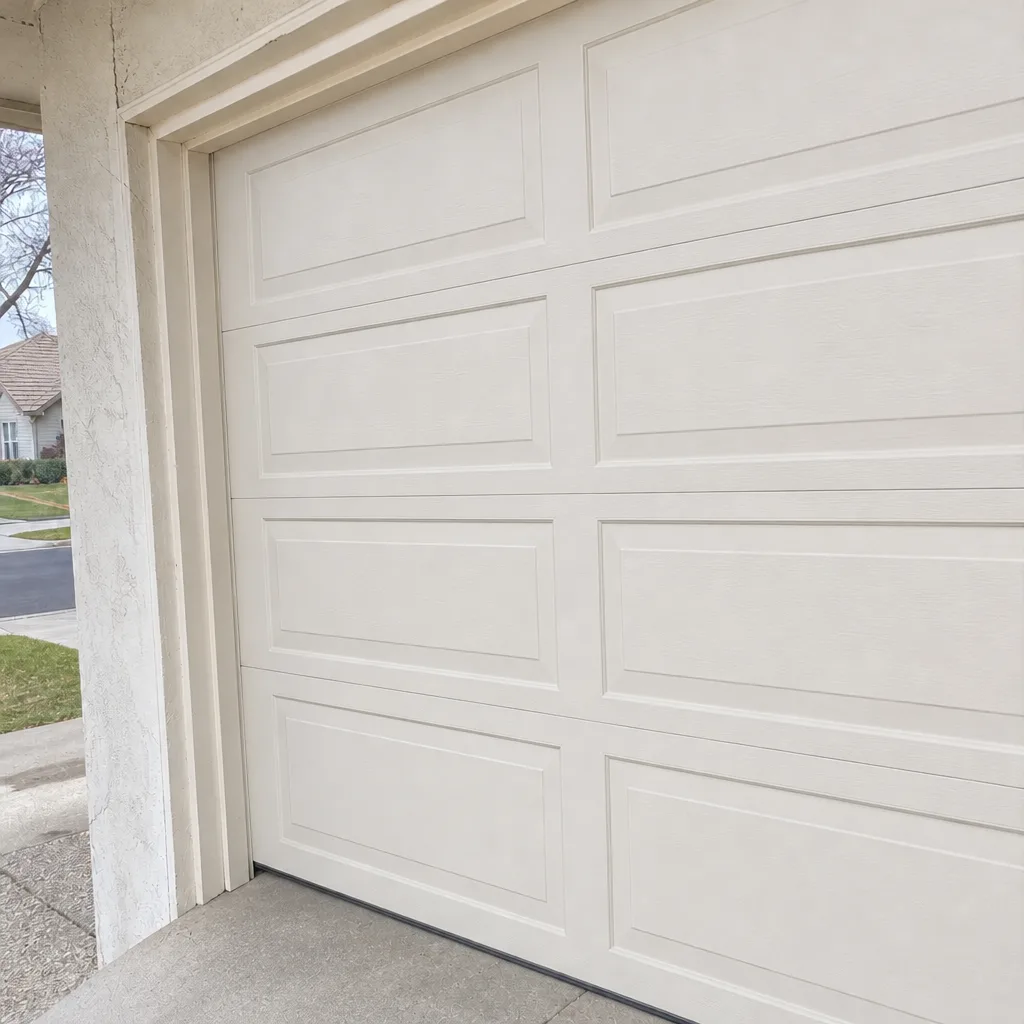 After