
Last updated October 30, 2026
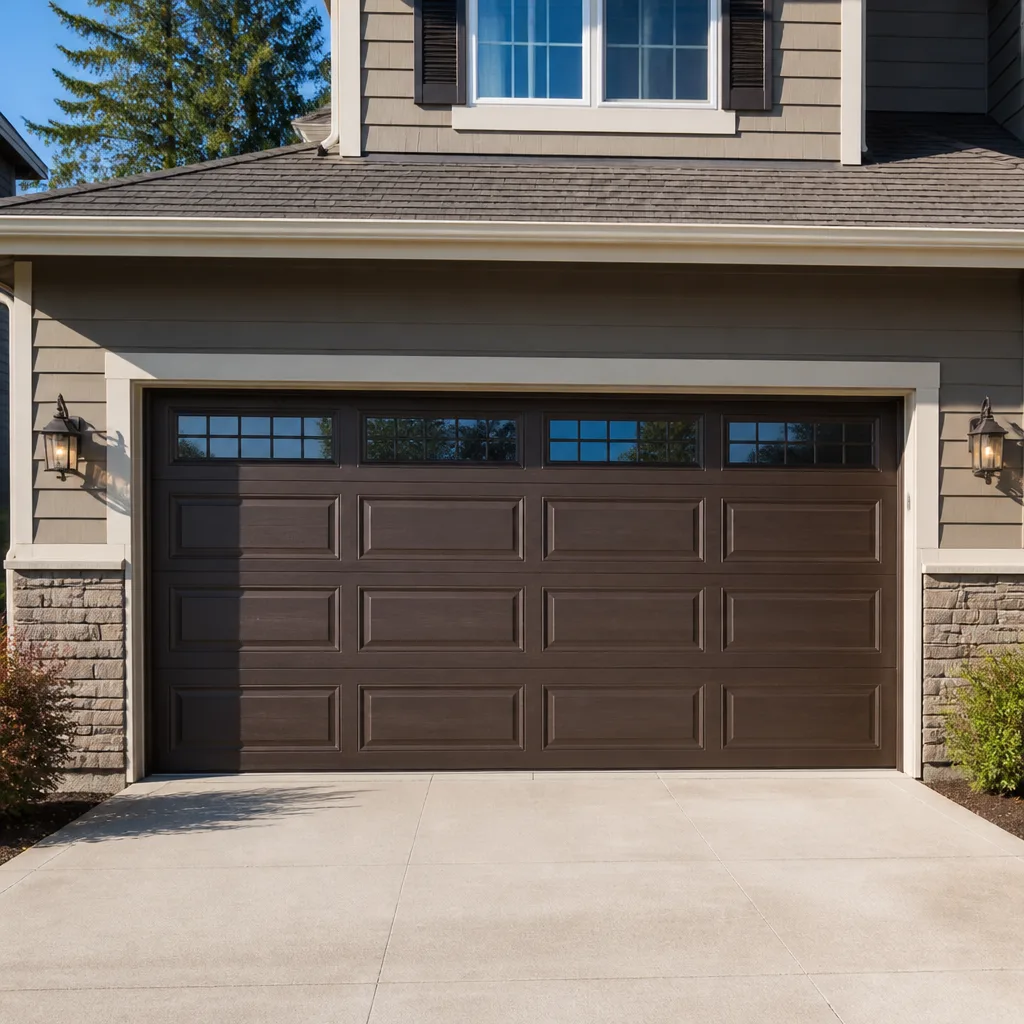 Raised-panel steel
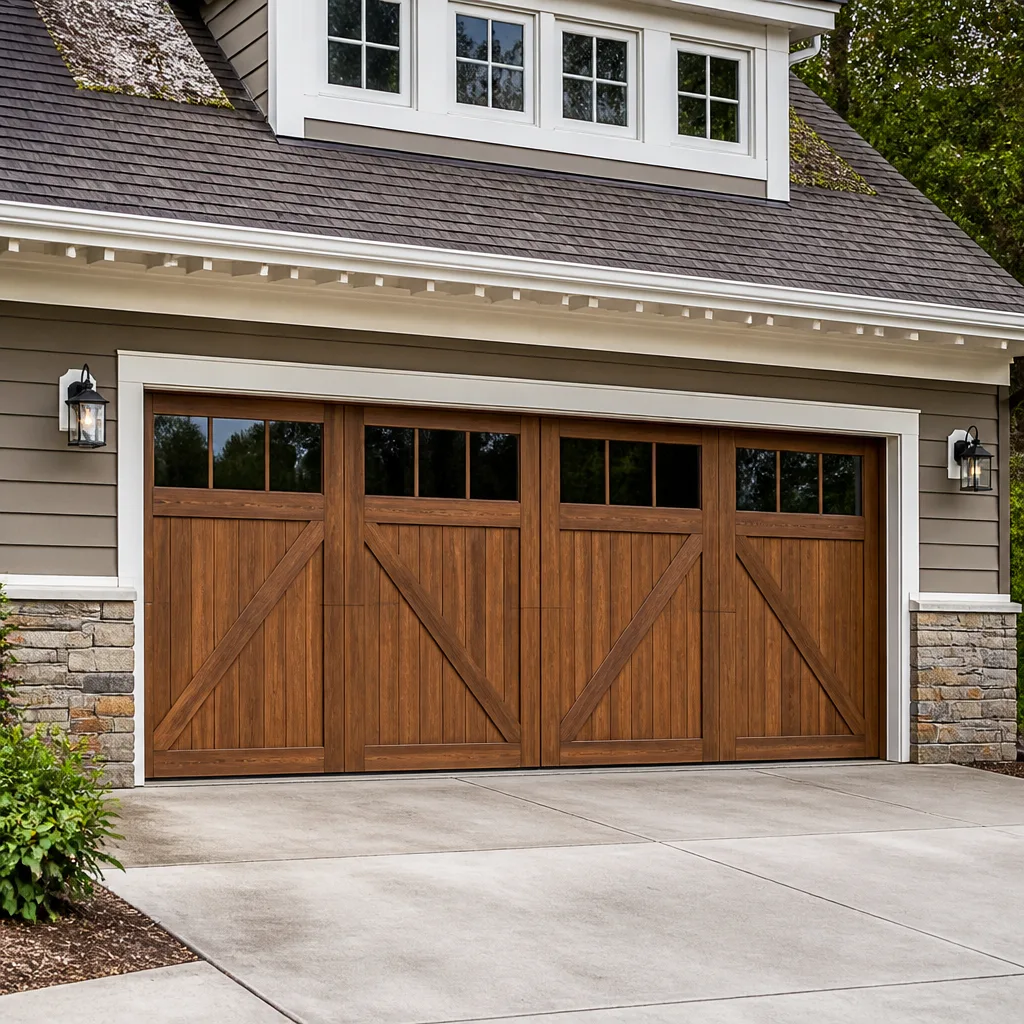 Carriage house
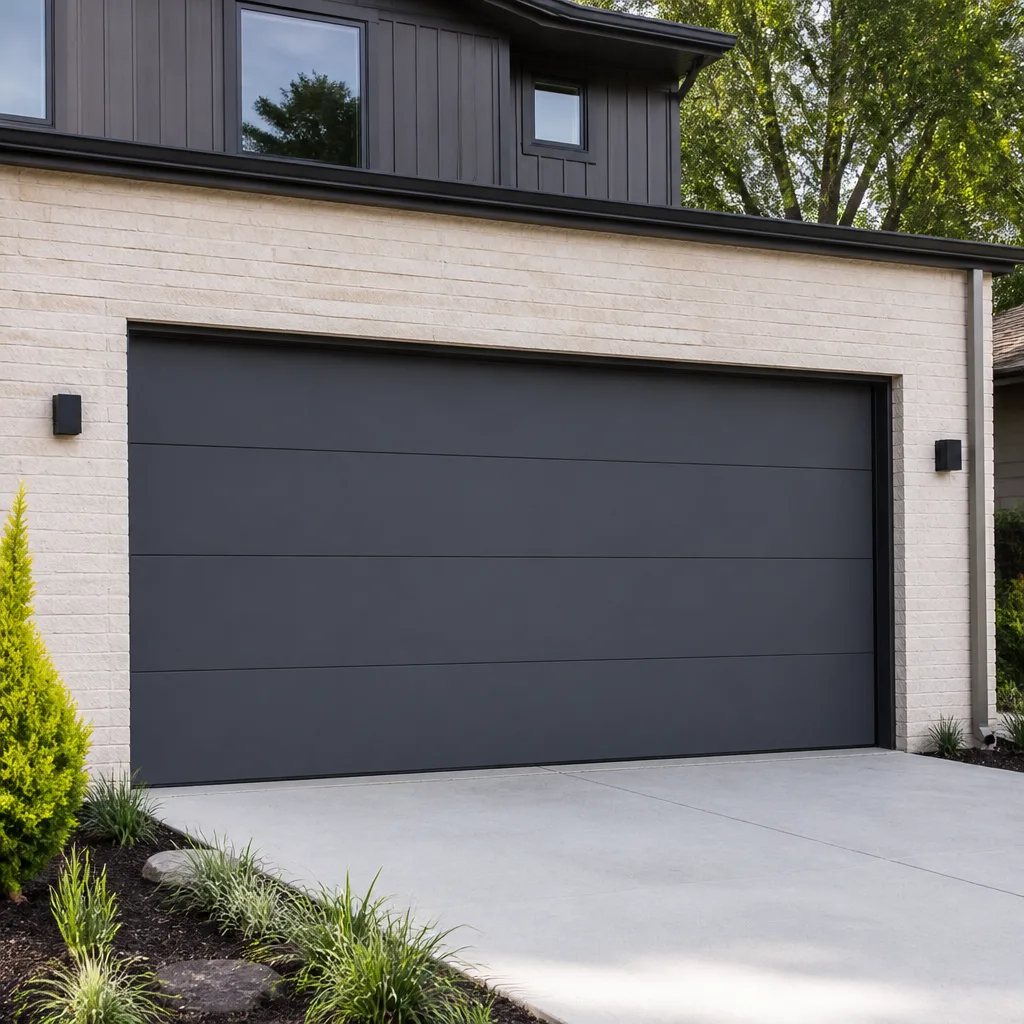 Modern flush
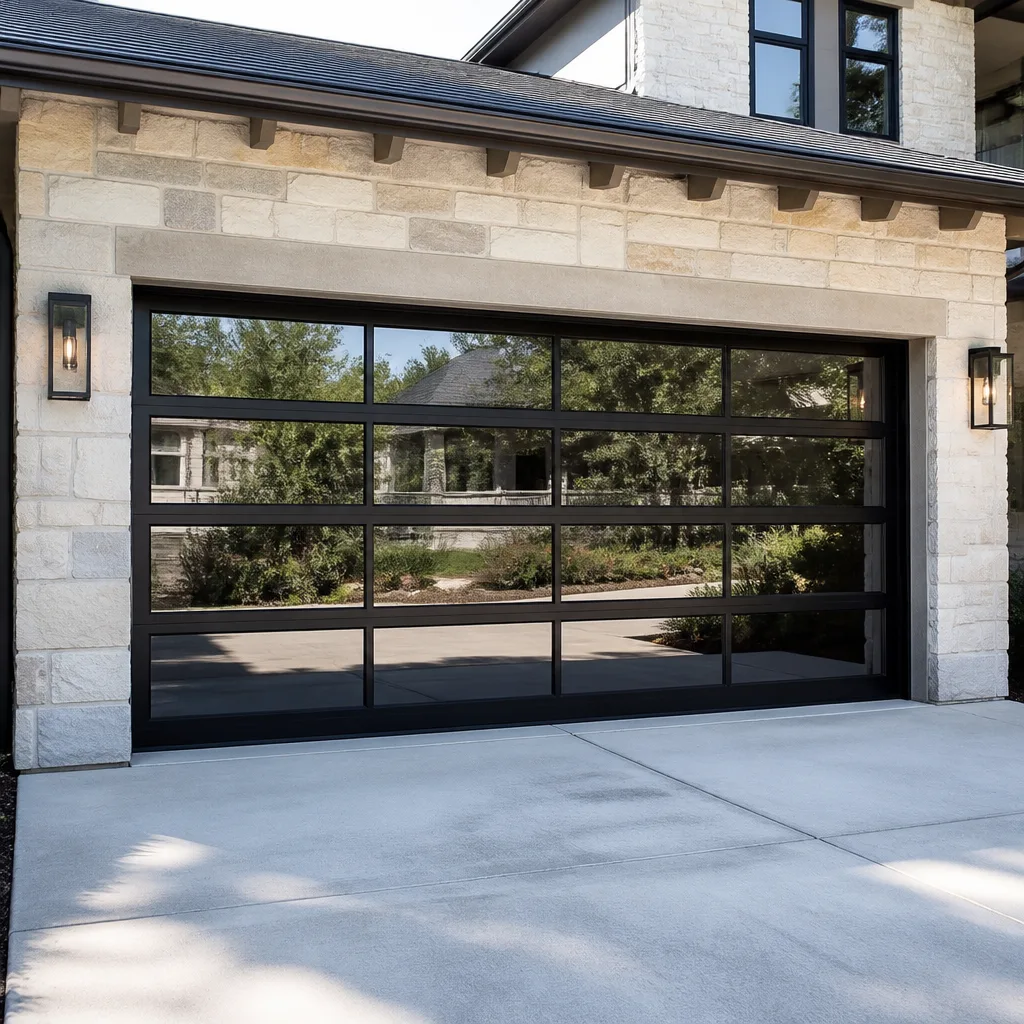 Full-view glass
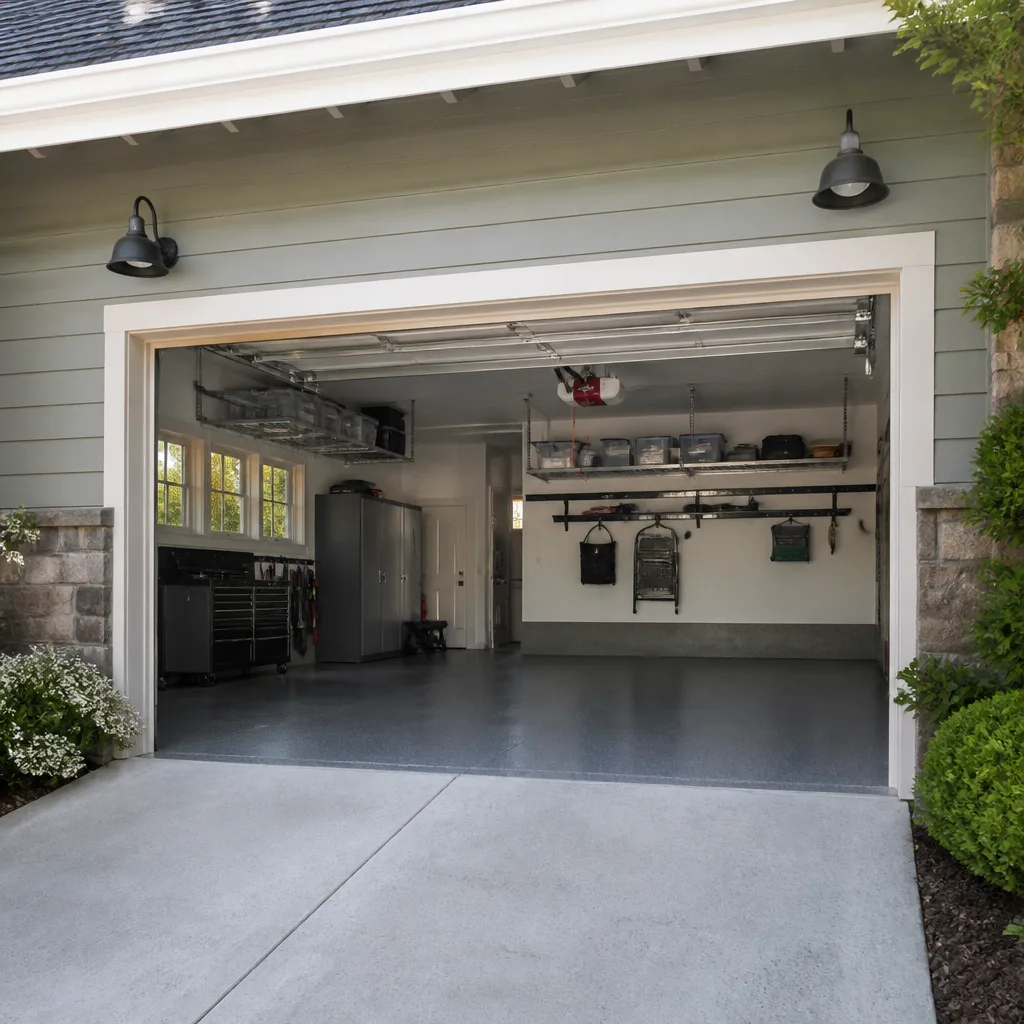 LiftMaster openers
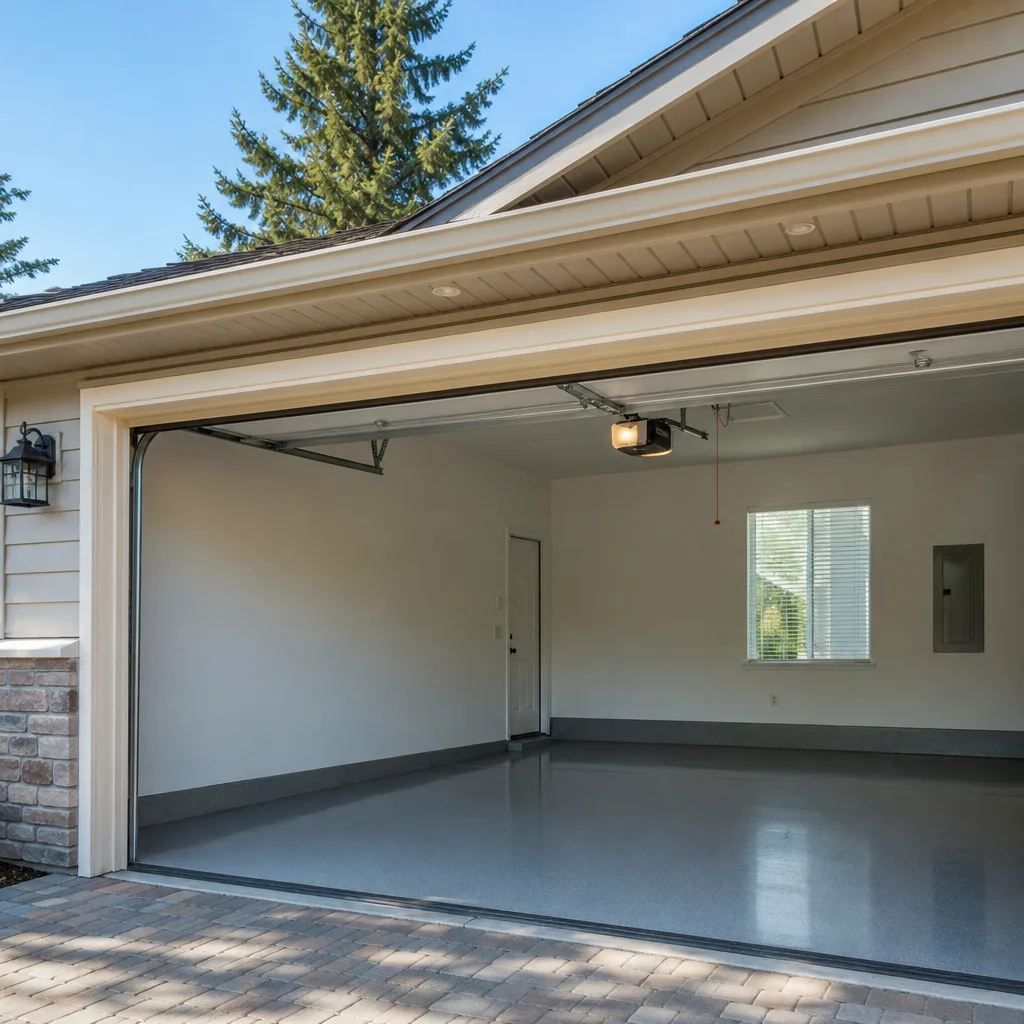 Chamberlain openers
Full 25-point door and opener safety check with every visit - springs, cables, rollers, tracks, and your LiftMaster or Chamberlain opener included
You get a price before we start. It does not change when the truck arrives.
Get your free estimateGarage Door Repair Maintenance Checklist for Roseville Homeowners
Most garage door maintenance checklists were written for national audiences and tell you to lubricate your springs twice a year. But in Roseville, summer heat causes lubricant to thin and migrate off metal faster, meaning the interval and product type both need adjusting. A door tuned for Ohio winters behaves differently in a Sacramento Valley July. This guide gives you a maintenance checklist calibrated to Roseville’s actual conditions: 100°F summers, freezing fog in January, and fine dust that works its way into rollers, tracks, and weatherseals. You’ll learn what to check, when to check it, what products actually hold up here, and when our Garage Door Repair services beat another Saturday of troubleshooting.
Quick Answer
A garage door in Roseville needs seasonal attention: heavier lubrication before summer heat arrives, weatherseal checks after winter fog season, and a balance test every three months. Lubricate moving metal parts with a silicone-based spray every 4 months, not 6, and inspect torsion spring wind counts annually against your door’s weight. If your door fails a balance test or the springs show gaps in their coils, see our Garage Door Repair Troubleshooting in Roseville: Common Problems and How to Fix Them or call a Roseville garage door technician before the door fails outright.
Styles & brands we work with
- Raised-panel steel
- Carriage house
- Modern flush
- Full-view glass
- LiftMaster openers
- Chamberlain openers
Table of Contents
- Lubrication: What Actually Works Above 95°F
- The Door Balance Test: Pass/Fail Criteria for Roseville Homes
- How to Check Torsion Spring Wind Count
- Weatherseal Inspection: Roseville Dust Is the Real Problem
- Seasonal Task Frequency Matrix for the Sacramento Valley
- Opener and Drive System Checks
- Common Mistakes to Avoid
- When to Call a Professional
Lubrication: What Actually Works Above 95°F
Roseville summers routinely push past 100°F. Inside an uninsulated garage, it’s 20 degrees hotter than that. Standard white lithium grease, the stuff every generic checklist recommends, thins out at those temperatures and drips off the springs and hinges within weeks. What’s left behind is a sticky film that attracts dust from the Dry Creek basin winds. Within a month you’ve got a grinding paste working against your door’s moving parts.
Here’s what we’ve learned from servicing doors across Roseville, from Westpark to Fiddyment Farm: silicone-based spray lubricants hold up better in sustained heat. They don’t attract grit the way petroleum-based products do, and they maintain viscosity above 95°F. For hinges and rollers, use a silicone spray with a straw applicator. For torsion springs, a light coat of silicone is fine, but skip grease entirely. Grease belongs on the opener rail only, and even then, use a thin bead and wipe off the excess.
Products to avoid in Roseville’s climate:
- WD-40: It’s a solvent, not a lubricant. It cleans briefly, then leaves metal dry and vulnerable.
- Heavy lithium grease on springs: Attracts dust and turns into grinding compound by August.
- Motor oil: Too thin for this application, drips onto the driveway, and gums up over time.
- Graphite powder: Works in locks, not on garage door rollers or hinges exposed to outdoor air.
Lubrication schedule for Roseville: every 4 months. Start in early March, before the heat builds. Second pass in July, when temperatures peak. Third pass in November, as fog season starts. The heat migration problem means waiting a full six months between applications leaves your springs running close to dry for eight weeks.
Apply to these points: hinge pins, roller bearings, torsion spring coils, the opener rail, and the lock mechanism. Wipe away any visible excess after ten minutes. That’s the whole job.
The Door Balance Test: Pass/Fail Criteria for Roseville Homes
A garage door should hold position at any point in its travel. If it doesn’t, the springs are doing too little work and the opener motor is doing too much. That’s how openers burn out early, and why a door that “works fine” suddenly won’t open one morning. The balance test catches spring fatigue before it becomes a breakdown.
Roseville has a specific wrinkle here: many homes in older neighborhoods like Cherry Glen and Cirby Ranch have stucco-frame garage openings with slightly different framing tolerances than newer track-built homes in west Roseville. A door that shifts slightly out of square puts uneven load on the springs. Balance testing catches this early.
Here’s the test, step by step:
- Close the door completely. Pull the red emergency release cord on the opener so you can operate the door manually.
- Lift the door to waist height. About 3 feet off the ground.
- Let go. Watch what the door does.
Pass criteria:
- The door holds position at waist height without drifting more than 2 inches in either direction.
- The door stays put at chest height when released.
- The door doesn’t slam down from any open position.
Fail criteria:
- The door drops toward the ground when released. Springs are too weak or one spring has failed.
- The door rises on its own. Springs are over-tensioned. This is less common but dangerous with older installations.
- The door feels noticeably heavier on one side. Track misalignment or uneven spring tension.
- You hear a loud bang from the springs while lifting. A coil has bound or the spring is about to fail.
Run this test every three months, and after any major temperature shift. A 40-degree overnight swing in Roseville, common in October, can expose spring fatigue that was masked in warmer weather. If the door fails any of these checks, stop using the opener and operate the door manually until it’s inspected.
Safety note: never attempt to adjust tension on a torsion spring yourself. These springs are under hundreds of pounds of torque and can cause serious injury when mishandled. The balance test tells you whether there’s a problem. Fixing that problem is a job for a trained technician.
How to Check Torsion Spring Wind Count
Torsion springs are the counterweight system for your door. Each spring is wound to a specific number of turns, called the wind count, based on the door’s weight and height. If the wind count is wrong, the spring can’t lift the door efficiently, and the opener motor compensates. Checking wind count is something you can do safely from ground level, no ladder required.
Why this matters in Roseville: doors in older neighborhoods with custom or oversized openings, common in parts of Roseville built in the 1980s and 1990s, often have springs that were wound for a lighter door type than what’s actually installed. If a previous homeowner replaced door panels without updating springs, the system is mismatched. This is one of the most common root causes we find behind callbacks and “my opener keeps burning out” complaints.
What to look for:
- Stand inside the garage with the door closed. Look up at the torsion tube above the door header.
- Count the visible gaps between coils on each spring. Each gap represents one full wind. A typical residential door spring has 7 to 9 winds per spring.
- Check both springs. On a double-spring system, both springs should have the same number of visible gaps.
- Look at the spring ends. The set screws on the winding cone should be tight against the shaft, with no visible gap between the spring and the end bearing plate.
What the numbers mean:
- 7 winds on a standard 7-foot door: Normal. This matches most manufacturer specs for doors weighing 130 to 160 pounds.
- Fewer than 7 winds on a standard door: Under-wound. The door will feel heavy, the opener will strain, and the spring will fatigue faster.
- More than 9 winds: Over-wound. This creates excessive force and shortens spring life. It can also make the door shoot up when disconnected.
- Different wind counts between two springs: One spring is doing more work than the other. That spring will fail first, and the remaining spring will carry the full load until it also fails.
- Gaps appear and then disappear as the door moves: This is actually normal spring function, but pay attention to whether the gaps close unevenly. That indicates winding cone slippage.
You can also check the manufacturer’s wind count by looking for a painted stripe or marking on the spring coils. Most manufacturers paint a stripe when the spring is wound at the factory, but field-installed springs rarely have this. In our experience with Amarr and Wayne Dalton doors in Roseville, factory wind counts sometimes don’t survive a door reinstallation, which is why the visual gap count matters.
If you suspect a wrong wind count, don’t try to correct it. Call a garage door repair professional who can measure your door weight and rewind the spring properly. This is a diagnostic check, not a DIY fix.
Weatherseal Inspection: Roseville Dust Is the Real Problem
Garage door weatherseals get marketed for keeping rain out. In Roseville, rain isn’t the primary threat. Fine particulate dust from the Dry Creek basin and wind-blown debris from open fields in west Roseville work their way through gaps in the bottom seal and the side jambs. That dust settles on opener gears, coats the rollers, and infiltrates anything stored in the garage.
If you notice a dust film on boxes or tools within two weeks of cleaning, your bottom seal is doing nothing. That’s the tell.
Inspection points, specifically for Roseville conditions:
- Bottom seal (astragal): Look for light gaps between the seal and the concrete floor. Run your hand along the seal from inside the garage on a sunny day; any sliver of light means dust entry. Check for cracks in the rubber after summer. UV exposure and sustained heat dry out standard vinyl seals within two years.
- Side and top jambs: The vinyl weatherstrip on the door frame degrades from heat on south-facing and west-facing garage walls. Homes in Roseville with afternoon sun exposure lose these seals faster.
- Threshold strip: Most Roseville garage slabs have a small step-up at the door opening. If the threshold is cracked or chipped, dust channels form. A polyurethane sealant can fill minor gaps, but a badly broken threshold needs replacement.
- Between panels: Interlocking panel seals compress over time. On stucco homes where the door frame sits against a slightly uneven wall, panel gaps open up wider. Look for daylight between sections.
Replacement guidance: bottom seals on doors in Roseville typically need replacing every 3 to 5 years. Vinyl seals degrade faster than rubber, and most budget installations use vinyl. If you’re replacing, choose a rubber seal or a dual-wall vinyl with a flexible inner channel. The extra cost is modest and the dust exclusion is significantly better.
After January fog season, check for water staining or swelling around the bottom seal. Freezing fog saturates wood trim and concrete, and a wet seal against the slab can freeze overnight. When it thaws, it pulls away from the door slightly, creating a permanent gap you’ll see as a dust line inside the garage.
Seasonal Task Frequency Matrix for the Sacramento Valley
Calendar quarters don’t match Roseville’s weather patterns. Our seasons run hot-and-dry, not winter-spring-summer-fall. Same with garage door maintenance. Here’s the actual schedule that fits this climate.
| Season | Months | Tasks | Why This Timing |
|---|---|---|---|
| Pre-heat | March to early May | Full lubrication, balance test, spring wind count check, roller inspection | Get the door ready before sustained 90°F+ days. Lubricant applied now has the best chance to cure before heat thins it. |
| Peak heat | June to September | Light re-lubrication (silicone spray on hinges and springs only), weatherseal check, listen for opener strain | Heat is actively degrading lubricant. A mid-summer top-up prevents metal-on-metal wear during the hottest stretch. |
| Fog season | October to January | Weatherseal inspection for moisture damage, track alignment check, opener force setting test | Freezing fog brings moisture that causes swelling and corrosion. Tracks shift as concrete and wood framing contract overnight. |
| Post-fog | February | Full inspection, spring wind count comparison to prior reading, complete lubrication | Reset before the next pre-heat cycle. Compare wind count photos from last year to spot spring fatigue. |
Note on rollers: nylon-bearing rollers last 7 to 10 years in Roseville’s dry heat if they’re lubricated seasonally. Steel rollers wear faster, especially the bearing-less variety on older Craftsmans and budget doors. Inspect rollers during the pre-heat season, and replace any that are cracked or loose before summer temperatures cause expansion.
Opener and Drive System Checks
The opener is the most common failure point on Roseville garage doors, and most of it comes down to two things: force settings that are incorrectly adjusted, and drive systems that never get inspected. Here’s what to check.
Force settings: Every opener has an adjustable force setting that controls how hard the motor pushes or pulls. If the door is out of balance, the motor compensates by working harder, and the force setting creeps higher over time. You can test this indirectly: place a 2×4 flat on the ground under the door’s path and close the door. A properly adjusted opener should reverse when it hits the wood. If it presses down and keeps straining, the force setting is too high and the motor is working against the obstruction. This is a common problem we see on LiftMaster and Chamberlain units in Roseville.
Drive system type: Roseville homes have three opener drive types.
- Chain drive: Durable but loud. Chain stretch happens over time, causing slack and rattling. Check for sag in the chain. More than half an inch means adjustment is needed.
- Belt drive: Quieter and preferred for attached garages. Belts don’t stretch like chains, but they crack in sustained heat. Look for hairline cracks on the belt surface during pre-heat inspection.
- Screw drive: Common on older Genie units. Screw drives need lubrication more frequently in Roseville heat. A dry screw drive whines loudly and throws grease off the threads.
Safety sensor alignment: The photo-eye sensors at the bottom of the door track get bumped by mowers, bikes, and trash bins. When they’re misaligned, the door won’t close or reverses mid-travel. Check that both sensors show solid indicator lights, not blinking. If blinking, the beams are misaligned or dirty. Wipe the lenses with a dry cloth and nudge the sensor brackets until the light steadies.
Opener rail lubrication: Once per season, apply a thin bead of white lithium grease to the rail or screw. For trolley systems, wipe the rail clean first. Dust collection on the rail is normal in Roseville; leaving it gives the trolley something to grind against.
If your opener is more than 10 years old, it’s also worth checking the capacitor. Opener capacitors fail in Roseville’s heat, especially on units that sit in west-facing garages all summer. Symptoms: the motor hums but won’t start, or takes longer and longer to engage after pressing the wall button. A capacitor is a simple fix for a technician, and it’s far cheaper than replacing the opener.
Common Mistakes to Avoid
- Using the wrong lubricant on torsion springs. Grease collects grit from Dry Creek basin dust and turns into abrasive paste. Silicone spray only.
- Skipping the balance test because “the opener still works.” The opener isn’t the check. A door out of balance is murdering your motor. Test quarterly.
- Ignoring blinking safety sensors. A blinking light means the door won’t close consistently. It’s almost always an alignment issue, not a broken sensor. Fix it before it strands you outside.
- Lubricating the track. Tracks don’t need lubrication. Rollers run on bearings, not on the track surface. Lubricant in the track just attracts dirt and causes roller drag.
- Not photographing spring wind counts. Take a photo every February. Compare year over year. A change in visible winds is your earliest warning of spring fatigue.
- Replacing a weatherseal with vinyl to save $5. In Roseville’s heat, vinyl cracks and shrinks faster than rubber. You’ll replace it twice as often.
- Leaving the emergency release cord pulled after a power outage. Reconnect it properly. A disconnected door with worn springs can drop hard and fast, damaging panels and anything underneath.
When to Call a Professional
Some checks on this list are doable in ten minutes. Some are not. Call a professional when the door fails the balance test, when spring wind counts are off from year to year, when opener force settings need adjustment, or when you see visible damage to rollers, panels, or the torsion tube. You should also stop using the door entirely if you hear a sharp bang that isn’t a normal operating sound. A broken torsion spring under tension is dangerous to work around, and the door can drop without warning when the spring releases.
Safety note: torsion springs and old-style extension springs are under extreme tension. A spring failure can cause serious injury to anyone in the garage. Never try to wind, unwind, or adjust a spring yourself. Companies like Wright Garage Door Repair handle Roseville garage door spring replacement with the right tools and procedures. Wright Garage Door Repair offers free estimates in Roseville, call (855) 362-1465.
See the difference
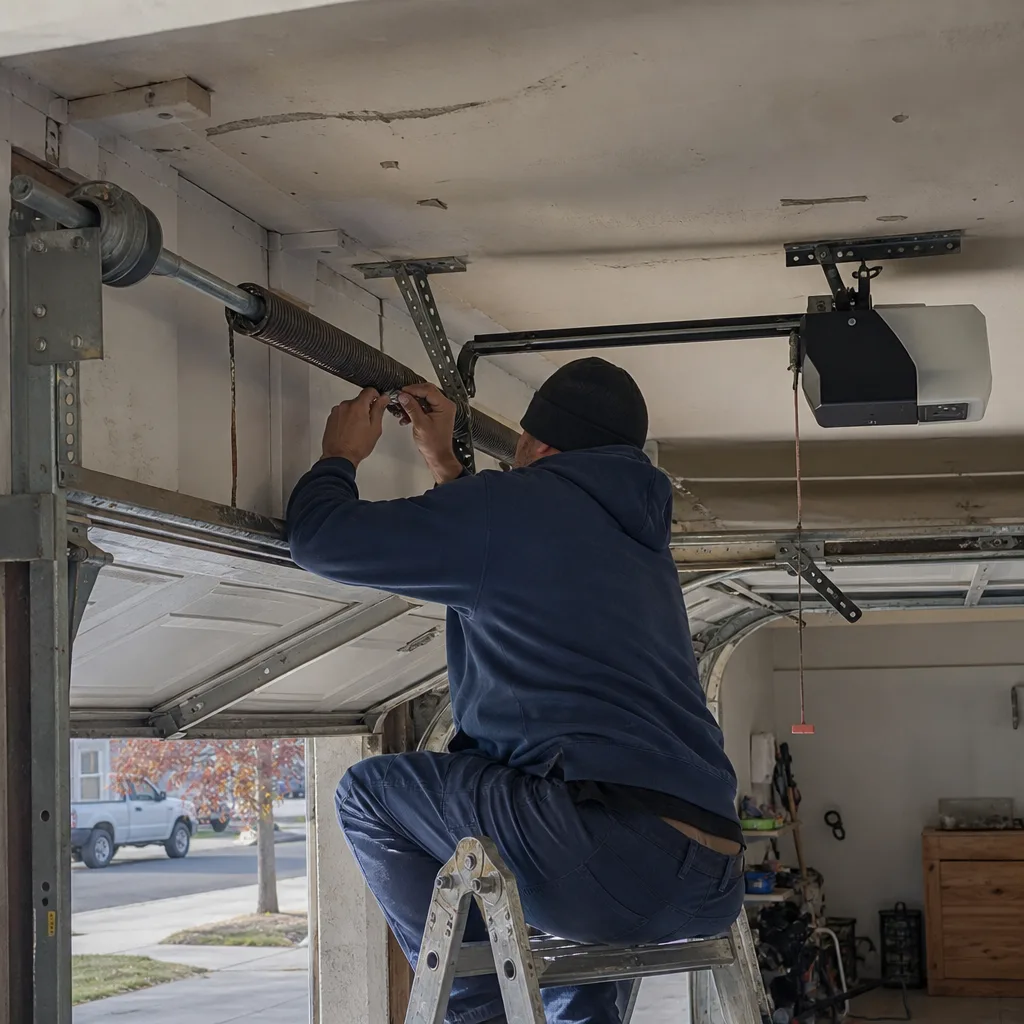 Before
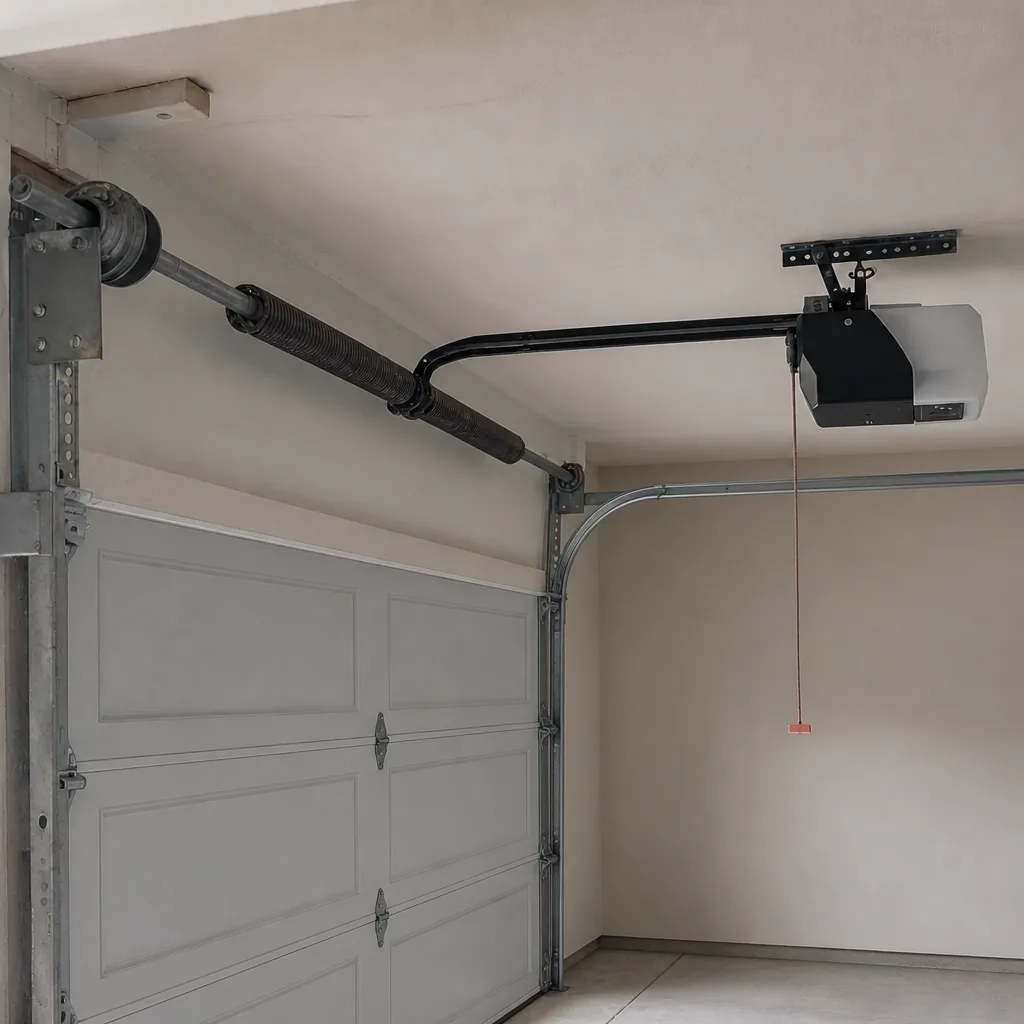 After
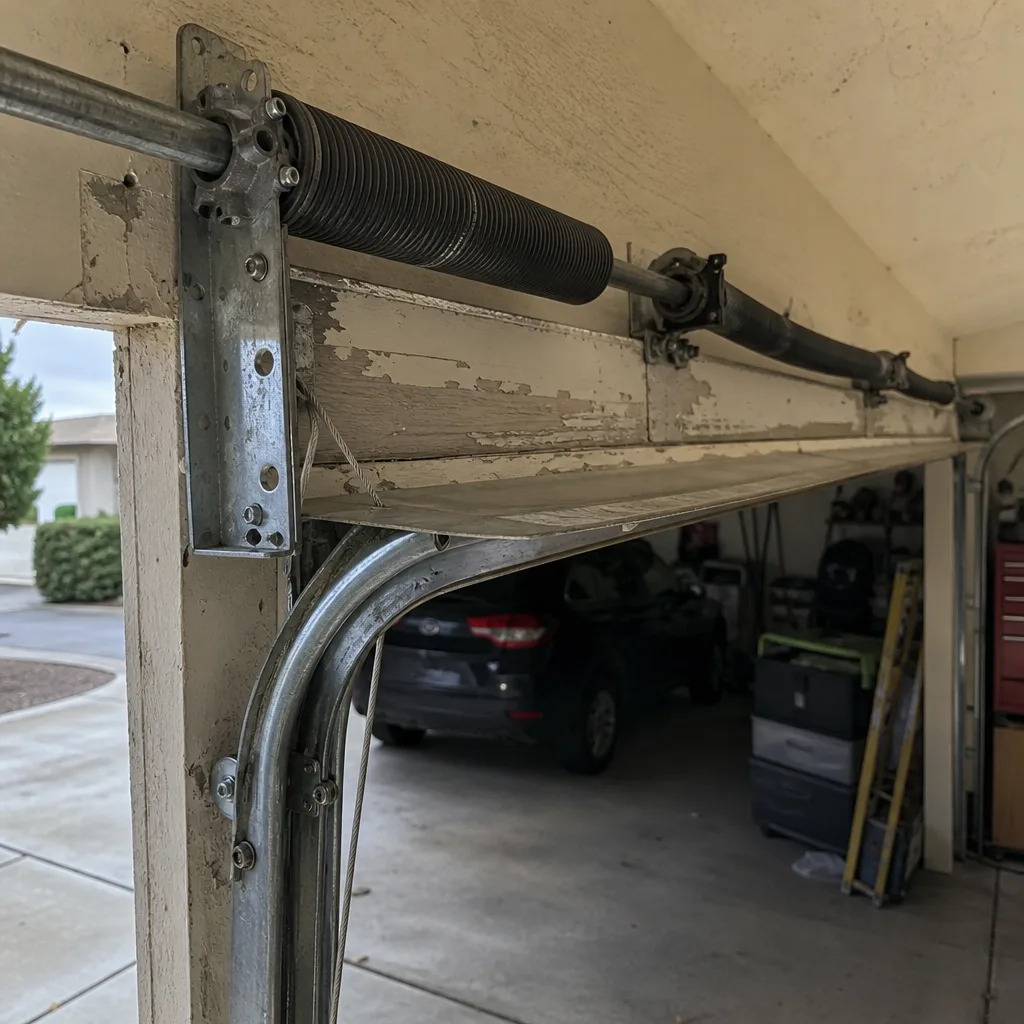 Before
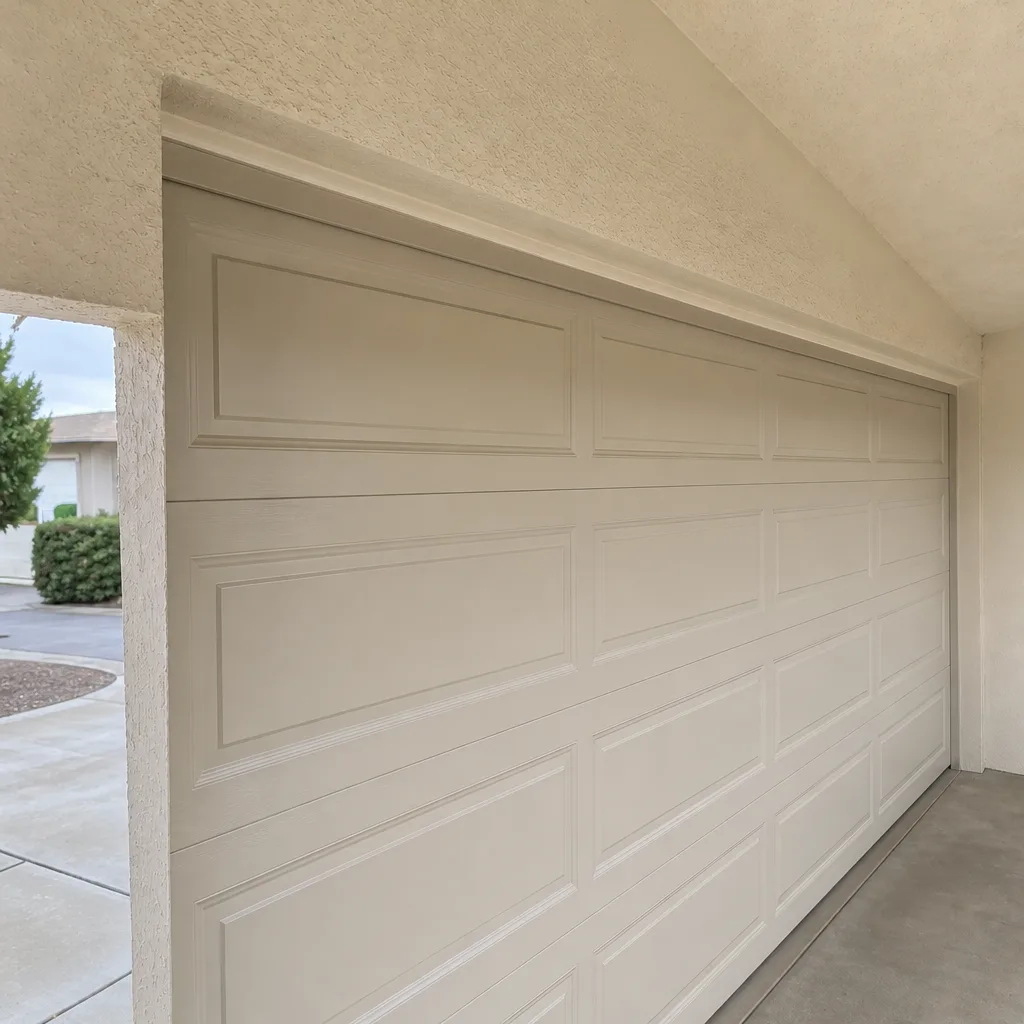 After
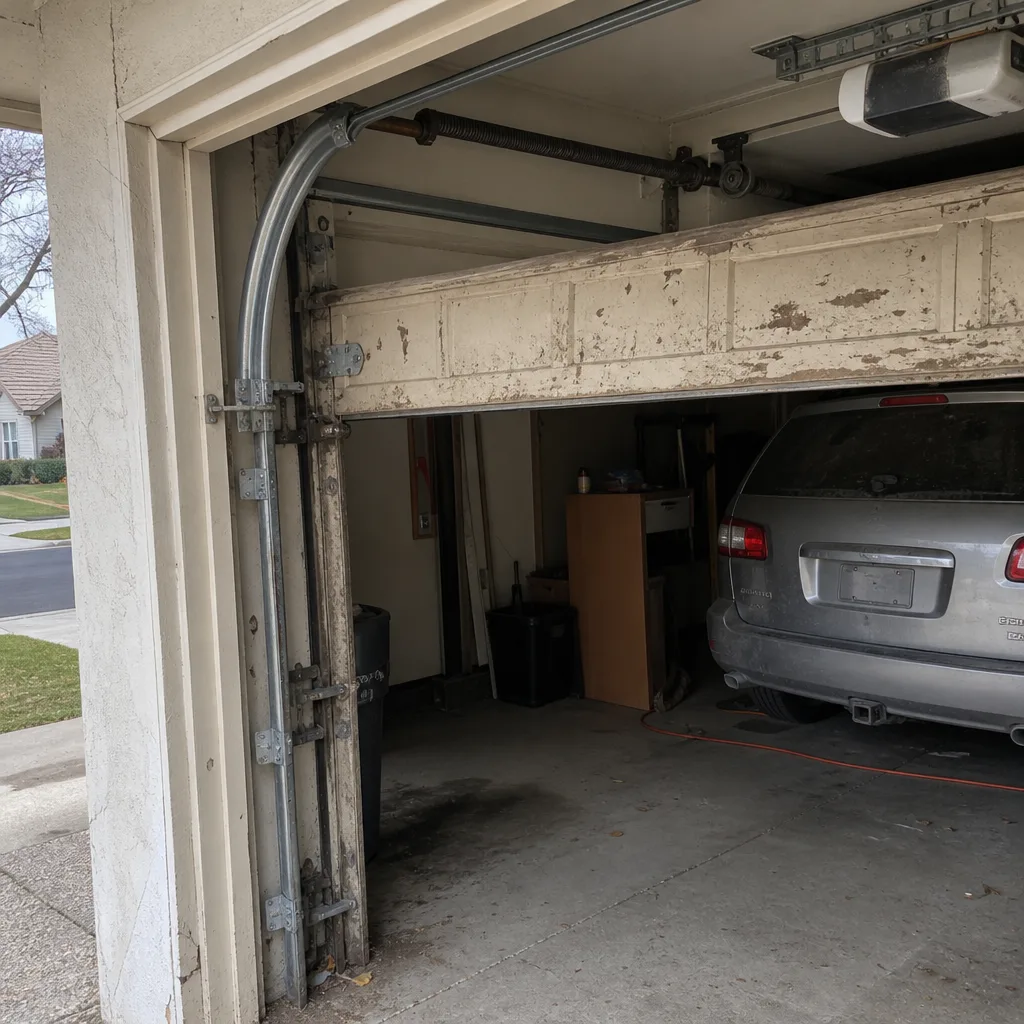 Before
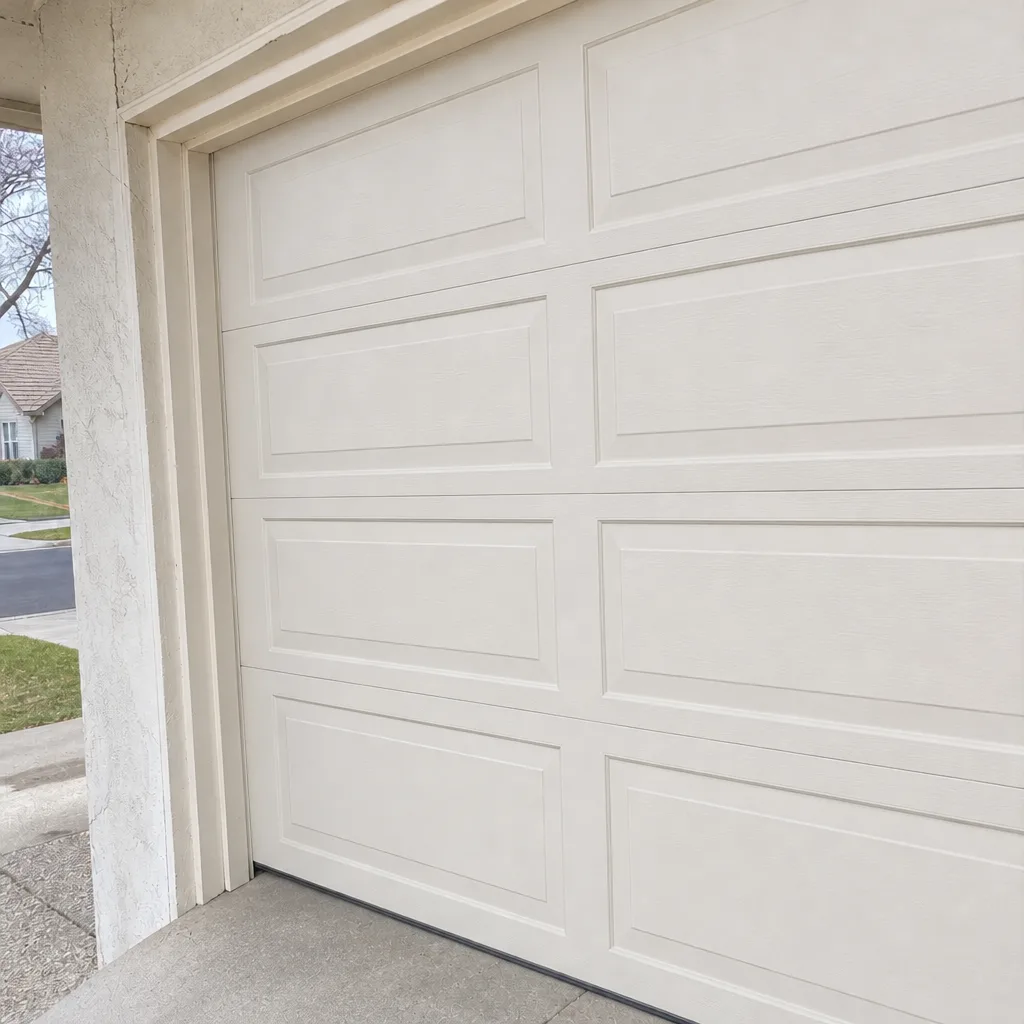 After
Frequently Asked Questions
A basic inspection and lubrication service in Roseville typically runs $75 to $150, while spring replacement with labor runs $190 to $350 depending on the spring size and door weight. If you’re doing maintenance yourself, budget about $20 per year for silicone lubricant and weatherseal materials. Call (855) 362-1465 for an exact quote on any garage door repair in Roseville; estimates are free.
Every 4 months, not the standard 6. Roseville’s summer heat causes lubricant to thin and migrate off metal faster, so schedule lubrication in March, July, and November. Use a silicone-based spray on springs, hinges, and rollers, and a thin lithium grease on the opener rail only.
Yes. Pull the emergency release cord, lift the door to waist height, and let go. If it holds position, the springs are balanced. If it drops or rises, there’s a spring tension problem. The test itself is safe; repairing spring tension is not. If the door fails, call a professional.
A broken torsion spring sounds like a gunshot or a loud bang from inside the garage, often followed by the door crashing down if it was open. If you hear this, don’t use the door or the opener again until a technician has inspected it. The remaining spring, or the opener motor, is now carrying the full door weight.
Heat causes lubricant breakdown, metal expansion, and interference between the door and its frame. Roseville homes with south-facing or west-facing garages are most affected. If the opener strains more in July than it does in January, the first thing to check is lubrication and balance. A door that’s even slightly out of balance makes the opener work much harder when temperatures rise.
Spring life is measured in cycles, not years. A typical 10,000-cycle spring lasts 7 to 9 years in a two-car household, but Roseville’s climate doesn’t shorten spring life directly. What shortens it is neglect: under-lubrication in summer, ignored balance problems, and continued operation after a spring starts to fatigue. Regular maintenance extends spring life by preventing the conditions that cause early failure.
The Bottom Line
Garage door maintenance in Roseville means adapting two things: the schedule and the products. Lubricate every 4 months with silicone spray, not twice a year with grease. Check the balance test quarterly and the spring wind count annually. Inspect weatherseals for dust, not just water, and pay close attention after January’s freezing fog. Most door failures we see in Roseville could have been caught months earlier with a ten-minute quarterly check. If something seems off and you’re not sure what to do next, Garage Door Repair in Roseville from Wright covers doors, openers, and full installations. For opener-specific problems, see our Garage Door Opener Repair in Roseville page. And if the door has reached the end of its life entirely, Garage Door Installation in Roseville covers replacement from start to finish. Call (855) 362-1465 any time with questions about your specific door, opener, or spring setup.
Written by the team at Wright Garage Door Repair, serving Roseville since 2017. For more guides & resources, visit our blog.