
Last updated October 30, 2026
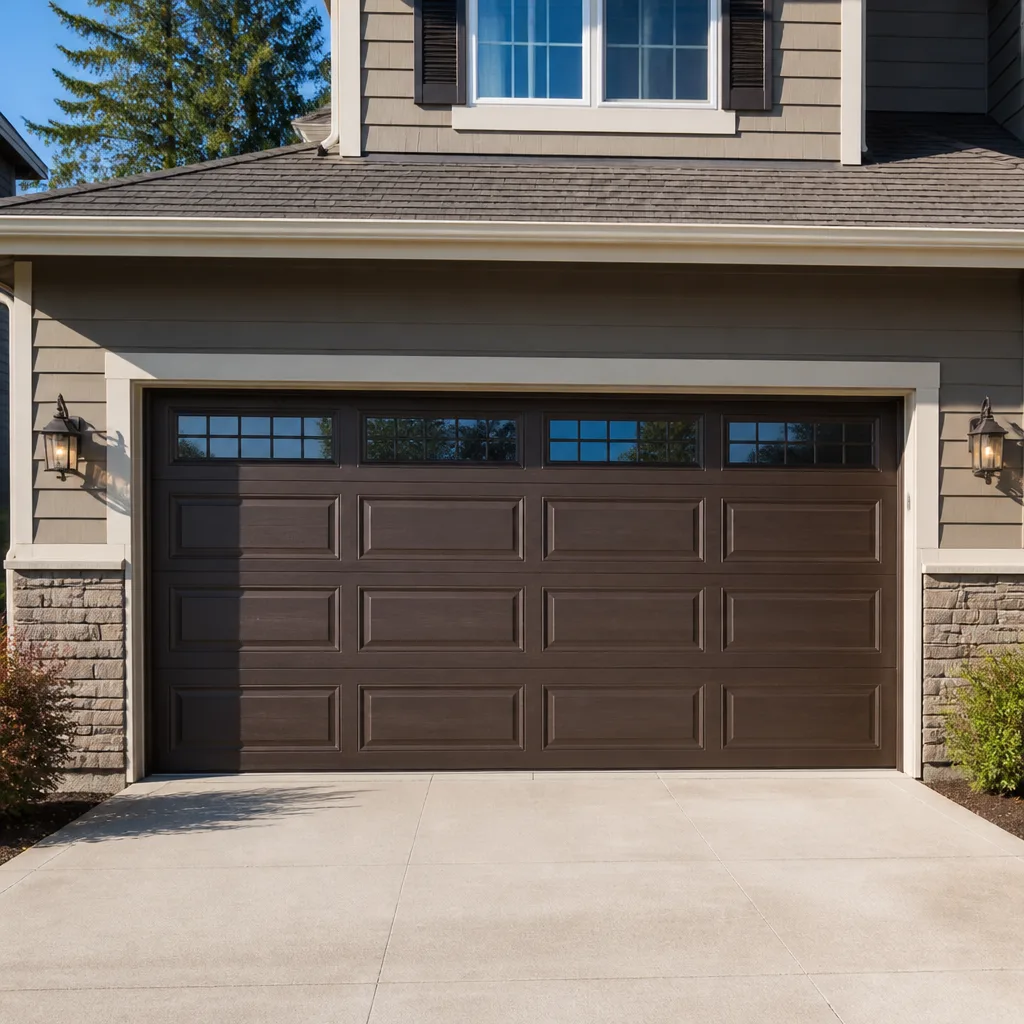 Raised-panel steel
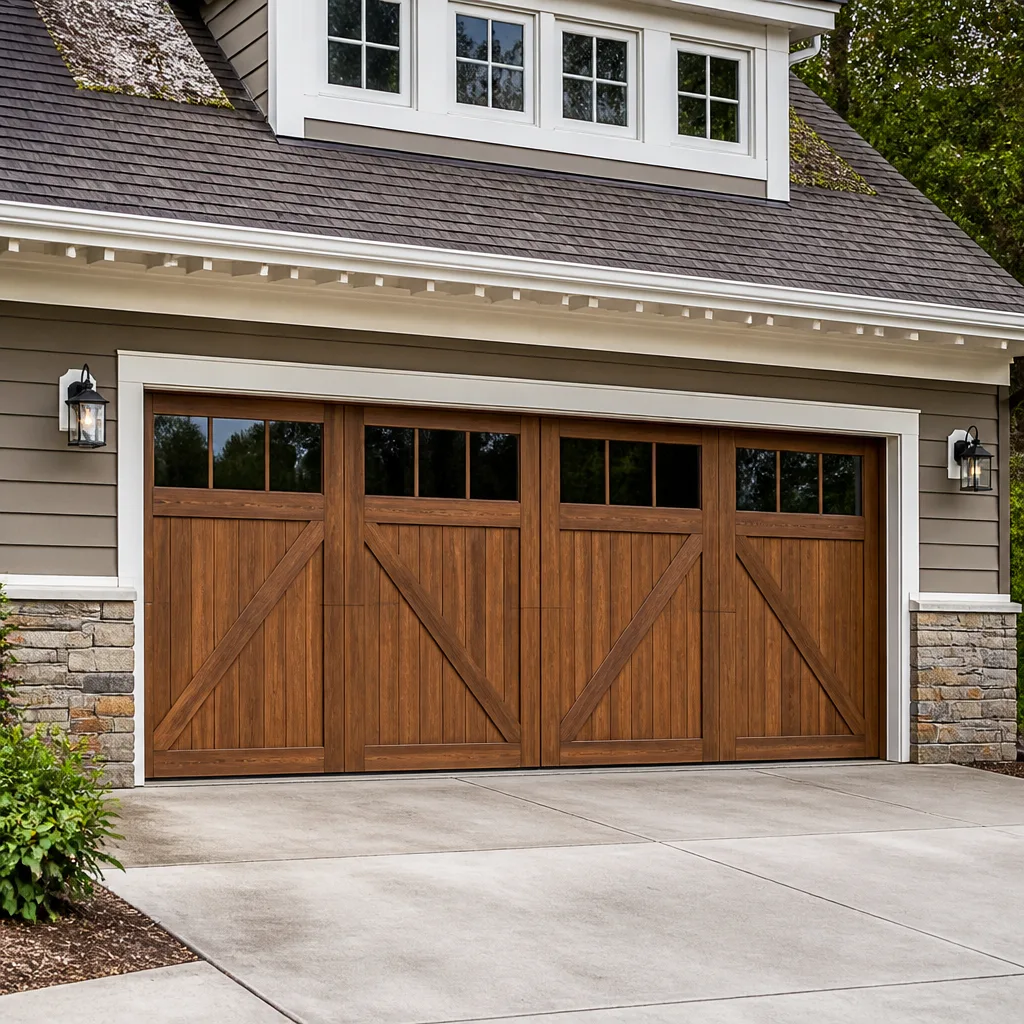 Carriage house
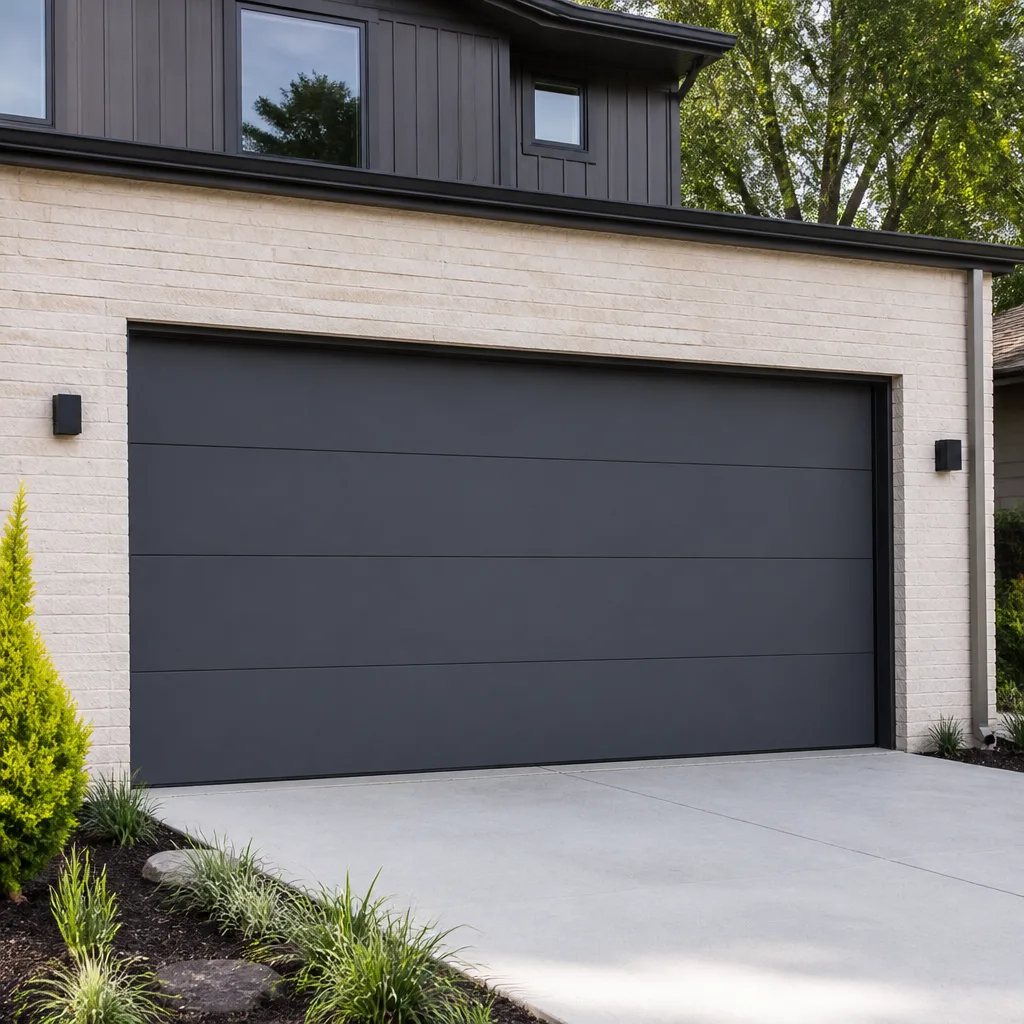 Modern flush
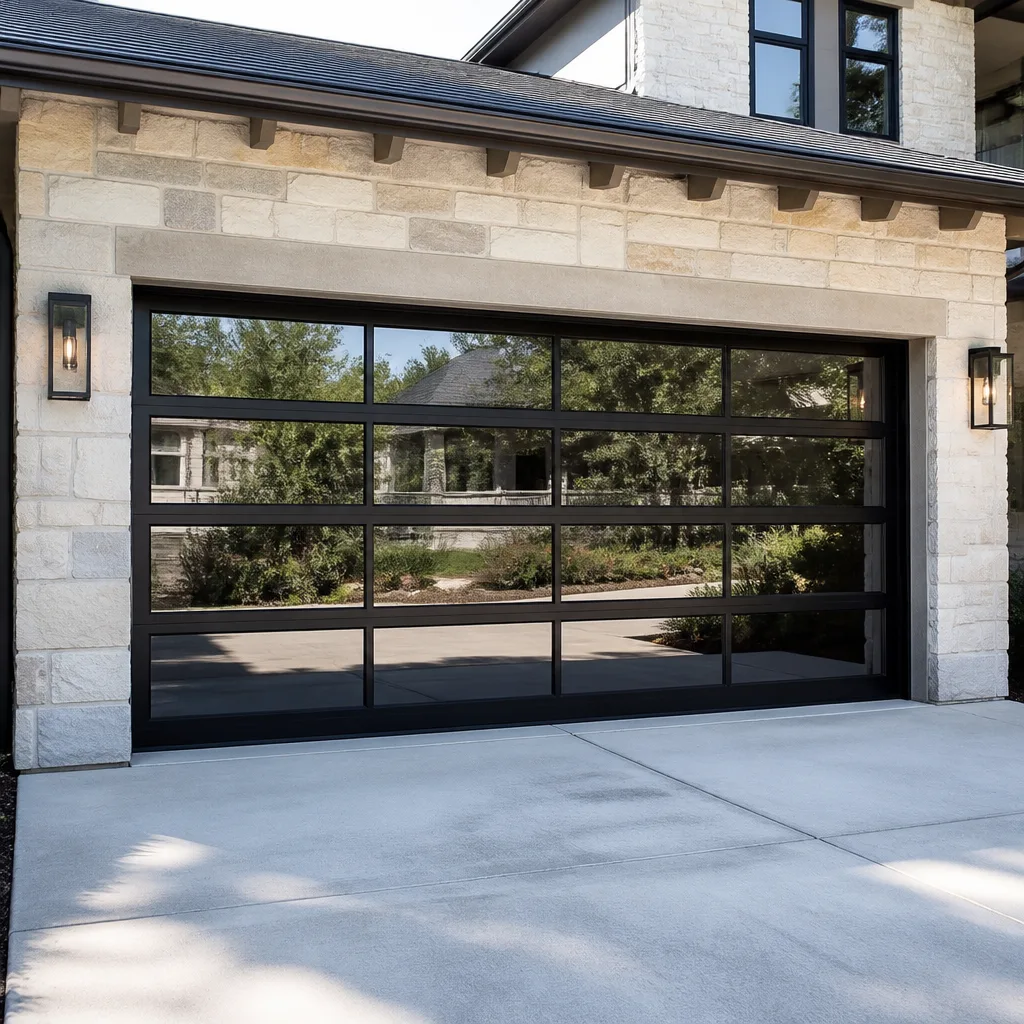 Full-view glass
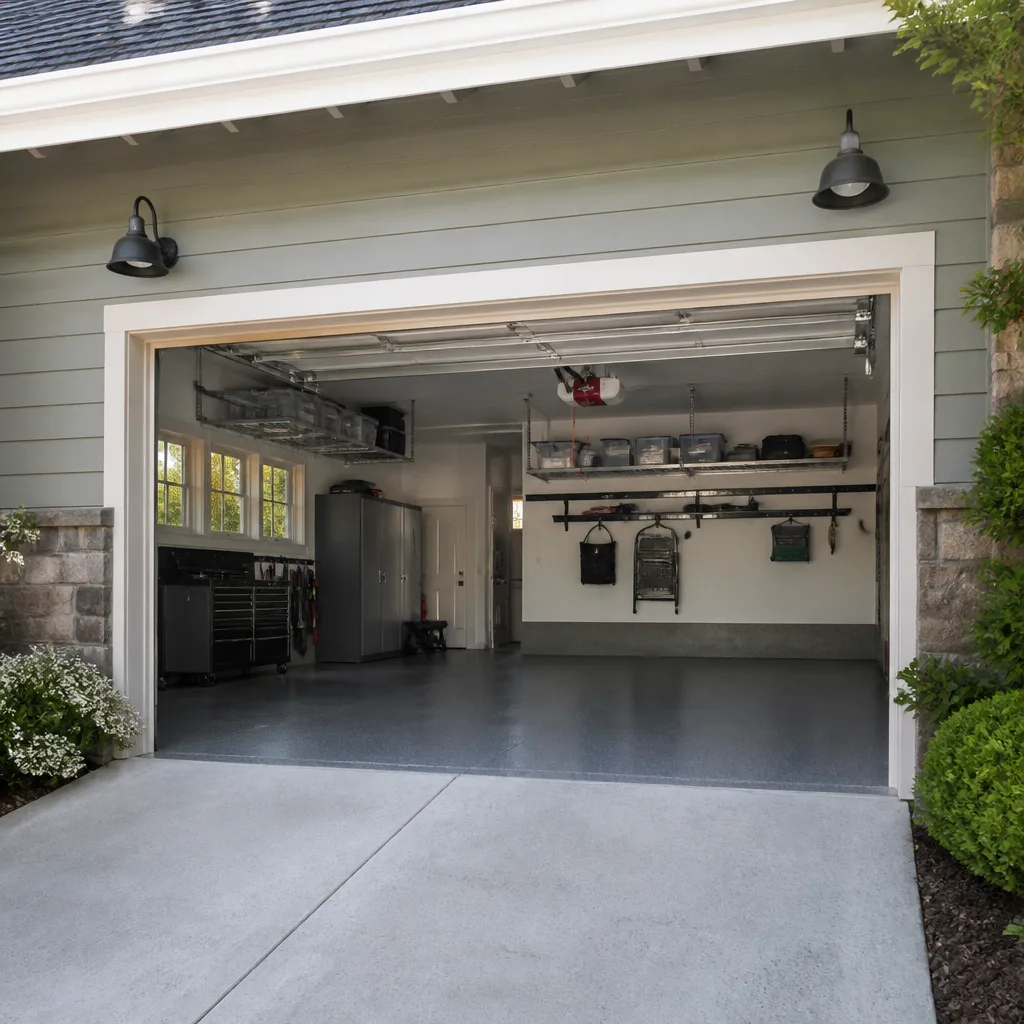 LiftMaster openers
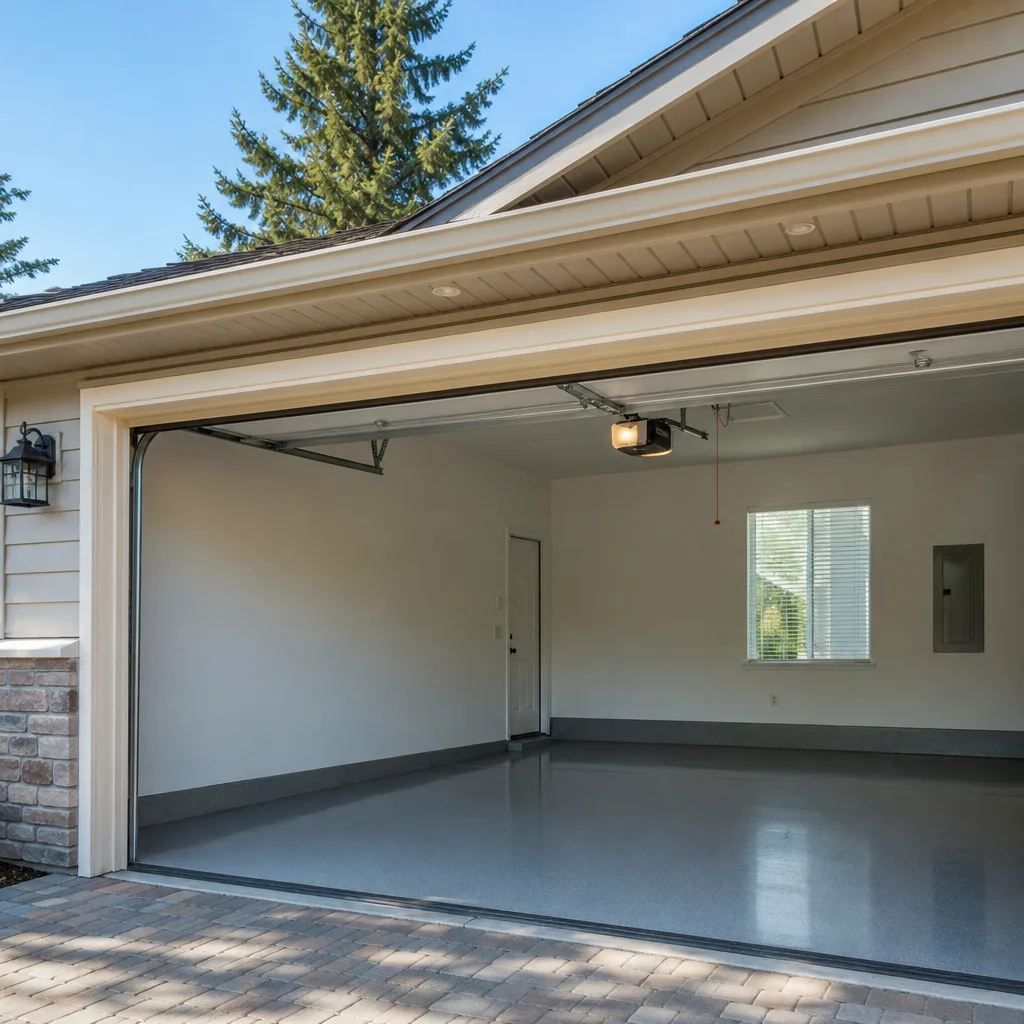 Chamberlain openers
Full 25-point door and opener safety check with every visit - springs, cables, rollers, tracks, and your LiftMaster or Chamberlain opener included
You get a price before we start. It does not change when the truck arrives.
Get your free estimateHow to Hire a Garage Door Contractor in Roseville: A Step-by-Step Guide
Search “garage door repair Roseville” and you’ll find something surprising: several companies that appear local are actually run out of Sacramento, Elk Grove, or even out of state. They buy local search ads, answer with a Roseville-sounding name, and dispatch whoever is available that day. That technician may have never touched a Clopay door or a LiftMaster opener before pulling into your driveway. Hiring the right contractor in Roseville isn’t about picking the first name that shows up. It’s about filtering out three very different types of operators: legitimate specialists, general handymen moonlighting in doors, and lead-generation sites with no physical presence here at all. This guide walks you through the exact steps to tell them apart before anyone steps onto your property in Roseville, and you can find more guides & resources on our blog.
Styles & brands we work with
- Raised-panel steel
- Carriage house
- Modern flush
- Full-view glass
- LiftMaster openers
- Chamberlain openers
Quick Answer
To hire a garage door contractor in Roseville, verify their California contractor license (C-61/D28 classification) on the CSLB website, ask which door and opener brands they service regularly, require a written quote with specific line items before work begins, and confirm whether they carry parts for your system or need to order them. Skip any contractor who gives a vague estimate over the phone without seeing the door, charges a “diagnostic fee” that mysteriously turns into a required repair, or cannot name the brand of spring your current door uses.
Table of Contents
- Understanding the Roseville Garage Door Market
- Step 1: Verify the California Contractor License
- Step 2: Check Brand Familiarity Before You Book
- Step 3: Ask About Parts Sourcing
- Step 4: Read the Quote Like a Contract
- Step 5: Compare Two Legitimate Quotes Side by Side
- Step 6: Confirm the Warranty Terms in Writing
- Common Mistakes to Avoid
- When to Call a Professional
- Frequently Asked Questions
- The Bottom Line
Understanding the Roseville Garage Door Market
Roseville has a housing mix that shapes the kind of garage door work homeowners need. West Roseville neighborhoods like Westpark and Fiddyment Farm have thousands of homes built since 2005, many with original torsion spring systems and chain-drive openers now approaching the end of their service life. Older neighborhoods near downtown Roseville and along Douglas Boulevard have doors from the 1980s and 1990s, often Wayne Dalton or older Craftsman units, some with extension spring systems that newer homes don’t use. That local mix means the contractor you hire should recognize the difference between a torsion spring on a 2012 Clopay door in Westpark and an extension spring on a 1993 Wayne Dalton door near Royer Park, as covered in our Seasonal Garage Door Care for Roseville: Year-Round Homeowner’s Guide. A generalist who works mostly on newer construction may not have encountered the older hardware patterns.
The Roseville climate adds another layer. Summer temperatures routinely cross 100 degrees, and that heat accelerates spring fatigue. Metal expands, lubrication thins, and nylon rollers wear faster than they would in a coastal market. If a contractor tells you your springs should last 10 years without accounting for Roseville’s summer temperature swings, they’re quoting a national average, not local reality. We’ve seen doors in Roseville neighborhoods need spring replacement after 6 or 7 years when they’re used multiple times daily in high heat. A knowledgeable contractor will mention heat as a factor, not just use cycles.
You’ll also encounter contractors who don’t know Roseville’s permitting requirements. For most residential garage door replacements and spring repairs, Roseville does not require a city permit. But if you’re modifying the door opening size or changing from a standard panel door to a custom configuration, you may need approval through Placer County building codes. A contractor who confidently tells you “no permit needed” on a standard swap is right. One who says that on a structural modification hasn’t done this work in Roseville before.
Step 1: Verify the California Contractor License
Garage door work in California falls under the Contractors State License Board (CSLB) classification C-61/D28, which covers “door and window installation” as a limited specialty. Verifying a license takes under two minutes and eliminates the biggest category of bad actors in the Roseville market: unlicensed handymen who quote low and then either disappear mid-job or leave you with no recourse when the repair fails.
Here’s the exact process:
- Go to the CSLB website (cslb.ca.gov) and click “Check a License.”
- Enter the contractor’s name or license number. A legitimate company will have the license number printed on their website, their truck, and their business cards.
- Confirm the license status says “Active” and the classification includes C-61/D28. A license with a different classification, like C-15 flooring or C-36 plumbing, does not cover garage door work.
- Check the license issue date. A license issued three months ago with no workers’ compensation coverage listed is a red flag. Established expertise shows up as a license that’s been active for years.
- Look for complaints or disciplinary actions. The CSLB publishes these. A contractor with multiple recent complaints about the same type of work should be crossed off your list.
The license verification also tells you whether the contractor carries workers’ compensation insurance for employees. If a worker gets injured on your Roseville property and the contractor doesn’t have coverage, that liability can fall on your homeowner’s insurance. This isn’t a theoretical concern. We’ve heard from Roseville homeowners who discovered after the fact that the “contractor” they hired was actually an unlicensed subcontractor working under someone else’s name.
Step 2: Check Brand Familiarity Before You Book
There’s a meaningful difference between a factory-authorized dealer, a factory-trained independent, and an uncredentialed generalist. The distinction matters for warranty coverage on parts and for the speed of diagnosis.
Here’s what each means in practice:
- Factory-authorized dealer: Has a formal agreement with one or more manufacturers. They have access to training programs, technical support lines, and dealer-only parts networks. If your door is under manufacturer warranty, an authorized dealer can typically file warranty claims directly.
- Factory-trained independent: Has completed manufacturer training courses but doesn’t carry a dealership agreement. They can source OEM parts through distribution channels but may not have direct warranty filing access. Their expertise is often excellent, especially when they specialize in multiple brands rather than one.
- Uncredentialed generalist: May be a skilled handyman, but has no formal brand training. They buy parts from retail suppliers, may use aftermarket components of inconsistent quality, and typically can’t access warranty coverage on brand-name parts.
You don’t need to interrogate a contractor with a checklist. Ask one simple question: “What brands do you work on most?” Listen for specificity. A contractor who says “all of them” without naming a single brand is giving you a non-answer. One who says “mostly LiftMaster and Genie openers, and we see a lot of Clopay and Amarr doors in Roseville” is telling you something real about their experience.
This matters for a practical reason. When a technician arrives already familiar with your door’s specific hardware pattern, the diagnosis takes half the time and the repair is less likely to require a second visit. A Wayne Dalton door uses a different torsion spring setup than a Clopay door. A Craftsman opener from 2008 has different failure points than a Chamberlain from 2019. Generic knowledge gets the door open; brand-specific knowledge gets it fixed correctly the first time.
Step 3: Ask About Parts Sourcing
The parts your contractor uses determine how long the repair lasts. There are two primary sourcing paths, and the difference is significant.
OEM parts come from the original equipment manufacturer. A genuine LiftMaster logic board, a Clopay torsion spring made to Clopay’s specifications, an Amarr bottom seal manufactured to Amarr’s tolerances. These parts carry manufacturer warranty coverage, and when a contractor installs them, the warranty is typically valid.
Aftermarket parts are made by third-party manufacturers. Some aftermarket torsion springs are perfectly good. Many are not. The problem is that you, as a homeowner, cannot tell the difference. A spring that costs $18 versus $42 looks identical on the truck. The difference shows up a year later when the cheaper spring fatigues early because the steel didn’t have the right tempering.
Some brands have dealer-only parts distribution. Certain Wayne Dalton components are not available through open retail channels. Same with specific Raynor hardware. If a contractor doesn’t have dealer access for your brand, they’ll substitute aftermarket parts and hope you never notice.
Ask the direct question: “Do you use OEM parts for spring replacement?” If the answer is anything other than “yes, unless you specifically request otherwise,” dig further. A contractor who installs aftermarket springs as their default practice is cutting their own cost, not yours.
At Wright Garage Door Repair, we work with eight brands regularly: LiftMaster, Chamberlain, Genie, Clopay, Amarr, Wayne Dalton, Craftsman, and Raynor. That multi-brand familiarity means we source the right OEM part for your specific door, not whatever generic component is on the truck that day. It’s the difference between a fix that lasts and a fix that buys a year.
Step 4: Read the Quote Like a Contract
A written quote reveals more than the price. It tells you whether the contractor respects you enough to explain what they’re actually doing. Roseville homeowners should recognize these red flags before signing anything.
Flat-rate “service call” fees that spike after diagnosis. A $29 or $49 service call fee is common and reasonable. What’s not reasonable is a service call fee plus a “diagnostic fee” plus a “labor assessment fee” all showing up as separate line items. The diagnosis is the service call. You should pay one fee for the visit, which is typically waived if you approve the repair.
Vague line items like “hardware adjustment.” What hardware? What adjustment? A legitimate quote lists specifics: “replace left torsion spring, 243x2x28 inch, OEM Clopay part” or “rebalance door after spring replacement.” Vague language is room for the final invoice to grow.
Refusal to provide a written estimate. In California, contractors must provide a written contract for home improvement projects over $500. But many garage door repairs fall under that threshold, which is exactly why some contractors use it as an excuse for verbal-only agreements. A legitimate contractor will write down the scope and price on request, even for a $200 spring replacement. If they won’t, don’t hire them.
The quote should also state clearly:
- The exact work being performed
- Parts being used, with brand names where applicable
- The completed price, including all fees
- Warranty terms on labor and parts
- The estimated completion timeline
You should know the final number before work starts. At Wright Garage Door Repair, the price is quoted and agreed before we touch anything. You approve the number, then we do the work. There’s no scenario where you’re surprised at the end. If a contractor tells you they’ll “figure out the total as they go,” that’s a walk-away signal.
Step 5: Compare Two Legitimate Quotes Side by Side
You’ve verified licenses, asked about brands, and received written quotes from two contractors who both seem legitimate. One quote is $80 higher than the other. How do you decide?
Look beyond the bottom line to the actual line items. Here’s a comparison framework that works:
- Are the parts identical? One quote might use OEM torsion springs at $95 per spring. The other might use aftermarket springs at $38 per spring. That $57 difference per spring adds up, but the cheaper quote is not actually cheaper in the long run. An aftermarket spring that fails in 4 years costs you another service call and another spring. An OEM spring that lasts 8 years doesn’t.
- Is the scope identical? A quote for “replace spring” at $190 and a quote for “replace spring, rebalance door, inspect cables and rollers” at $260 are not comparable. The higher quote includes work that prevents the next failure. The lower quote leaves you with a new spring on a door that still has worn rollers and unbalanced weight distribution.
- Does one quote include the service call fee and the other doesn’t? Some contractors quote a repair price and then add the service fee on top. Others roll the service fee into the quote. The only honest comparison is the out-the-door total.
- What does the warranty cover? A one-year labor warranty is not the same as a five-year parts-and-labor warranty. If the higher quote includes a longer warranty, you’re paying for insurance against a repeat failure.
- When can they do the work? A contractor who can be there tomorrow at 9am has a different operational reality than one who schedules you three weeks out. Both may be legitimate, but if your door won’t close and your car is trapped inside, availability matters.
Here’s the acid test: if you’re standing in the driveway and the garage door won’t open, what are you actually paying for? Speed, correctness, and a repair that doesn’t fail again. The lowest quote that uses aftermarket parts and vague scope is the most expensive option in the long run, as explained in The Complete Garage Door Repair Guide for Roseville Homeowners.
Step 6: Confirm the Warranty Terms in Writing
Warranty terms are where honest contractors distinguish themselves from everyone else. But “warranty” is also a word that gets thrown around loosely, and Roseville homeowners should know exactly what they’re getting.
There are three distinct warranty layers on any garage door repair:
- Manufacturer parts warranty: OEM parts typically carry some form of manufacturer warranty. A genuine LiftMaster opener motor might carry a lifetime warranty on the motor itself. A Clopay torsion spring might carry 2 to 5 years depending on the spring cycle rating. The manufacturer backs the part, but only if it was installed correctly.
- Contractor labor warranty: This covers the installation work itself. If the contractor installed the spring incorrectly and it fails, the labor warranty covers the reinstallation. Labor warranties range from 30 days to 5 years or more, and the range matters. A contractor who offers 30 days on labor is telling you they don’t trust their own work. One who offers multiple years is putting their reputation where their hands are.
- Parts-and-labor combined warranty: The strongest option. If the part fails and the labor needs to happen again, everything is covered. This is what you want on spring replacements, which are the highest-wear repair on any garage door.
Get the warranty terms on the written quote. Not a verbal promise on the driveway, not a “we’ll take care of you” handshake. If the contractor won’t put warranty terms in writing, assume there are no warranty terms.
Also ask whether the warranty transfers if you sell your Roseville home. Some contractors offer transferable warranties, which is a selling point when you list the house. Others don’t. If you’re planning to sell within the next few years, a transferable warranty on a new door installation or opener replacement is worth asking about.
We’ve also seen Roseville homeowners save money by understanding which repair scenarios are worth paying more upfront. Our Garage Door Repair in Roseville guide covers the most common failure points and what each repair should cost in this market.
Common Mistakes to Avoid
- Hiring based on the first Google ad. The top search result in Roseville is often a lead-generation company that rents local phone numbers and forwards your call to whoever pays the referral fee. Scroll past the ads and look at the organic listings, which reflect actual local presence.
- Skipping the CSLB check because “the guy seemed nice.” Niceness is not a license. A two-minute license check eliminates unlicensed operators and confirms the proper C-61/D28 classification for garage door work.
- Accepting a phone quote as final. A technician who quotes a spring replacement over the phone without seeing the door is guessing. The final number almost always changes when they arrive. Get a written quote after an in-person assessment.
- Choosing the lowest bid on a spring replacement. A $160 spring job uses parts that cost around $15 each. A $300 spring job uses OEM springs rated for the right cycle count. The cheaper quote is more expensive when it fails early.
- Not asking which brands the contractor services. A technician unfamiliar with your specific door brand spends the first hour on a learning curve you’re paying for. Ask upfront which brands they work on regularly.
- Paying the full amount before the work is done. Reputable contractors in Roseville take payment upon completion. If someone asks for full prepayment on a standard repair, that’s a warning sign.
- Ignoring the permit question entirely. Standard repairs and replacements don’t need permits in Roseville, but structural modifications might. A contractor who can’t answer the permit question accurately doesn’t understand the local rules.
When to Call a Professional
Some garage door issues are safe to inspect on your own. Others are not. If your door is off its tracks, has a broken cable, or you have a torsion spring that snapped, do not attempt a repair yourself. Torsion springs are under extreme tension. A spring that releases unexpectedly can cause serious injury. Same with cables under load. These are professional-only repairs, and the cost of hiring a qualified contractor is nothing compared to the risk of a DIY attempt gone wrong.
You should also call a professional when the door moves unevenly, makes grinding noises that persist after basic lubrication, or the opener runs but the door doesn’t move. These symptoms indicate a mechanical problem that requires diagnosis, not guesswork. For opener-specific issues where the motor hums but nothing moves, see our Garage Door Opener Repair in Roseville page for detailed guidance. Wright Garage Door Repair offers free estimates in Roseville – call (855) 362-1465.
Frequently Asked Questions
Garage door repair in Roseville typically runs $150 to $450 depending on the repair. A spring replacement runs $250 to $400 including parts and labor for a standard double-door torsion spring setup. A cable replacement runs $150 to $250. A panel replacement runs $350 to $700 depending on the door brand and panel type. Opener repairs run $125 to $350, with full opener replacement at $450 to $900 installed. Call (855) 362-1465 for an exact quote after an in-person assessment – estimates are free.
Go to the CSLB website, click “Check a License,” and enter the contractor’s name or license number. Confirm the license is Active with a C-61/D28 classification, which specifically covers door and window installation. Check for complaints and disciplinary actions on the same page. The full process takes under two minutes.
No, standard garage door replacements in Roseville do not require a city permit. This covers replacing a door with a similar size and configuration. If you’re modifying the door opening size or making structural changes to the garage framing, you may need approval through Placer County. A qualified contractor will tell you upfront whether your project falls under the no-permit category.
OEM parts are made by the original equipment manufacturer to the door’s or opener’s original specifications. Aftermarket parts are made by third-party manufacturers, and quality varies widely. OEM parts typically carry manufacturer warranties and last longer. Some brands, including certain Wayne Dalton and Raynor components, are only available through dealer channels, meaning a contractor without dealer access cannot source genuine parts.
A factory-trained independent can be equally skilled, especially when they work on multiple brands rather than one. The key question is whether they can access OEM parts for your specific brand and whether they carry proper warranty coverage. Ask which brands they service regularly and whether they use OEM parts as their default. If the answers are specific and confident, the technician’s credentials are likely legitimate.
It should not, if you’ve received a written quote after an in-person assessment. The price you agree to before work starts should be the price you pay. Be wary of contractors who give a phone quote without seeing the door, then add fees once they arrive. That pattern is a common complaint among Roseville homeowners. At Wright Garage Door Repair, the price is quoted and agreed before any work begins – what we quote is what you pay. Call (855) 362-1465 for a free estimate.
The Bottom Line
Hiring a garage door contractor in Roseville comes down to verification and specificity. Verify the license. Ask which brands they actually work on. Require a written quote with real line items. Compare quotes on parts quality and warranty terms, not just price. And walk away from anyone who won’t put the details in writing. The garage door is the most frequently used entrance to most Roseville homes, and a repair done wrong costs more than a repair done right the first time. For a deeper look at specific repair costs and what to expect in this market, see our Garage Door Repair in Roseville guide. If you’re considering a full door replacement instead of ongoing repairs, our Garage Door Installation in Roseville page covers everything from materials to timelines. You can also explore all our services from the Wright Garage Door Repair home page.
Written by the team at Wright Garage Door Repair, serving Roseville since 2017.
See the difference
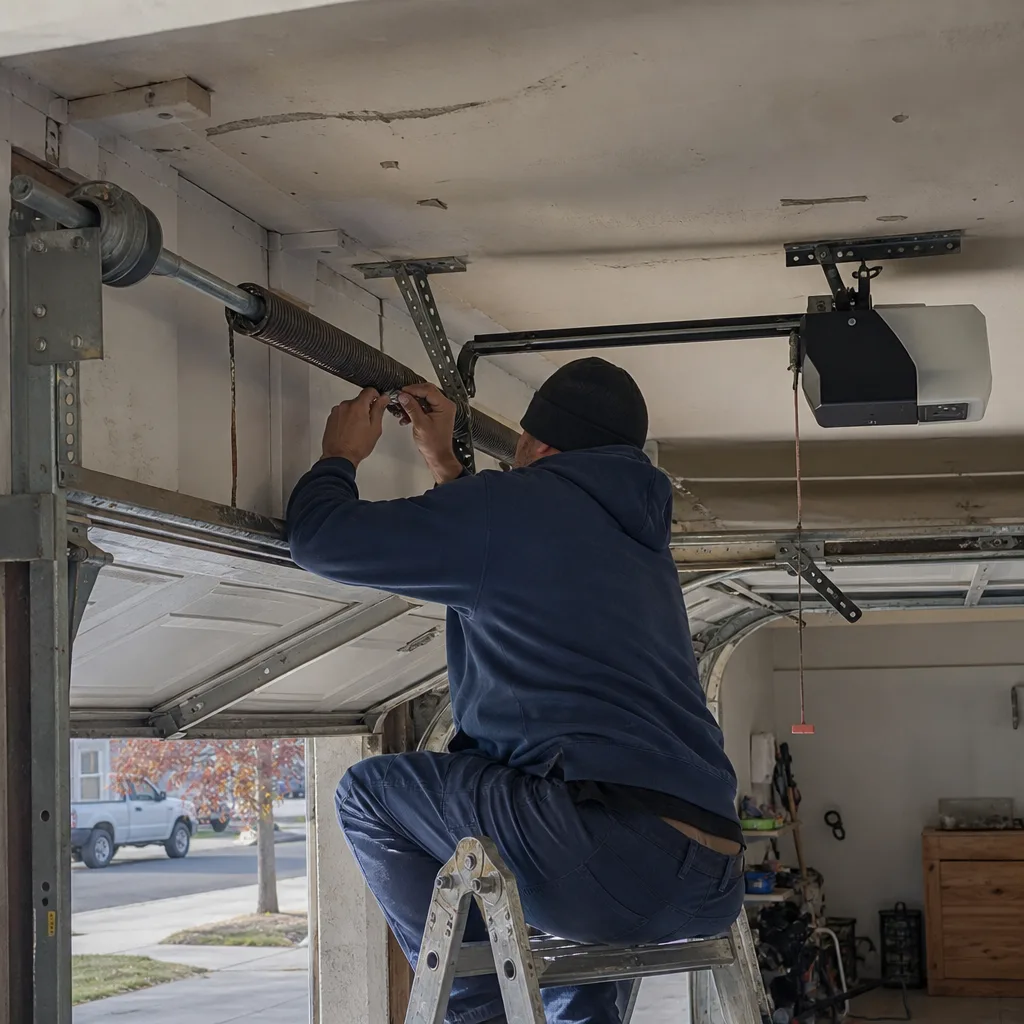 Before
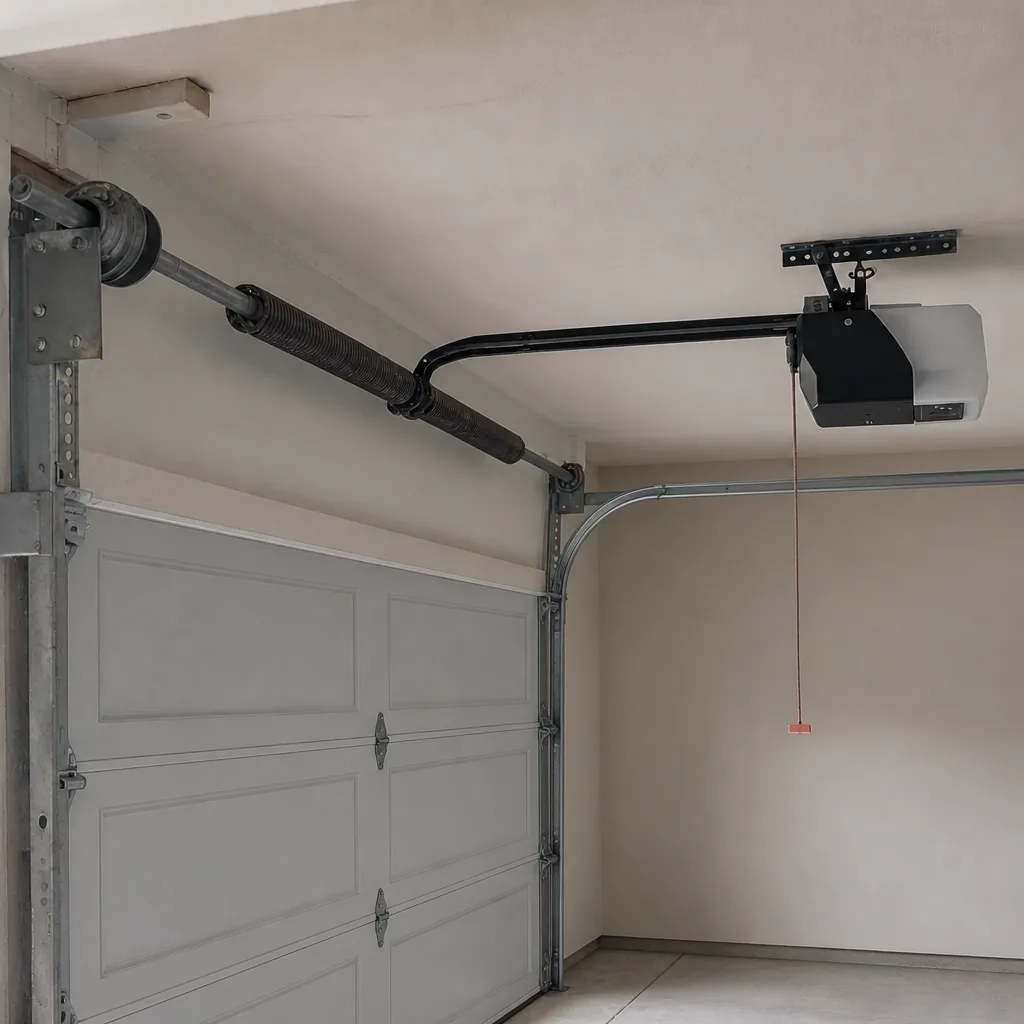 After
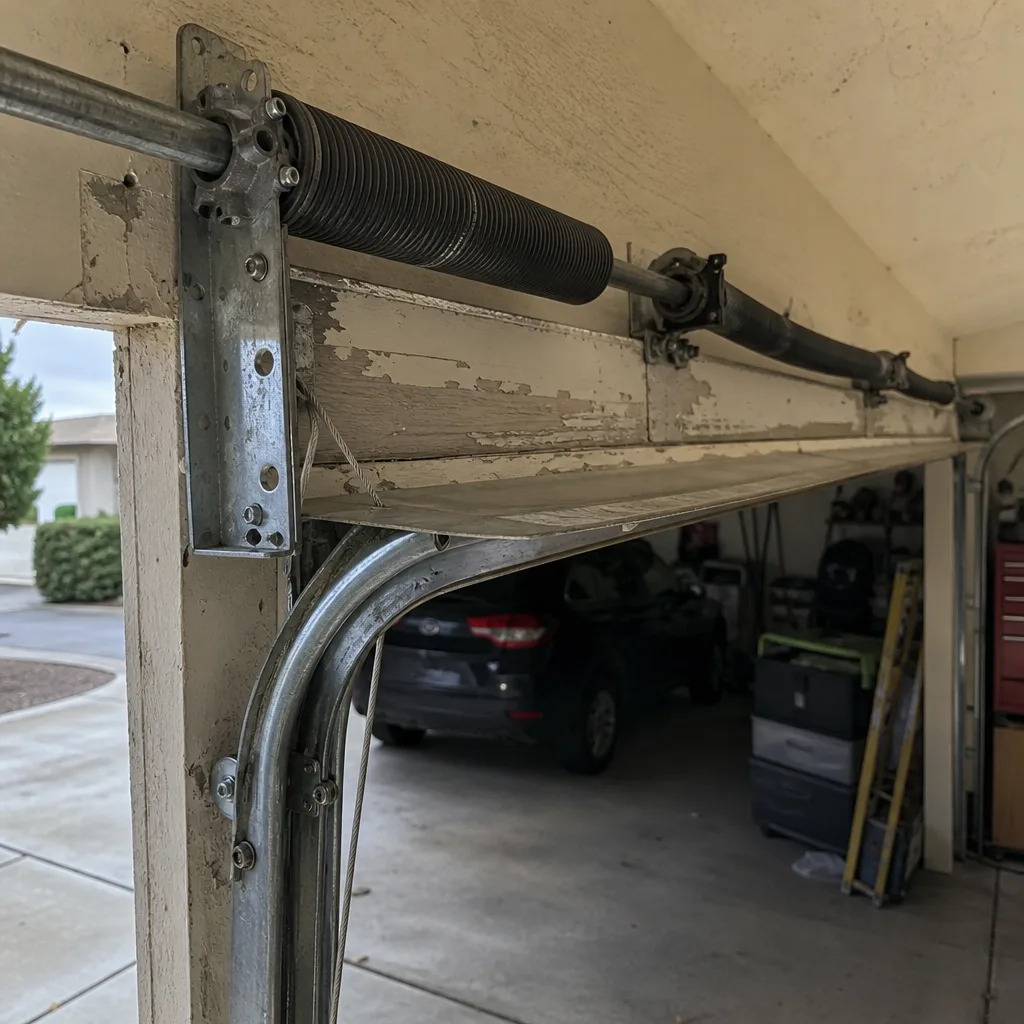 Before
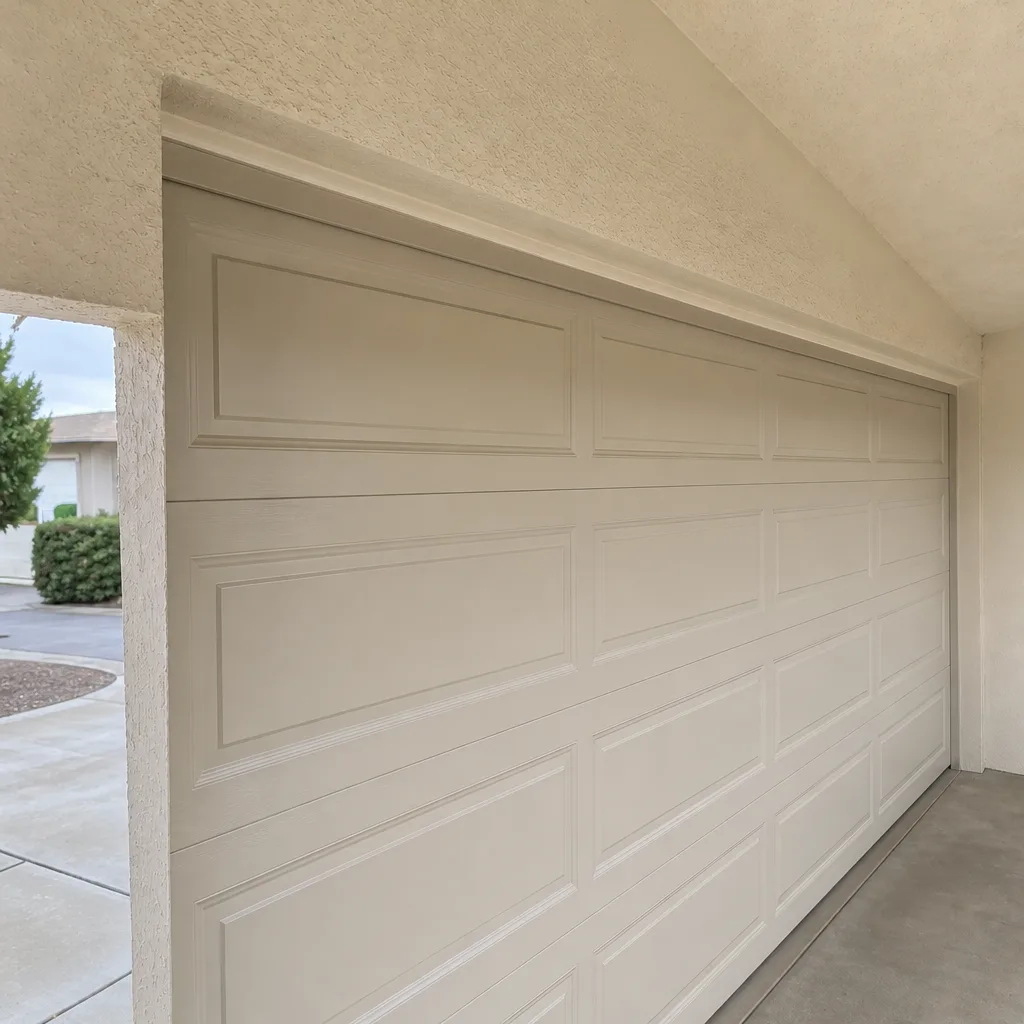 After
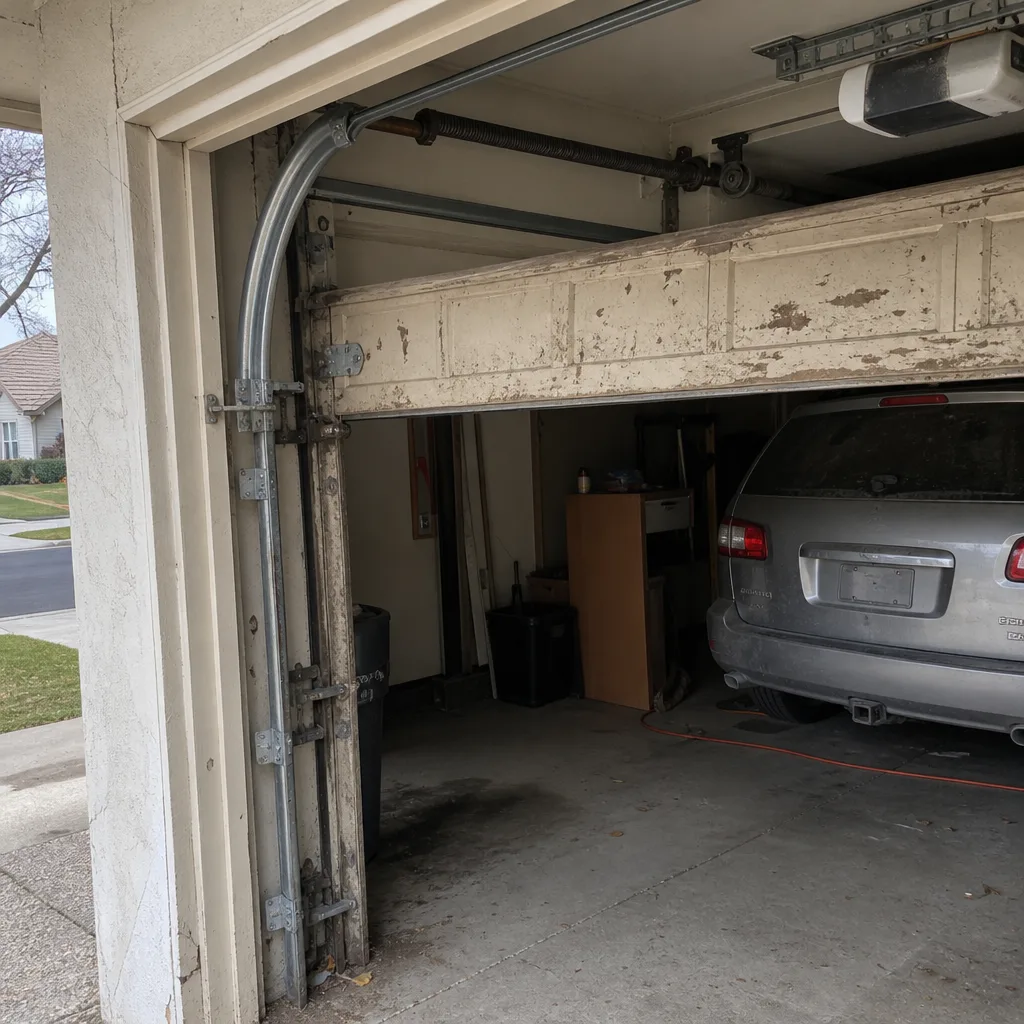 Before
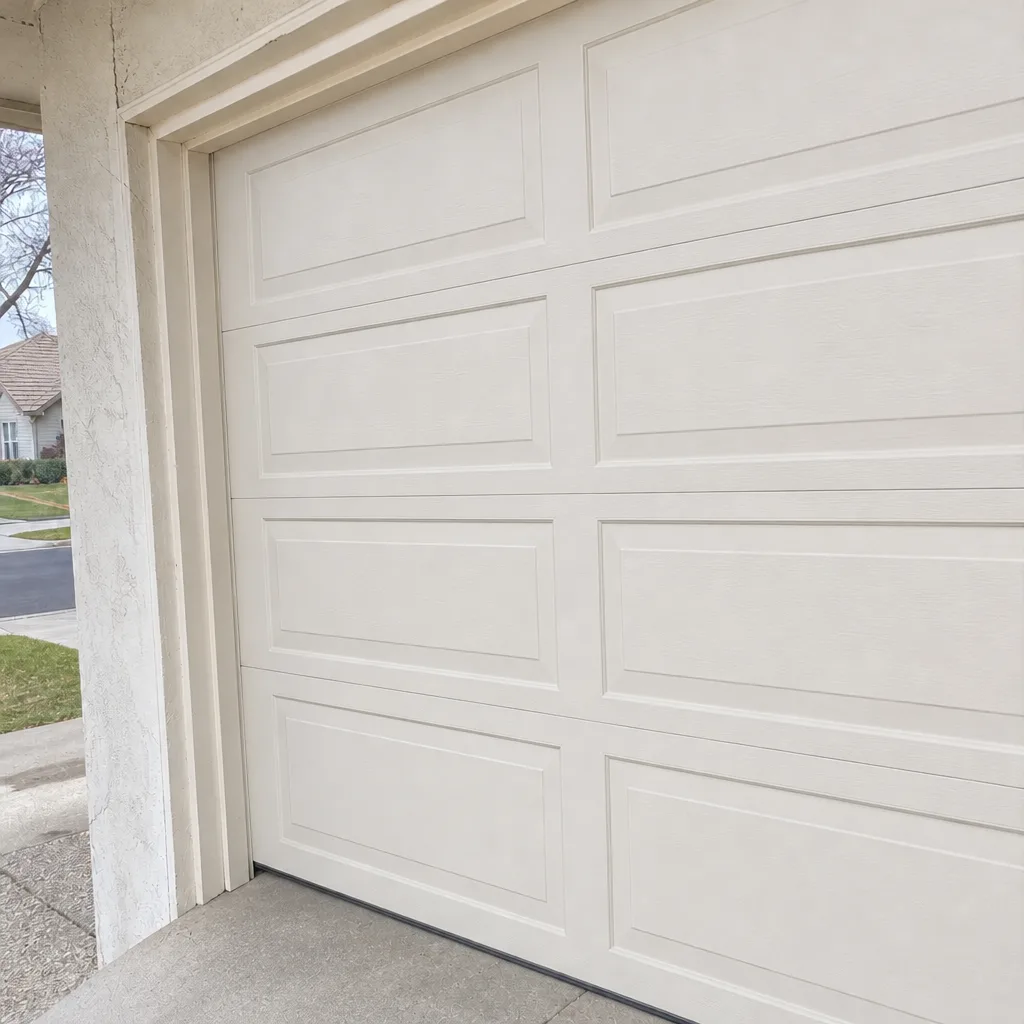 After