
Last updated October 30, 2026
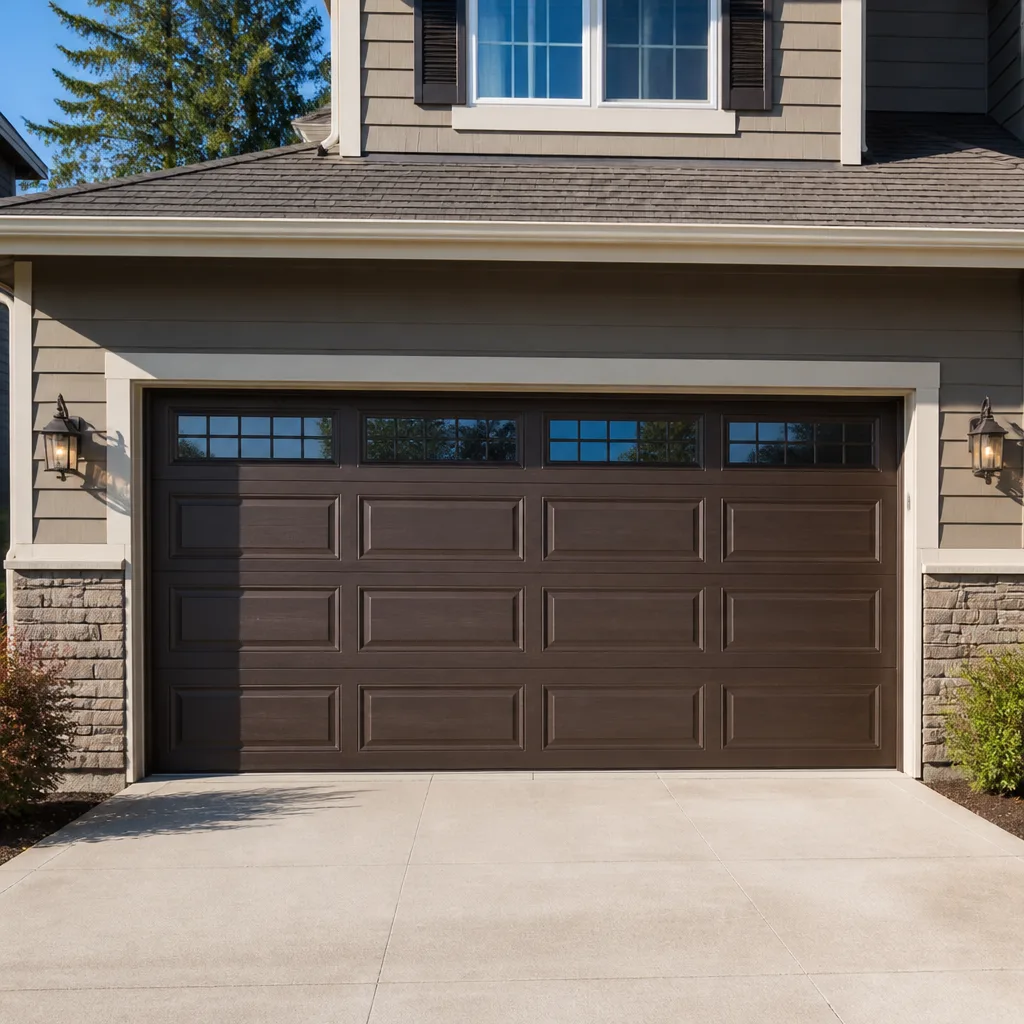 Raised-panel steel
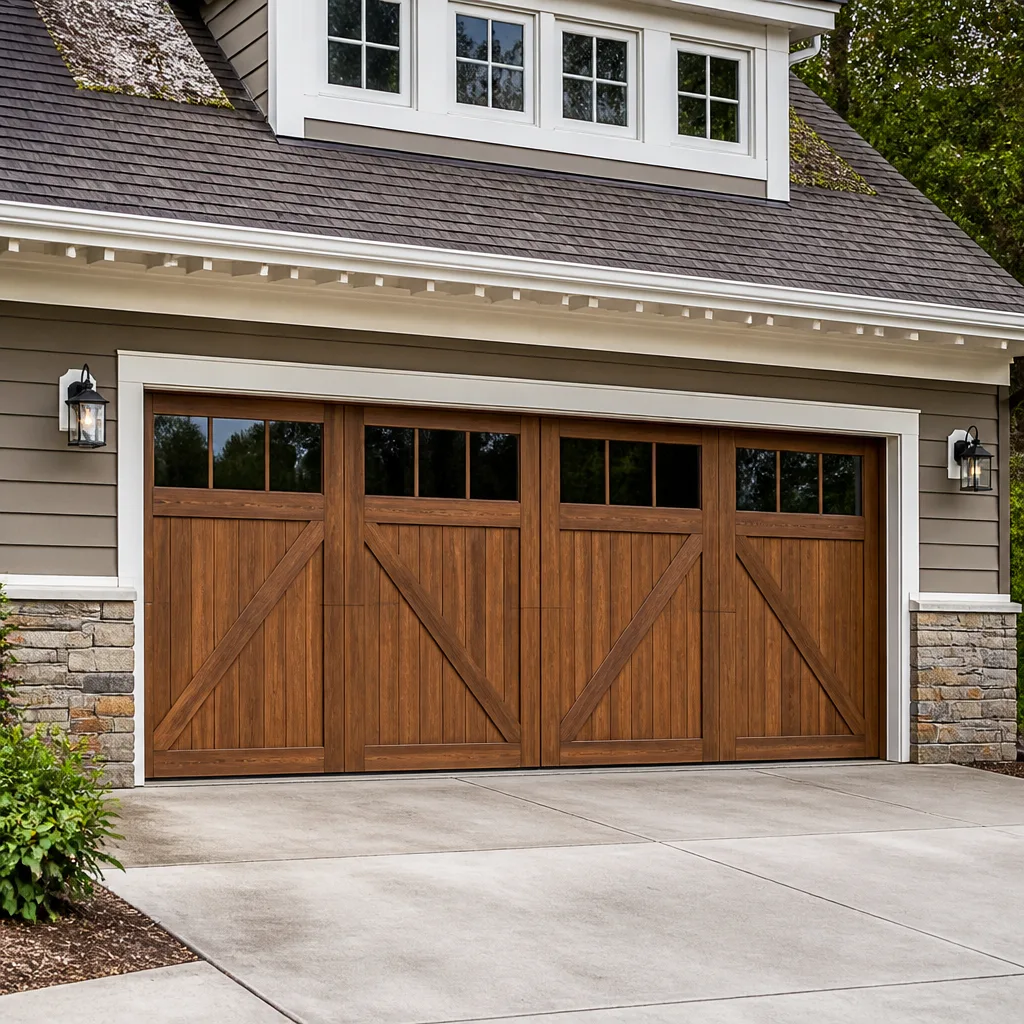 Carriage house
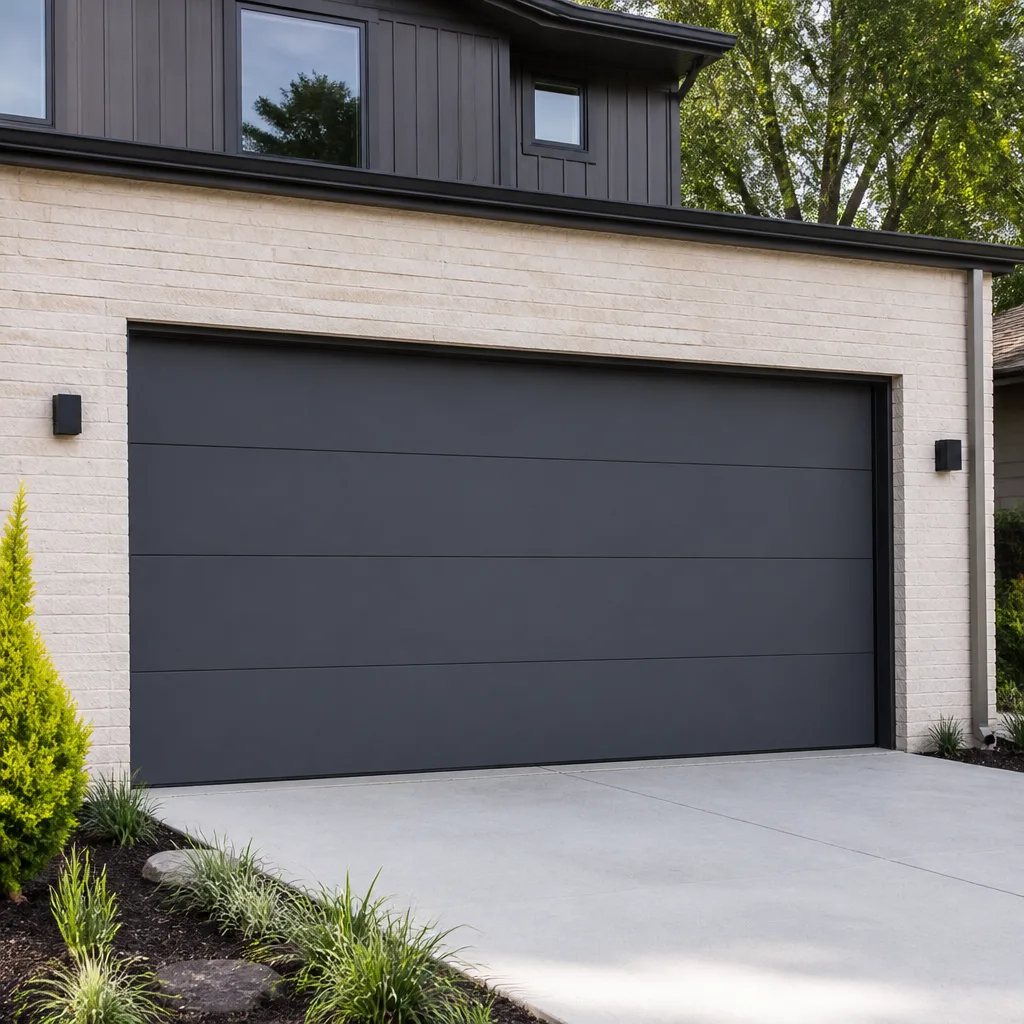 Modern flush
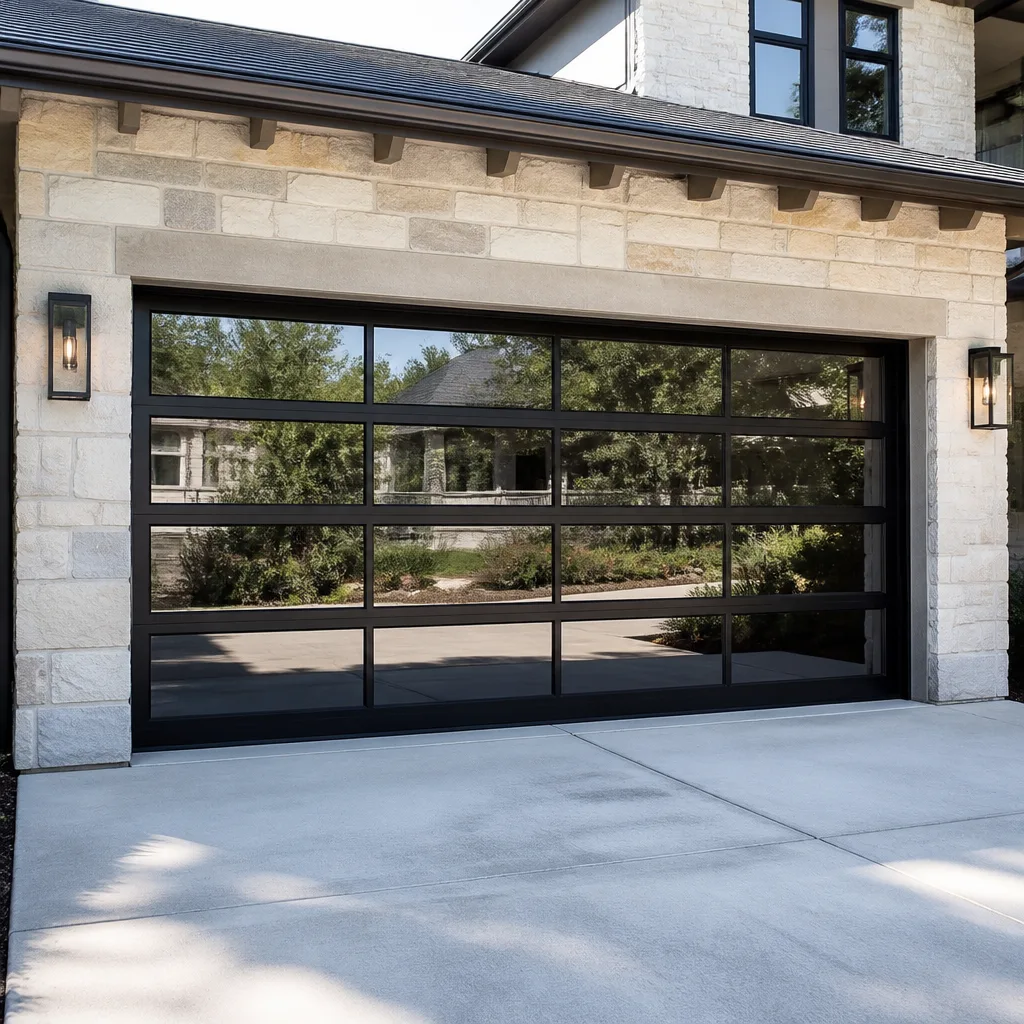 Full-view glass
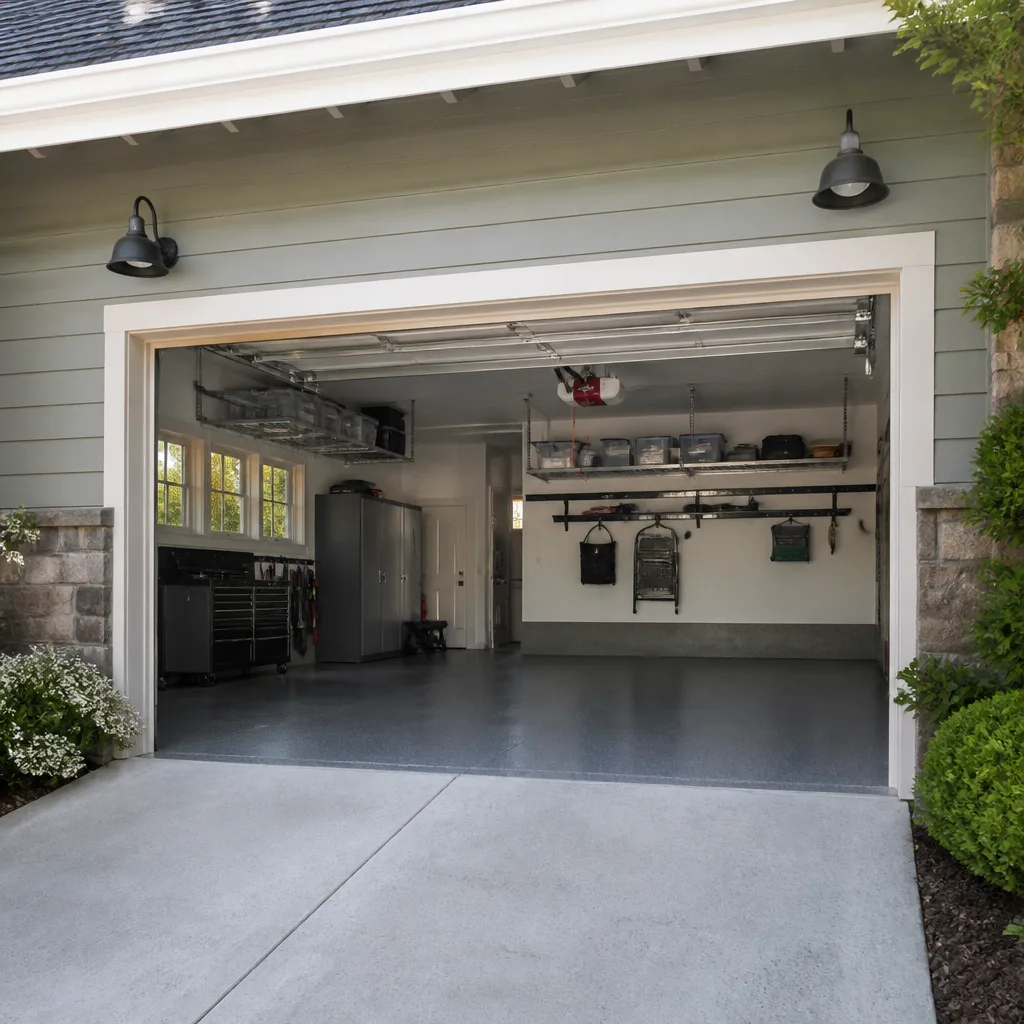 LiftMaster openers
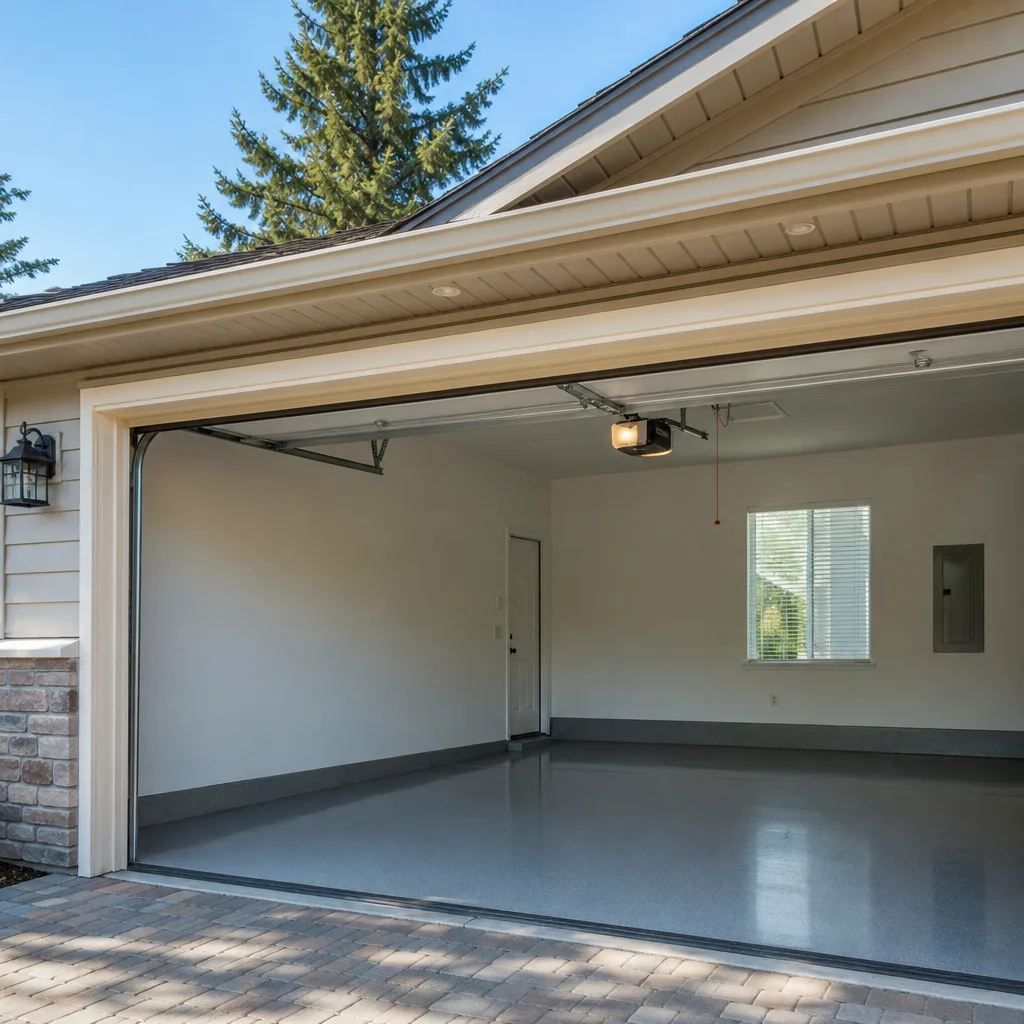 Chamberlain openers
Full 25-point door and opener safety check with every visit - springs, cables, rollers, tracks, and your LiftMaster or Chamberlain opener included
You get a price before we start. It does not change when the truck arrives.
Get your free estimateSeasonal Garage Door Care for Roseville: Year-Round Homeowner’s Guide
The single most damaging period for Roseville garage doors isn’t winter. It’s the transition from April to June, when temperature swings of 40°F between night and day cause metal components to expand and contract daily. That constant movement works fasteners loose, fatigues seals that survived the cold just fine, and slowly degrades the hardware until something fails on the hottest afternoon of the year. This guide maps maintenance tasks to Roseville’s actual climate calendar, not generic months, so you’ll know exactly what to check, when to check it, and what actually needs a technician versus what you can handle in ten minutes with a wrench. For a broader look at garage door care in this area, see The Complete Guide to Garage Doors in Roseville.
Quick Answer
Seasonal garage door maintenance in Roseville means checking springs, cables, rollers, weatherseal, and opener force settings at least four times a year, timed to the city’s distinct climate phases: after the first 90°F week in spring, before July’s heat peak, before November rains arrive, and once during January’s fog and frost season. Most tasks are visual inspections you can do in five minutes; the ones that require tools are usually limited to tightening fasteners and lubricating moving parts with a silicone-based product. We recommend a professional spring tension check every 12 to 18 months regardless of season.
Styles & brands we work with
- Raised-panel steel
- Carriage house
- Modern flush
- Full-view glass
- LiftMaster openers
- Chamberlain openers
Table of Contents
- Why Roseville’s Climate Is Harder on Garage Doors Than You Think
- Spring: The April-May Temperature Swing Nobody Talks About
- Summer: What 100°F Days Do to Openers, Springs, and Panels
- Fall: The Pre-Rain Weatherseal Check Calibrated to Roseville’s Wet Season
- Winter: Tule Fog, Frost, and What They Do to Your Door
- A Year-Round Seasonal Task Reference for Roseville
- What to Do Yourself vs. What to Hand to a Technician
- Common Mistakes to Avoid
- When to Call a Professional
- Frequently Asked Questions
Why Roseville’s Climate Is Harder on Garage Doors Than You Think
Roseville sits in USDA hardiness zone 9b and Sunset climate zone 14, which means mild winters and long, dry, hot summers. That sounds forgiving until you look at what the temperature does to a garage door over a single year. A steel door panel in Roseville can swing from 35°F on a January morning to 130°F surface temperature on a July afternoon. That’s nearly a 100-degree range, and every degree of change moves the metal, the fasteners, the track brackets, and the weatherseal. Coastal California doors live in a 30-degree band. Inland doors live in a stress test.
Humidity plays a different role here than in Sacramento proper. Roseville’s eastern neighborhoods, especially those near Dry Creek and the open terrain toward Granite Bay and Loomis, get colder overnight lows and thicker tule fog in winter. That fog settles on door hardware and condenses, creating micro-corrosion cycles on hinges and springs that don’t happen in drier parts of the valley. Meanwhile, the summer heat is relentless from June through September, and it doesn’t cool down much at night during heat waves. Your garage door is the only large mechanical system in your house that lives almost entirely outside, which means it takes the full brunt of this climate. A door that gets inspected once a year is a door that fails on a schedule you didn’t choose.
Spring: The April-May Temperature Swing Nobody Talks About
Spring in Roseville arrives fast. February is still wet, March is transitional, and by mid-April you’re seeing daytime highs in the 80s while nights still drop into the 40s in many Roseville neighborhoods. That 40-degree daily swing is the real story. Metal expands during the day and contracts at night, and if a fastener was installed during cooler weather, it’s now under stress it wasn’t designed for. We see more loose track bolts and hinge screws in April and May than in any other season, not because doors are failing, but because they’re flexing.
The first 90°F week of the year is your trigger. Within a few days of that first heat spike, walk your door and do this:
- Check every hinge bolt and track bracket with a socket wrench. Give each one a quarter-turn test. If it moves, tighten it. Don’t overtighten; these bolts seat into metal and can strip if forced.
- Inspect the top section weatherseal where the door meets the frame. Winter cold made it stiff; the first heat week makes it soft and pliable again, which is when small cracks and gaps become visible. Look closely at the corners.
- Listen to the rollers during a full open-close cycle. Spring warmth dries out winter lubricant. Nylon rollers that have gone dry make a scraping or chirping sound; steel rollers get louder. A silicone-based lubricant on the roller bearings, not the track, is the correct fix.
- Test the balance manually. Pull the emergency release cord and lift the door to waist height. It should stay put. If it drifts down or springs up, the spring tension has shifted with the temperature. This is a professional adjustment, not a DIY fix.
Spring is also when pollen from Roseville’s oak trees gets into everything, including the opener’s rail and chain or belt. Pollen is sticky, and when it mixes with old grease on the trolley, it creates a paste that makes the opener work harder. A clean rag on the rail and a fresh light coat of lubricant is a ten-minute job that saves real wear. If you have a Chamberlain or LiftMaster opener, spring is the right time to clear the photo eye lenses too; pollen film on the lenses is one of the most common causes of a door that reverses for “no reason” in May.
Summer: What 100°F Days Do to Openers, Springs, and Panels
Sustained heat above 95°F changes how a garage door behaves. The most common summer call in Roseville is a door that stops halfway and the opener just hums or goes dead. Many times that’s a thermal overload, not a real failure. LiftMaster and Chamberlain openers have a thermal reset built into the motor. If the motor gets too hot, it shuts down to protect the windings, then works again 20 to 30 minutes later after it cools. A failing logic board behaves differently: it becomes intermittent, resets settings, or stops responding to remotes entirely, and the problems persist regardless of temperature.
Here’s how to tell the difference. If your opener quits on a 105°F afternoon, the garage itself is 120°F, and the motor housing is hot to the touch, wait 30 minutes with the door open for ventilation, then test it. If it operates normally and continues to work during the cooler evening, you’re likely dealing with thermal behavior, not a dead board. If the same problem recurs on cooler days or the opener behaves erratically in other ways, the board is the suspect. Either way, repeated thermal cycling adds stress to the motor’s capacitors, so a door that thermal-trips more than two or three times a summer deserves a professional look.
Springs also behave differently in Roseville’s summer. Most torsion springs installed in the last 15 years are rated for 10,000 to 20,000 cycles, and heat doesn’t directly shorten that lifespan. But heat accelerates the minor wear that already exists. A spring with a small fatigue crack or a worn bearing will fail faster in July than it would in November. That’s why we tell customers in Roseville to watch for a three-inch gap appearing in the spring or a loud bang from the garage, which is the classic torsion spring failure signature. Spring replacement is never a DIY job. The tension involved can cause serious injury, and proper winding requires specific tools and technique.
Steel door panels in direct sun absorb a lot of heat. A dark-colored door on a west-facing garage in Westpark or Sun City can reach 150°F on the surface. That heat accelerates paint fading, but it also softens vinyl weatherseal on the bottom of the door, especially where it contacts hot concrete. Check the bottom seal in late July or August by closing the door and looking for daylight at the corners. A softened seal can fold, deform, and leave gaps that invite dust and heat into the garage. Garage Door Repair in Roseville often means replacing bottom seals that have deformed from a single brutal summer, not from a decade of use.
Fall: The Pre-Rain Weatherseal Check Calibrated to Roseville’s Wet Season
Roseville’s wet season starts in November, not October. The Pacific storm track that brings rain to the northern coast takes longer to reach the Central Valley, which means September and October in Roseville are usually dry, warm, and dusty. This is useful information because the standard advice to check weatherseal “in the fall” often has people doing it in early October, when the problems haven’t shown up yet. The real time to check is the first week of November, right before the first significant storm system arrives.
A proper fall weatherseal inspection is visual and tactile. Run your hand along the bottom seal with the door closed. It should be smooth and flexible, with no cracks, no flat spots, and no gaps where it meets the concrete. Roseville driveways settle, and a door that sealed perfectly five years ago may now be sitting a quarter-inch off the slab on one side. That gap is how November rain, leaf debris, and eventually cold air get into the garage. It’s also how rodents enter; field mice from the open spaces around Roseville move toward warm structures when the rains start, and a torn bottom seal is an open invitation.
The side and top seals matter too. On a windy wet day, water doesn’t just fall straight down; it gets driven against the door. Check the vertical weatherstrip on both door jambs and the top seal where the door meets the header. Look for gaps at the corners where the vertical seals meet the top seal. A surprising amount of water enters through those corner gaps during a driving rain. If you see daylight at any corner of a closed door, that’s a gap water will find.
Fall is also the right time to address the track and hardware. Summer heat bakes the lubricant into a gummy residue, and November humidity makes that residue tacky. Clean the track interiors with a rag and apply a light silicone lubricant to the roller bearings, hinges, and spring. If you have a Wayne Dalton or Amarr door with a torquemaster tube assembly, the lubrication points are internal, and you’ll want a professional to handle it. Conversely, a Craftsman door with exposed torsion hardware is straightforward to lubricate with basic care. The key is timing: doing this in late October or early November, before the first heavy rain, means your door starts winter clean, lubricated, and sealed.
Winter: Tule Fog, Frost, and What They Do to Your Door
Roseville doesn’t get hard freezes the way the foothills do, but it gets something more persistent: tule fog. On those foggy mornings from December through February, moisture condenses on every exposed metal surface, including your garage door’s hinges, rollers, springs, and track hardware. Then the sun burns through around 10 a.m. and dries it off. That daily wet-dry cycle is a slow corrosion process. It’s not dramatic, but over several winters it dulls the hardware, roughens moving surfaces, and makes the door noisier and less smooth.
Frost adds another variable. On nights when the temperature drops below freezing, any moisture trapped between the bottom seal and the concrete can freeze. The door becomes temporarily stuck to the slab. This is almost never a serious problem; a gentle opener cycle usually breaks the seal free. But if you force it, you can tear the bottom seal away from the door channel, leaving a loose flap that then drags and catches on every cycle. If your door resists opening on a frosty morning, don’t hit the opener repeatedly. Pull the red release cord, lift the door manually with one smooth motion, and then inspect the seal for damage before reconnecting.
Steel doors respond to cold differently than you might expect. The panel itself doesn’t warp or crack; the paint and primer are stable down to far lower temperatures than Roseville ever sees. The issue is condensation. Fog droplets sit on the panel surface and find their way into any micro-scratch or edge where the paint has worn. Over time, that raises the risk of rust blooms, especially on the bottom panel where moisture gathers. Doors on north-facing garages in older Roseville neighborhoods, where the door gets little winter sun, are most prone to this. A quick winter task is to wipe down the bottom six inches of the door on foggy mornings, or at minimum check for new rust spots each month. Surface rust can be treated with a wire brush and touch-up paint; deeper corrosion on the panel bottom is a sign the door is nearing replacement age.
Openers also work harder in winter. Cold weather thickens the grease on older chain-drive units, and the extra resistance translates to a slowly working door on cold mornings. If your Craftsman or Genie opener has been in service for 12-plus years, winter is when the motor bearings show their age with a whine or a low growl. A whine on cold mornings that fades as the day warms is usually bearing wear, not a failing motor. Either way, catching it before it becomes a full failure is worth a service call. Garage Door Opener Repair in Roseville is often a bearing replacement, a drive gear, or a limit switch, not an entire opener replacement.
A Year-Round Seasonal Task Reference for Roseville
Here’s the entire year in one place. Print this or save it on your phone. Each task is timed to Roseville’s actual weather patterns, not a generic seasonal calendar.
Spring (April-May, after the first 90°F week)
- Tighten all hinge bolts and track brackets
- Inspect top weatherseal corners for cracking
- Lubricate roller bearings with silicone
- Test door balance manually
- Clean photo eye lenses of pollen
Summer (June-August, before and during heat waves)
- Watch for opener thermal resets on days above 100°F
- Check bottom seal for heat deformation, especially west-facing doors
- Listen for spring noise and check for gaps in torsion springs
- Inspect door surface for paint fading or bubbling
- Keep the garage ventilated if possible to reduce opener heat load
Fall (Late October-First week of November)
- Full weatherseal inspection: bottom, sides, top, corners
- Clean track interiors of summer residue
- Re-lubricate all moving parts before the rains start
- Check for driveway settling that has opened new gaps
- Look for rodent entry points around the door perimeter
Winter (December-February, fog and frost season)
- Wipe down the bottom panel on foggy mornings to prevent corrosion
- Release door gently if frozen to slab; never force it
- Listen to opener for cold-morning whines from bearings
- Check for rust spots on the bottom panel and address early
- Test the door’s auto-reverse safety function; cold can affect the opener’s sensitivity settings
This is a maintenance schedule, not a repair list. If any task reveals something broken, failing, or beyond your comfort level, that’s a call to us. For deeper guidance on fixes, see The Complete Garage Door Repair Guide for Roseville Homeowners. Most of our Roseville customers handle items one through four on their own and call us for anything involving springs, cables, or opener internals.
What to Do Yourself vs. What to Hand to a Technician
Some garage door maintenance is genuinely doable for a careful homeowner. Some of it isn’t. Here’s the honest breakdown, based on what we see in Roseville garages every week. If you’re also weighing a new door, read Choosing the Right Garage Door Brand: A Buyer’s Guide for Roseville.
Safe to Do Yourself
- Tightening hardware. Hinge bolts, track brackets, and roller brackets are all accessible and low-risk. A socket wrench and ten minutes is all it takes.
- Cleaning and lubricating. Wiping down tracks, cleaning photo eyes, and applying silicone lubricant to rollers and hinges are all safe. Lubrication is the single highest-value maintenance task you can do yourself.
- Weatherseal inspection. Looking for gaps, cracks, and daylight is a visual task. Replacing a bottom seal is also DIY-able on most doors if you’re comfortable working on a ladder and pulling the old seal out of the channel.
- Balance testing. Pulling the release cord and checking whether the door holds at waist height takes thirty seconds and reveals a lot about spring condition.
- Auto-reverse testing. Place a 2×4 on the ground and close the door on it. If the door doesn’t reverse within two seconds, stop using it and call us. This is a safety test, not a repair.
Call a Professional For
- Torsion spring adjustment or replacement. The tension on a wound torsion spring can cause severe injury or death if it releases unexpectedly. There is no safe DIY version of this job.
- Cable repair. Lift cables run alongside the door and carry the spring’s tension. A frayed cable is a loaded weapon. Don’t touch it.
- Opener motor or board work. If the opener is behaving erratically, the problem is usually electrical, not mechanical. Garage Door Opener Repair in Roseville requires a knowledge of how each brand’s logic board behaves, not just a multimeter.
- Track realignment. A bent track isn’t just a cosmetic issue; it creates uneven loads on the rollers and springs. Straightening a track requires knowing how much bend is acceptable versus structural.
- Panel replacement. Damaged panels need to match the existing door, and working with tensioned hardware while replacing panels is a job for someone who does it regularly.
We’re brand-familiar with LiftMaster, Chamberlain, Genie, Clopay, Amarr, Wayne Dalton, Craftsman, and Raynor systems, which matters when a repair involves matching existing parts. A Raynor door from 2005 doesn’t take the same brackets as a current-model Clopay, and knowing the difference before we arrive is half the battle. Garage Door Installation in Roseville is also part of what we do, so if a seasonal inspection reveals that a panel, spring, or opener has reached the end of its service life, one call covers the diagnosis and the replacement.
Common Mistakes to Avoid
- Lubricating the track. Garage door tracks should be clean and dry. Lubricant in the track attracts dirt and creates a sticky slurry that makes the door work harder. Lubricate the roller bearings, hinges, and springs, never the track itself.
- Ignoring a noisy door. A door that gets progressively louder is telling you something. Usually it’s dry rollers or a worn bearing, both of which are cheap to fix early and more expensive if ignored. A door that stays quiet is a door that was maintained.
- Using WD-40 on everything. WD-40 is a solvent, not a lubricant. It cleans gunk off and then evaporates, leaving the surface drier than before. For garage door moving parts, use a silicone-based lubricant or a white lithium grease on metal-to-metal contact points.
- Waiting until November to think about weatherseal. By the time Roseville’s rains start, the best time to replace a degraded seal is over. Do this in early November and you’ll avoid the rush, the leaks, and the rodent problems.
- Forcing a door frozen to the slab. On frosty Roseville mornings, a gentle manual lift breaks the ice seal. Hitting the opener repeatedly while the door is stuck can tear the bottom seal and strain the opener gears.
- Assuming the opener is dead when it’s just hot. A thermal reset on a 105°F day is the opener protecting itself. Before replacing a LiftMaster or Chamberlain, let it cool for 30 minutes and test again. Half the time it works fine, and the other half it needs a board, not a whole new unit.
- Treating spring noise as normal. A creaking or popping spring isn’t a personality quirk; it’s friction, and friction is wear. Have it checked before it lets go, especially if your spring is more than seven years old and you use the door daily.
When to Call a Professional
If your door makes a loud bang and won’t open, that’s a broken torsion spring. Don’t try to force it; the door is now dangerously unbalanced and can fall. If the opener runs but the door doesn’t move, that’s usually a stripped gear or a disconnect emergency, both of which are mechanical failures you don’t want to guess at. If the door reverses for no reason, check the photo eyes and clean the lenses first; if that doesn’t solve it, the logic board may be failing. And if any cable looks frayed or has come off the drum, stop using the door immediately – the cable is under spring tension and cannot be safely re-seated by hand. Wright Garage Door Repair offers free estimates in Roseville – call (855) 362-1465 and we’ll diagnose it over the phone first, then arrive already knowing your brand and likely problem.
Frequently Asked Questions
Four times a year, timed to Roseville’s climate phases: after the first 90°F week in spring, before the summer heat peak, before November rains, and once during winter fog season. Most inspections take five minutes and are visual: look at springs, cables, weatherseal, and listen to the door during a full cycle. Pull the release cord and test balance at least twice a year. Call (855) 362-1465 if you see anything you’re unsure about.
Heat doesn’t break springs directly, but it accelerates existing wear. A spring with a small fatigue crack or worn bearing will fail faster in July than in November because thermal expansion increases the stress on the weak point. Most torsion springs are rated for 10,000 to 20,000 cycles, and a door used four times a day hits 1,460 cycles per year. If your spring is seven years old and you use the door daily, it’s past the halfway point of its life.
Most likely the opener’s thermal overload protection is activating. LiftMaster and Chamberlain openers have built-in thermal resets that shut the motor down when it gets too hot, usually above 100°F in the garage. The opener should work again after 20 to 30 minutes of cooling. If it recurs on cooler days or the opener behaves erratically in other ways, the logic board is probably failing. Call us at (855) 362-1465 for an exact diagnosis – estimates are free.
Tule fog creates a daily wet-dry cycle on exposed metal hardware in Roseville. Moisture condenses on hinges, rollers, and springs overnight, then the sun burns it off mid-morning. Over multiple winters, that cycle causes micro-corrosion that makes the door noisier and less smooth to operate. The practical fix is simple: wipe down the bottom panel and visible hardware on foggy mornings when you notice condensation, and keep hardware lubricated each fall.
Yes, on most doors. The bottom seal slides out of a channel on the bottom panel, and replacements are available at home centers and hardware stores. The job takes 15 to 20 minutes with basic tools. What matters more is the timing: replace it in early November, before Roseville’s rains start, not in October when the old seal might still look serviceable. If you’re unsure about fitment on your specific door brand, call us and we’ll tell you which seal profile you need over the phone.
We service LiftMaster, Chamberlain, Genie, Clopay, Amarr, Wayne Dalton, Craftsman, and Raynor systems. That covers nearly every residential opener and door in Roseville, which means we arrive already familiar with your specific unit rather than figuring it out on site. One call covers both the door mechanics and the opener drive system.
The Bottom Line
Roseville’s garage doors live in a climate that is harder on them than it appears. The temperature swings in spring, the sustained heat in summer, the November rain onset, and the winter fog cycles each create a distinct maintenance priority. A homeowner who spends fifteen minutes per season on these targeted checks catches most failures before they strand a car in the driveway or turn a small gap into a water intrusion problem. The work that’s safe to do yourself – tightening, lubricating, inspecting – is meaningful and low-risk. The work that isn’t – springs, cables, openers, track alignment – is exactly what we do every day. Browse more guides & resources for year-round garage door care. Wright Garage Door Repair serves Roseville with free estimates at (855) 362-1465. We already know your system, and one call covers it all, done the Wright way the first time.
Written by the team at Wright Garage Door Repair, serving Roseville since 2017.
See the difference
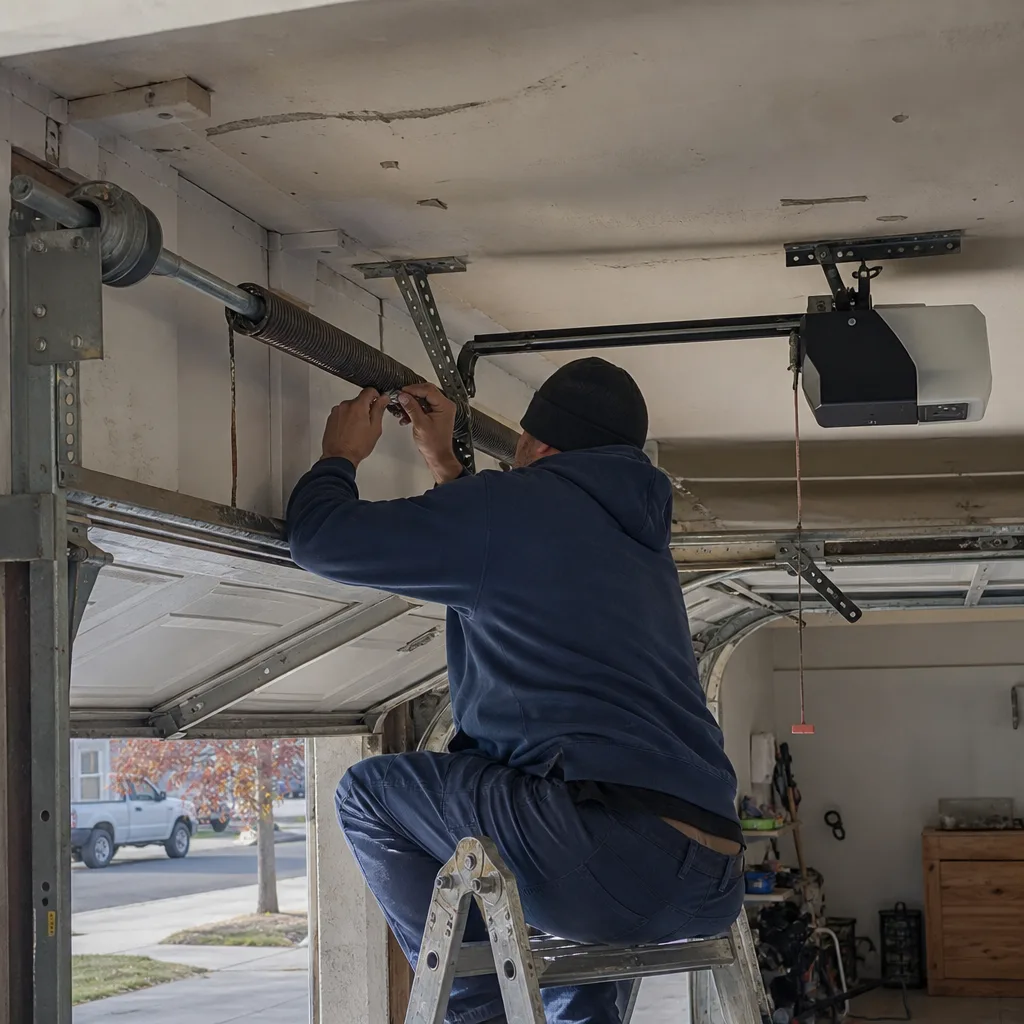 Before
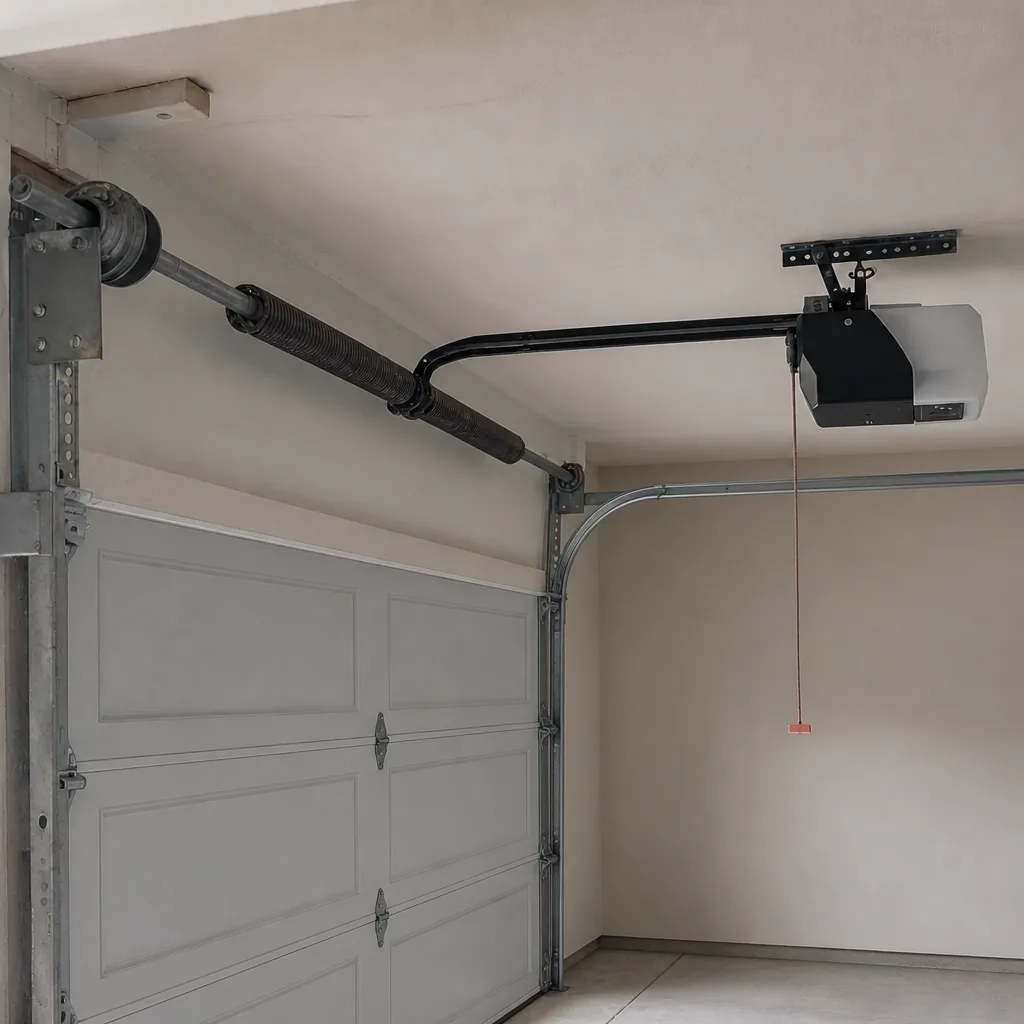 After
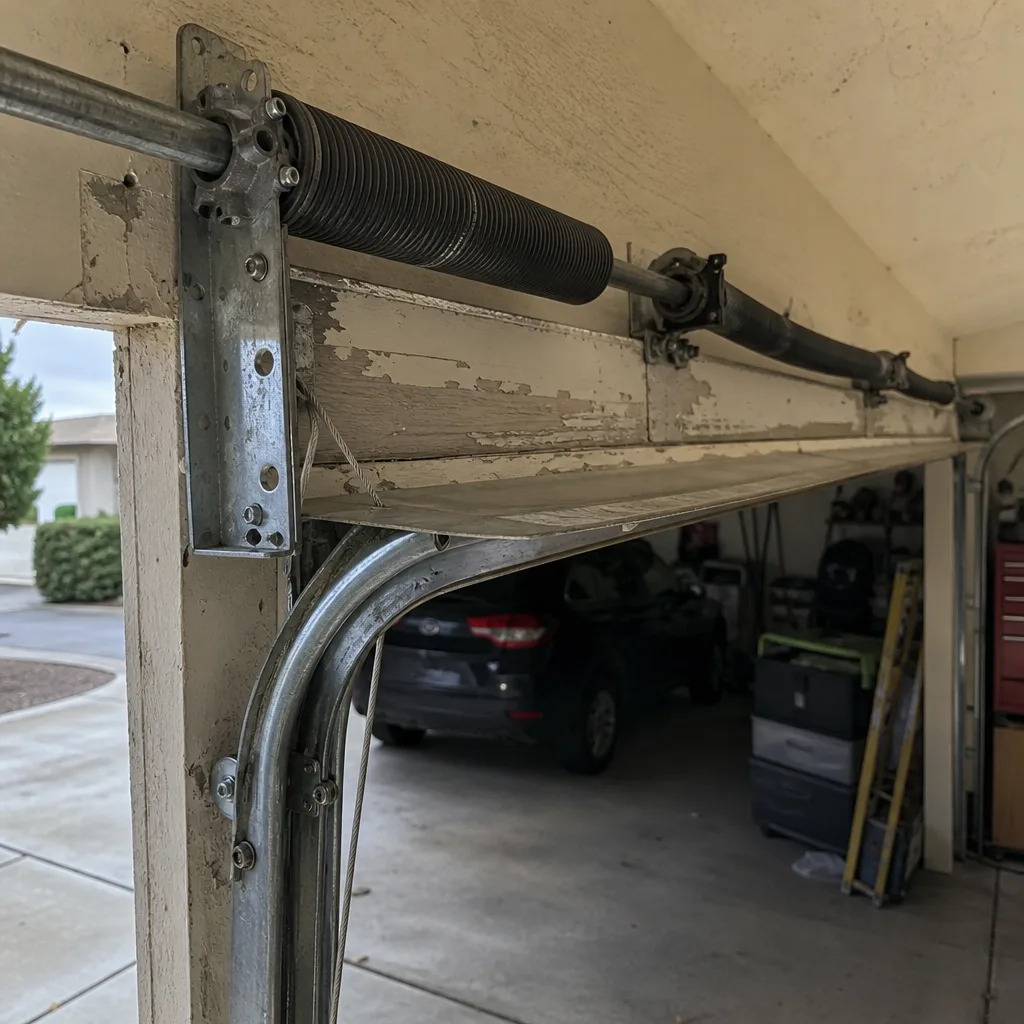 Before
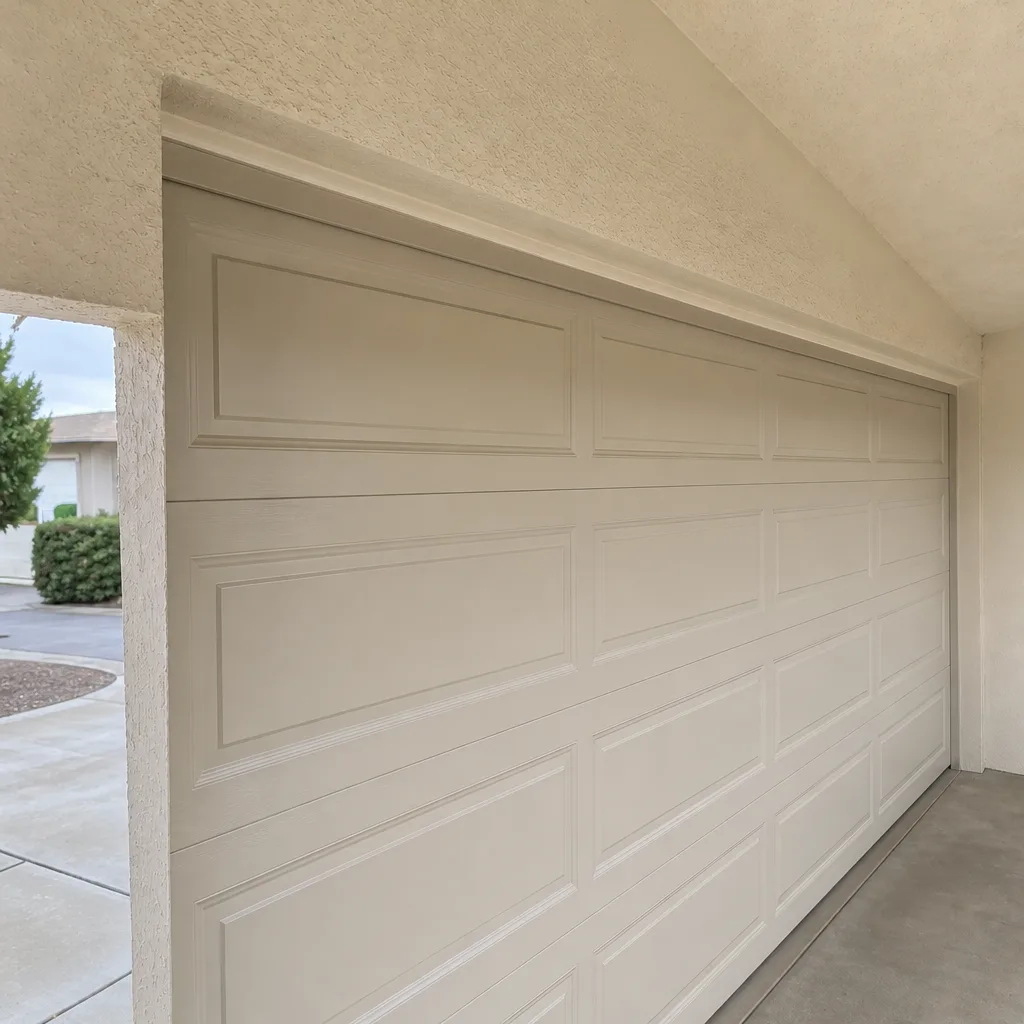 After
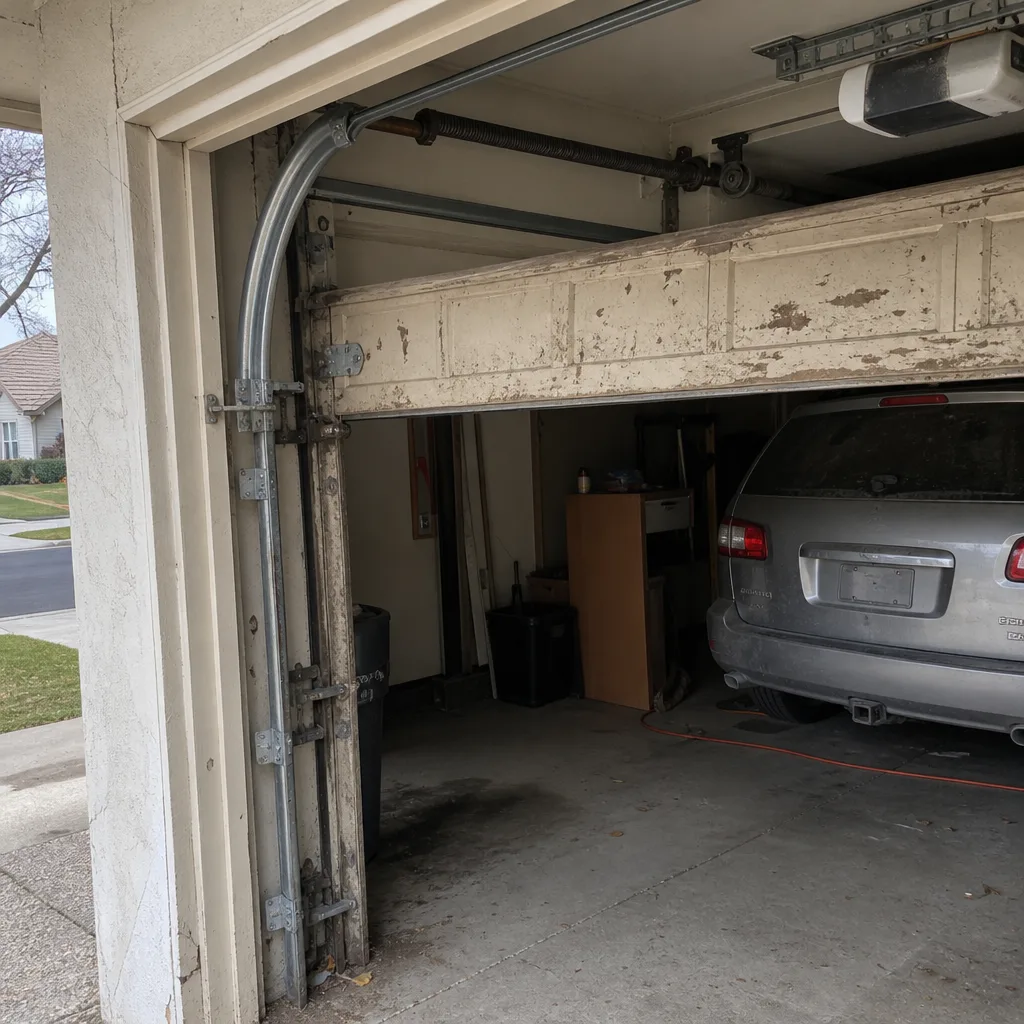 Before
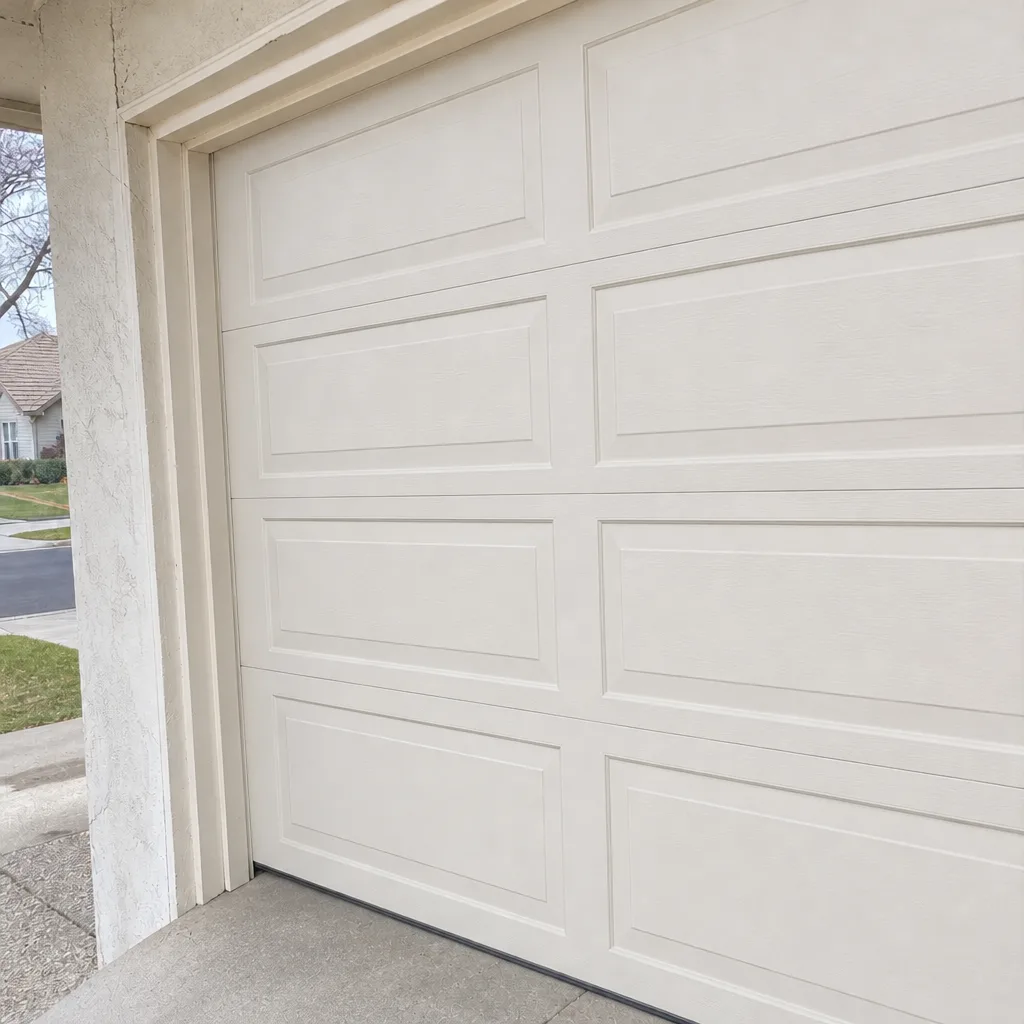 After