
Last updated October 30, 2026
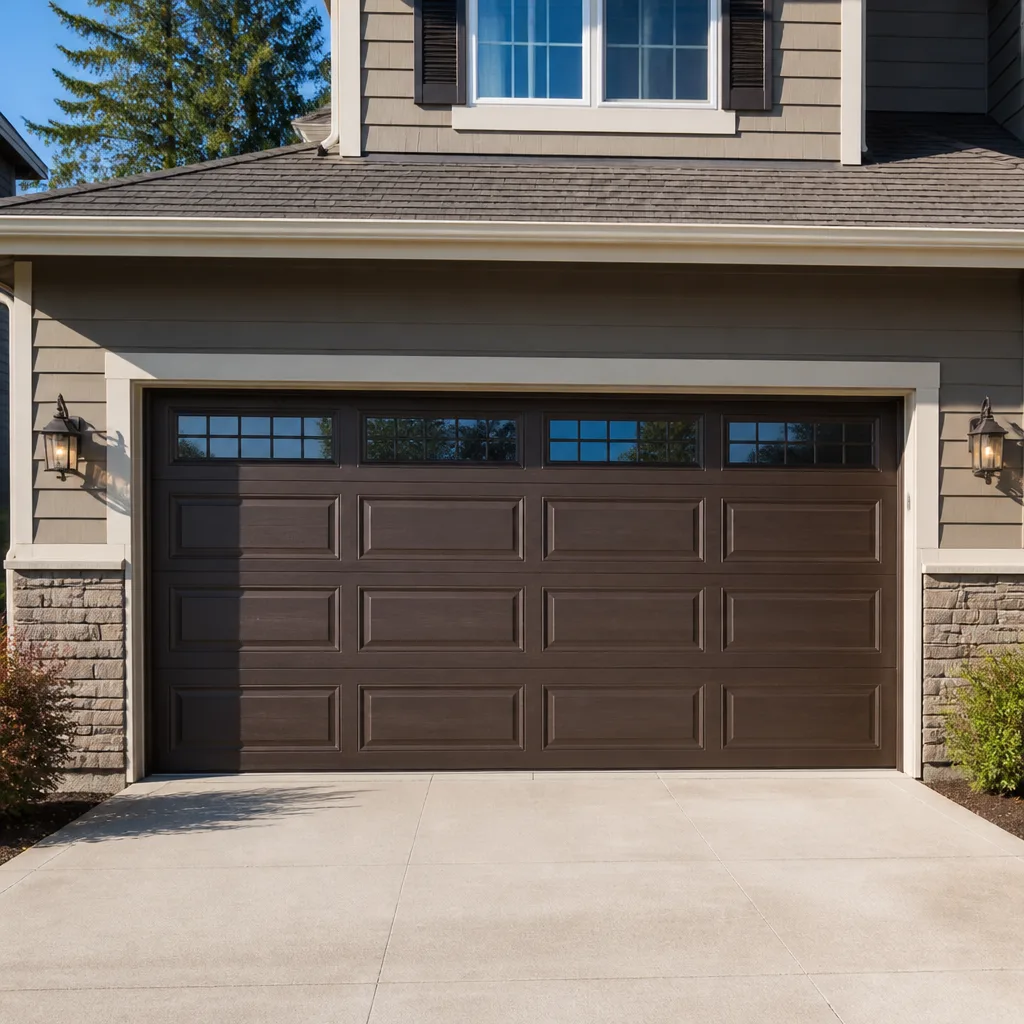 Raised-panel steel
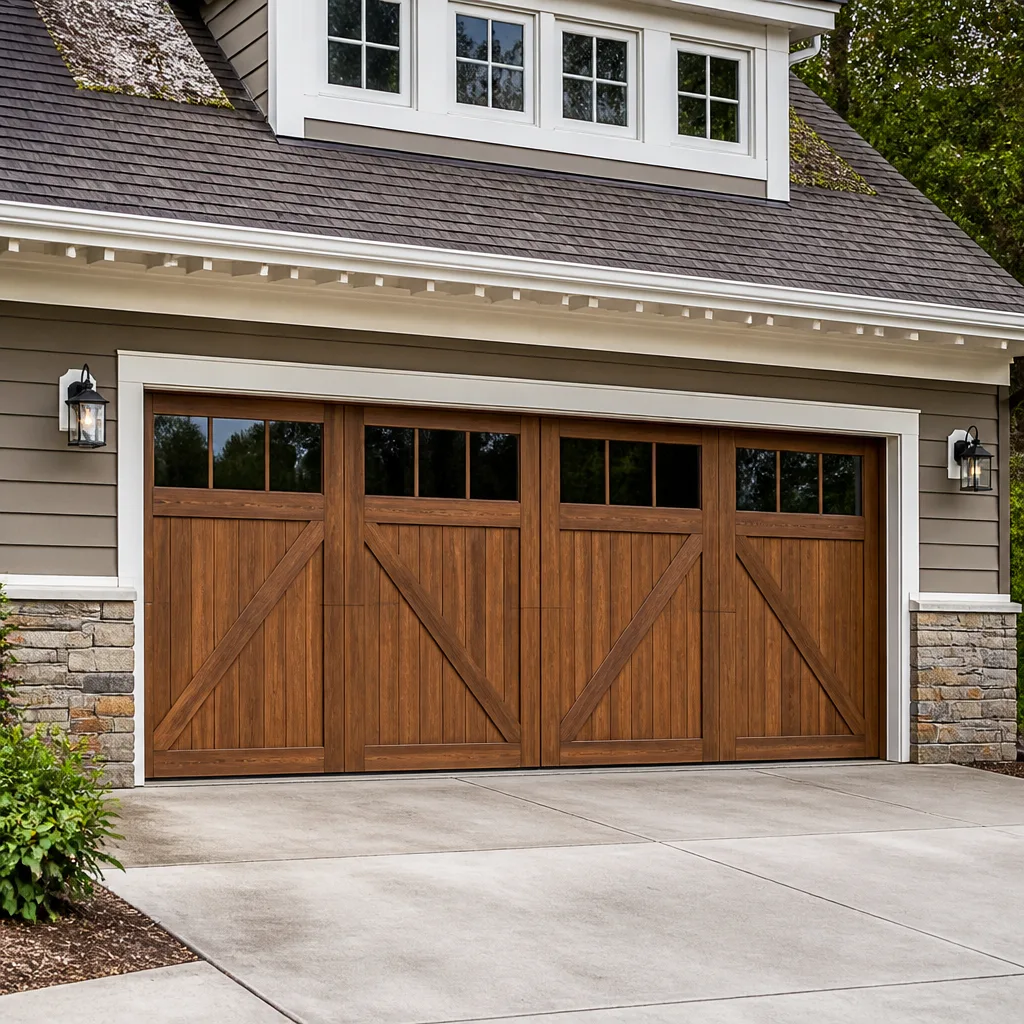 Carriage house
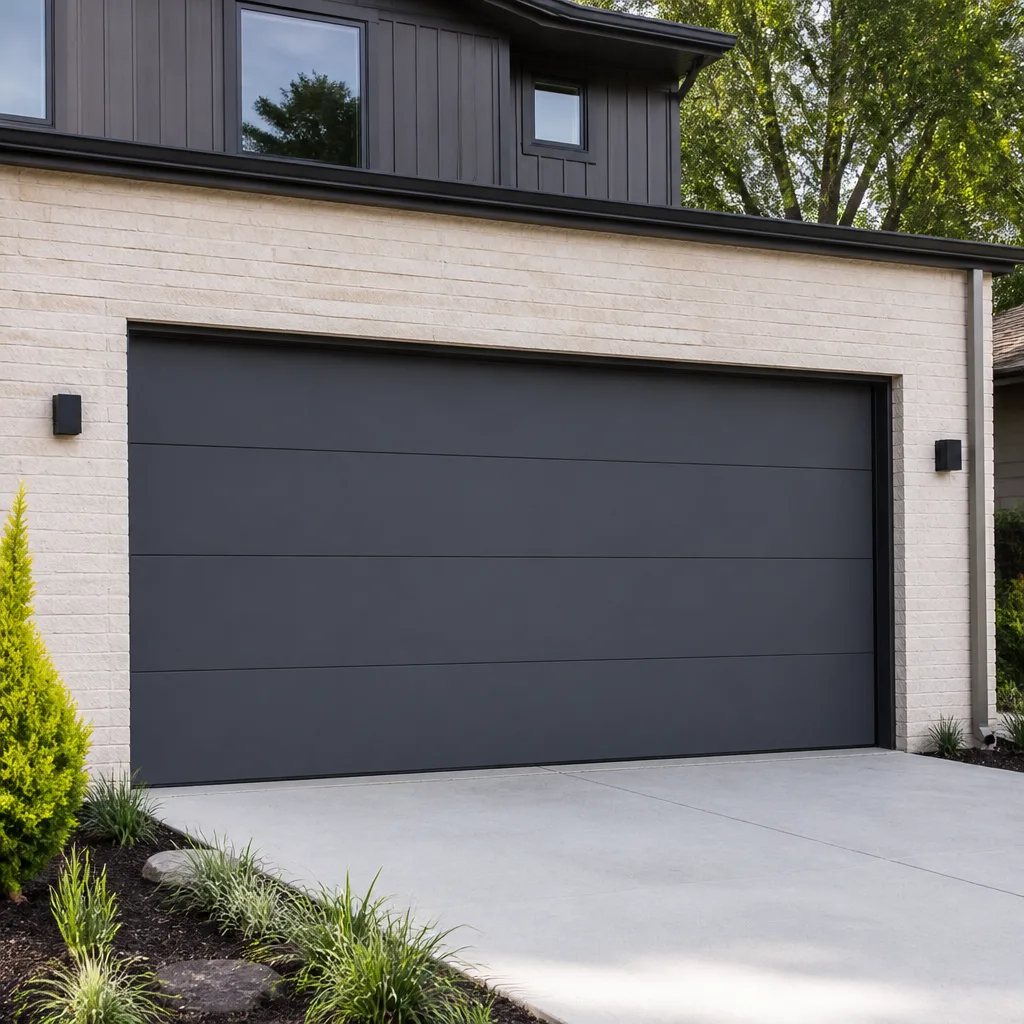 Modern flush
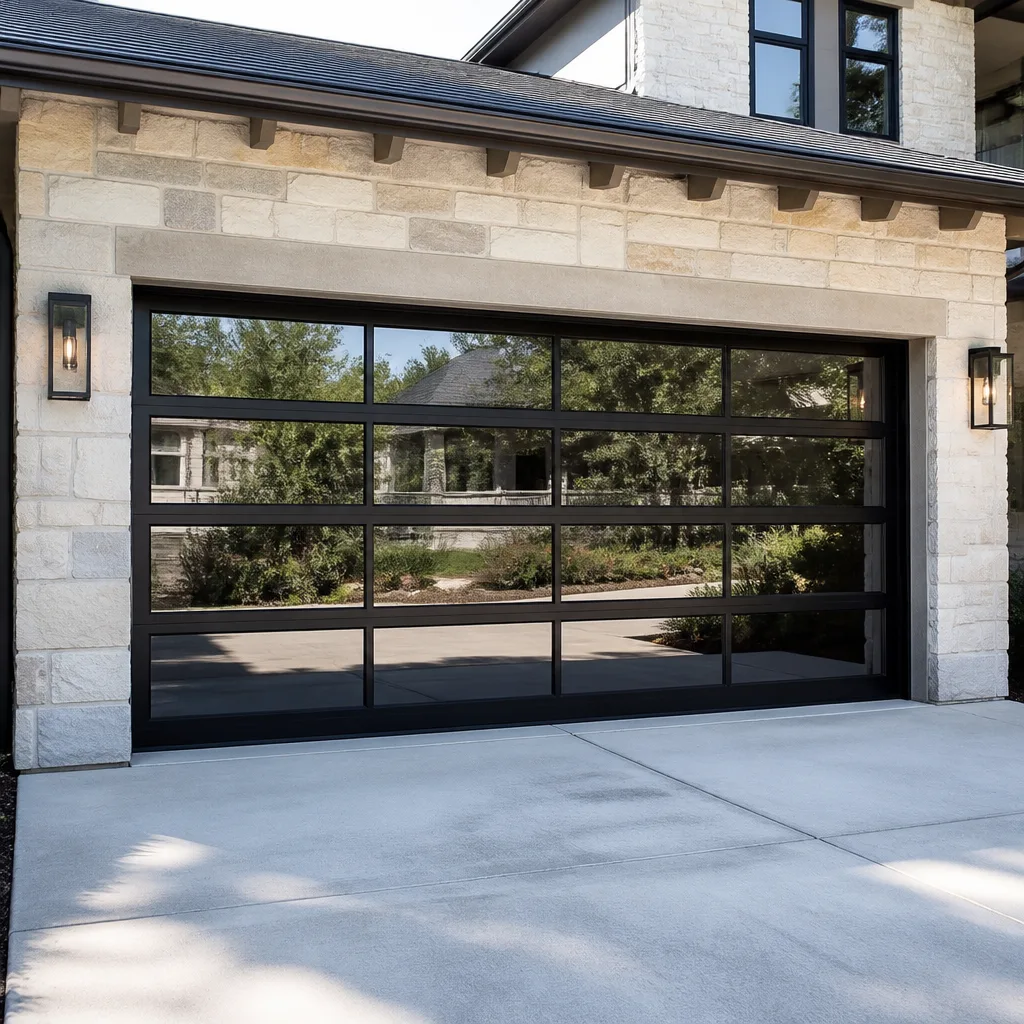 Full-view glass
 LiftMaster openers
 Chamberlain openers
Full 25-point door and opener safety check with every visit - springs, cables, rollers, tracks, and your LiftMaster or Chamberlain opener included
You get a price before we start. It does not change when the truck arrives.
Get your free estimateGarage Door Warning Signs: A Roseville Homeowner’s Reference Guide
Most Roseville homeowners don’t think about their garage door until it refuses to move. By then, the repair is usually expensive, and the timing is always inconvenient. The door has been talking to you for weeks, sometimes months, before that moment. A slight shudder on the way down. A noise that wasn’t there last spring. A hesitation before the opener engages. This guide exists because the subtle signals are the ones that save you money, and recognizing them early is the difference between a $40 roller replacement and a snapped spring that takes out a cable, bends a track, and leaves your door stuck halfway open at 6:40 on a Monday morning. We’re going to walk through exactly what to look for, what to listen for, and when to stop using the door entirely.
Styles & brands we work with
- Raised-panel steel
- Carriage house
- Modern flush
- Full-view glass
- LiftMaster openers
- Chamberlain openers
Quick Answer
The most reliable garage door warning signs in Roseville homes are uneven movement during operation, new or changing noises, visible cable wear near the bottom roller brackets, a door that reverses mid-cycle without reason, and an opener that behaves inconsistently. For a deeper look at these symptoms, see our guide on Seasonal Garage Door Care for Roseville: Year-Round Homeowner’s Guide. None of these should be ignored, but not all require immediate service. The key distinction is whether the symptom points to a wear part (nuisance) or a load-bearing component under tension (danger), which determines whether you monitor it, schedule service this month, or stop using the door today.
Table of Contents
- Nuisance Noise vs. Danger Noise: Hearing the Difference
- The 30-Second Visual Inspection You Can Do From the Floor
- Why a Door That Reverses Is a Different Problem Than a Door That Won’t Close
- Opener Behavior: Control Board Failure vs. RF Interference
- Severity Triage: Monitor, Schedule, or Stop Today
- What Roseville’s Climate and Housing Stock Mean for Your Door
- What You Can Safely Do Yourself, and What You Shouldn’t Touch
- Common Mistakes to Avoid
- When to Call a Professional
- Frequently Asked Questions
- The Bottom Line
Nuisance Noise vs. Danger Noise: Hearing the Difference
A garage door makes noise. That’s normal. What matters is whether the noise is coming from a component designed to be replaced, like a roller or hinge, or a component under tension that fails violently, like a spring or cable. In our experience, most homeowners can learn to distinguish these in about a week of paying attention, and doing so is the single most useful diagnostic habit you can develop.
Nuisance noises are typically consistent, localized, and tied to door movement rather than weight-bearing shifts. A worn nylon roller makes a rasping or grinding sound that tracks with the roller’s position along the track. You’ll hear it at the same spot every time the door passes that section. Bad hinges squeak or creak and are usually louder on one side. Loose hardware rattles when the door starts and stops. These sounds are annoying but rarely dangerous. They’re also inexpensive to fix when caught early.
Danger noises have a different character. A coil spring that’s binding or losing tension produces a sharp metallic pop or a series of pings during operation, often accompanied by visible gaps in the spring coil. Cable fraying sounds like a dry rubbing or a low-frequency creak that seems to come from the bottom corners near the door’s edges. The most serious sound is a sudden loud bang, which almost always means a spring has snapped. If you hear that, the door should not be operated again until a professional has assessed it.
The sound location matters as much as the sound itself. Stand in the middle of the garage, door closed, and have someone else operate the opener if possible. Noise from the center of the door near the top panel points to springs or the spring anchor bracket. Noise from the sides points to rollers, hinges, or cables. Noise from the opener unit itself points to the drive system, which is a separate diagnostic entirely.
The 30-Second Visual Inspection You Can Do From the Floor
You don’t need a ladder, and you should never touch cables, springs, or drums with your hands. But from the floor, with the door closed, you can see a surprising amount. This is a visual check only, done from a safe distance, and it takes half a minute.
- Look at the torsion spring above the closed door. Is the coil continuous, or are there gaps? A visible separation in the coil means the spring has fractured and is no longer holding proper tension. This is a stop-using-the-door-today situation.
- Look at the cables on both sides. The lift cables run vertically along the door edges and connect to the bottom roller brackets. Look for frayed strands, rust-colored discoloration, or a cable that looks looser than its counterpart on the other side. Fraying near the bottom bracket is the most common failure point.
- Look at the drums, the spooled wheels at the top corners. The cable should wrap evenly in the drum’s grooves. If it’s overlapping, riding up the drum’s edge, or sitting in a groove it shouldn’t be, the door is out of balance and the cable is wearing unevenly.
- Look at the track hardware. Are the vertical tracks plumb and parallel? Any visible gap between the track and the wall, or a track that bows outward, indicates strain. Check for loose bolts or brackets.
- Look at the bottom weather seal. A cracked or missing seal lets water, leaves, and insects into the garage. In Roseville’s wet winters, that water sits on the bottom panel and accelerates corrosion on the hardware it contacts.
This sequence catches the majority of load-bearing problems before they become emergencies. It’s worth doing once a month, and it takes less time than brewing coffee.
Why a Door That Reverses Is a Different Problem Than a Door That Won’t Close
When a garage door reverses after touching the floor, most homeowners assume the sensor eyes are misaligned. Sometimes they’re right. But a reversing door and a door that won’t close are actually two distinct diagnostic paths, and treating them as the same problem leads to replacing parts that aren’t broken.
A door that reverses immediately upon contacting the floor is usually reacting to the opener’s force limit setting. The opener’s internal logic interprets the resistance of the floor as an obstruction and reverses to prevent damage. This can happen when the door’s balance has shifted, commonly due to a weakening spring, which means the opener is working harder than it should. It can also happen in Roseville homes where temperature swings cause the concrete slab to shift slightly, changing the floor’s contact point. The fix is a balance check and, if needed, a spring adjustment, not a new opener.
A door that refuses to close at all and reverses before reaching the floor is more likely a sensor issue. Genie and Chamberlain openers manufactured in the last decade have different failure modes here. On many Chamberlain models, the sensor LEDs blink a specific pattern when misaligned or obstructed. On Genie units, a solid green light on the receiving sensor indicates a clear beam. Low winter sun angles in Roseville can also trigger false obstruction readings on south-facing garages, a problem that’s easy to mistake for a sensor failure.
Track alignment is the third variable. A track that’s out of parallel causes the rollers to bind, which increases resistance, which trips the force limit, which reverses the door. That’s a mechanical problem, not an opener problem. Knowing which of the three you’re dealing with determines whether you need an opener technician, a door mechanic, or someone who does both. Wright Garage Door Repair handles both systems, which means our technicians diagnose the whole assembly rather than just the part they specialize in. You can learn more about our approach on our Garage Door Repair in Roseville page.
Opener Behavior: Control Board Failure vs. RF Interference
Roseville’s newer subdivisions, the ones built in the last fifteen years across West Roseville and Fiddyment Farm, are dense with wireless devices. Ring doorbells, mesh Wi-Fi systems, smart thermostats, garage door controllers, LED bulbs, and even some solar inverters all emit radio frequency noise. When a LiftMaster or Genie opener starts behaving erratically, the first question is whether the problem is in the opener’s brain or in the air around it.
RF interference tends to be situational. The opener works fine from the wall button but not from the car remote. Or it only fails when a specific neighbor’s car is in their driveway. Or the range drops suddenly, from working at the end of the street to requiring you to be directly under the unit. These are patterns. Interference is intermittent and context-dependent, and it’s often worse when the garage door is closed because the metal door panel itself acts as a signal shield.
Control board degradation is more consistent. The opener forgets its limits and has to relearn the travel distance. The lights flicker or pulse when the unit isn’t running. The remote works sometimes, but the wall button also misbehaves, which rules out RF as the sole cause. A board that’s failing will often work after a power cycle, then revert to the same problem within a week. Chamberlain and LiftMaster units from the same manufacturing family tend to show board issues after seven to ten years, which tracks with the age of many homes in Roseville’s Sun City and Johnson Ranch neighborhoods.
If you’re unsure which you’re dealing with, try the simplest isolation test. Operate the door with the remote from outside the garage with the door closed. Then open the door and try again from the same spot. If range improves with the door open, interference is likely. If behavior is unchanged, the opener itself is the likely culprit. Our team works on all of these systems regularly, and our garage door opener repair service covers everything from board replacement to complete opener swaps.
Severity Triage: Monitor, Schedule, or Stop Today
Not every warning sign is an emergency. The skill is in matching the symptom to the right response. Here’s how we triage the most common signals in Roseville garages.
| Symptom | Severity | Action |
|---|---|---|
| Light squeak from hinges, consistent | Nuisance | Monitor. Lubricate hinges with white lithium grease if comfortable. |
| Roller rattle at specific track points | Nuisance | Monitor. Schedule roller replacement within 2-3 months. |
| Door shudders during descent | Moderate | Schedule service this month. Indicates balance shift or cable wear starting. |
| Cable fraying visible at bottom bracket | Moderate-to-serious | Schedule service this week. Cable failure under tension is dangerous. |
| Gap in torsion spring coil | Serious | Stop using the door today. Do not operate until repaired. |
| Loud bang with door stuck half-open | Emergency | Stop using the door today. Call a professional immediately. |
| Opener works from wall button, not remote | Moderate | Schedule diagnostic. Could be RF interference or board issue. |
The “stop today” category exists for one reason: springs and cables are under enough tension to cause serious injury if they fail while you’re near them. A door with a compromised spring can also drop without warning if the remaining tension lets go. When in doubt, leave the door closed and make the call.
What Roseville’s Climate and Housing Stock Mean for Your Door
Roseville has a specific combination of conditions that affects garage door hardware differently than Sacramento’s older neighborhoods or the Bay Area’s fog belt. Hot, dry summers bake the grease out of rollers and hinges, leaving them dry and prone to wear. Winters bring rain, which means water intrusion through a failing bottom seal leads to rust on the bottom panel hardware. The freeze-thaw cycle, while mild compared to the Midwest, is enough to shift concrete slightly, which changes how the door meets the floor and can trigger false reversal on openers with sensitive force limits.
Housing stock matters too. Roseville’s older homes near downtown and Cherry Glen often have wooden doors from the 1980s and 1990s, which are heavier than modern steel doors and put more strain on springs that may be original or near the end of their service life. Newer homes in Westpark and Crocker Ranch typically have lightweight steel doors, but they’re often paired with builder-grade openers that were selected for cost, not longevity. If you’re weighing an upgrade, our post on Choosing the Right Garage Door Brand: A Buyer’s Guide for Roseville can help. A door that’s eight years old in any Roseville neighborhood has likely had a spring cycle through half its rated lifespan, and we see cable wear accelerate sharply at that point.
The brand mix in Roseville is also relevant. Homes built in the 2000s commonly have Chamberlain or LiftMaster openers paired with Amarr or Clopay doors. Wayne Dalton doors are less common here but present enough that we’re familiar with their specific hardware, which uses a different spring system than most other manufacturers. If you know your door brand, that information shortens the diagnostic time. If you don’t, we can identify it in about thirty seconds. We’re factory-familiar with all of these systems, which is the point of being a multi-brand shop rather than a single-brand dealer. For a full picture of what we cover, see our Garage Door Installation in Roseville page.
What You Can Safely Do Yourself, and What You Shouldn’t Touch
There’s a hard line in garage door work. On one side of it are maintenance tasks any careful homeowner can handle. On the other side are components under tension that can cause serious injury. We want you to know exactly where that line is.
Safe to do yourself:
- Lubrication. White lithium grease on hinges and a silicone-based spray on nylon rollers is straightforward and effective. Do not use WD-40, which displaces moisture but doesn’t lubricate long-term.
- Visual inspection. The 30-second floor-level check described earlier in this guide is safe and valuable. Looking costs nothing and catches problems early.
- Weather seal replacement. The bottom seal is a wear item. It slides out of its track on most doors and a replacement is available at any hardware store. This is a 20-minute job with no tension involved.
- Sensor cleaning. A soft cloth on the sensor lenses clears dust and cobwebs that cause false obstruction readings. This fixes more “broken” openers than most people realize.
Not safe to do yourself:
- Spring replacement or adjustment. Torsion springs store enough energy to break bones or cause worse. This is not a weekend project, regardless of what any video suggests.
- Cable replacement or adjustment. The cables work with the springs under tension. A cable that slips while you’re working near the bottom bracket can cut or crush.
- Track repair or replacement. The track guides the door’s entire weight. Bent or misaligned track work requires releasing tension, which belongs to a professional.
- Opener limit or force adjustments. These settings prevent the door from crushing people and property. Adjusting them without understanding the balance of the door creates a safety hazard.
The pattern is simple. Anything involving springs, cables, or tracks is professional territory. Anything involving replacement parts that slide or clip into place without releasing tension is fair game for a careful homeowner. If you’re ever unsure which side of the line a task falls on, calling is cheaper than guessing wrong.
Common Mistakes to Avoid
- Lubricating a door that’s already out of balance. Adding lubricant to a door with a weak spring makes it move faster on the way down, which accelerates the problem you were trying to fix. Balance first, lubricate second.
- Replacing the opener when the door itself is the problem. A door that’s heavy because of a failing spring will burn out a new opener too. We see this in Roseville frequently because the symptom, opener straining, looks like an opener problem. It isn’t.
- Ignoring a small cable fray because the door “still works.” Cable failure is progressive and sudden. The last strand of a frayed cable holds the same weight the whole cable held. When it goes, the door drops or slams.
- Fixing the sensor eyes when the tracks are out of alignment. Misaligned tracks cause binding, binding trips the force limit, and the door reverses. No amount of sensor adjustment fixes a track problem.
- Waiting until the door fails entirely to call anyone. Every day a door operates with a known problem is a day the repair bill grows. A $30 roller becomes a $300 spring job when the imbalance from a seized roller transfers strain upward.
- Buying the cheapest replacement spring available. Springs are rated in cycles, not years. A builder-grade spring rated for 5,000 cycles may last three years in a Roseville home where the door opens four times a day. A 20,000-cycle spring costs modestly more and lasts a decade.
- Attempting spring or cable work after watching a video. The videos make it look manageable. They don’t show the injuries. This is the one mistake that can’t be undone with a phone call.
When to Call a Professional
Call when you see a gap in the spring coil, fraying on a cable, or a track that’s visibly out of alignment. Call when the door shudders, bangs, or reverses without cause more than twice in a week. Call when the opener works from the wall button but not the remote, or when it forgets its limits repeatedly. Call when the door is eight years old and has never had a professional balance check. None of these calls need to be emergencies, but all of them are cheaper and safer when made early. Wright Garage Door Repair offers free estimates in Roseville, and we work on all eight major door and opener brands, so the technician who shows up already understands your system. Call (855) 362-1465 and we’ll tell you what you’re dealing with over the phone before we ever send anyone out. For an overview of everything we handle, start with the Wright Garage Door Repair home page.
Frequently Asked Questions
Garage door spring replacement in Roseville typically runs between $180 and $340 for a standard torsion spring on a single-car door, depending on the spring’s cycle rating and whether you’re replacing one spring or both. We always recommend replacing springs in pairs because they wear at the same rate and quote you a fixed price before any work begins. Call (855) 362-1465 for an exact quote, free of charge.
In most cases, yes. Common repairs like roller replacement, spring replacement, and sensor realignment are jobs we complete in a single visit because our trucks carry parts for LiftMaster, Chamberlain, Genie, Clopay, and the other brands we service. When we arrive, you’ll get a diagnosis and a firm price, and we typically finish the repair that same day. Call (855) 362-1465 to check today’s availability.
A door that opens six inches and stops is almost always binding against something, either a track obstruction, a broken spring, or a cable that’s jumped the drum. It’s a safety stop, not a motor failure, and continuing to force it will make the repair more expensive. Have a professional look at it before operating the door again.
Not always. Some noise comes from normal metal-on-metal contact in hinges and rollers, especially on older doors in Roseville’s downtown neighborhoods. But a new noise, a louder noise, or a noise that changes character during the door’s travel is worth investigating. Loud noises that appear suddenly, especially bangs or sharp pops, indicate a spring or cable issue and should be checked immediately.
Most Chamberlain and LiftMaster openers installed in Roseville homes last between ten and fifteen years, assuming the door they’re lifting stays balanced. The opener’s motor is rarely the first thing to fail; it’s usually the control board or the drive gear. Opener life drops fast when the door’s spring weakens and the opener is forced to work harder than it was designed to.
We do both. If your opener’s control board has failed and the unit is more than ten years old, replacement is often more cost-effective than repair. We install and service Chamberlain, Genie, LiftMaster, and other major brands, and we’ll give you a straight recommendation based on the condition of the unit and the door it’s lifting. Estimates are free, and the price you’re quoted is the price you pay.
The Bottom Line
Your garage door signals problems long before it breaks. The shudder, the new noise, the cable fuzz at the bottom bracket, the opener that works only sometimes. These are the warning signs, and they’re visible from the floor in thirty seconds if you know what to look at. The distinction that matters is nuisance versus danger. Nuisance problems, worn rollers, dry hinges, a tired weather seal, are cheap fixes when caught early. Danger problems, springs, cables, track misalignment, require professional attention and should stop you from using the door until they’re addressed. Roseville’s climate and housing stock make certain symptoms more common here, and knowing your door’s brand shortens the diagnostic time. For more guides & resources on keeping your door reliable, explore our blog. When a warning sign appears, act on it. A $30 roller replaced this month beats a $300 spring job next month.
Written by the team at Wright Garage Door Repair, serving Roseville since 2017.
See the difference
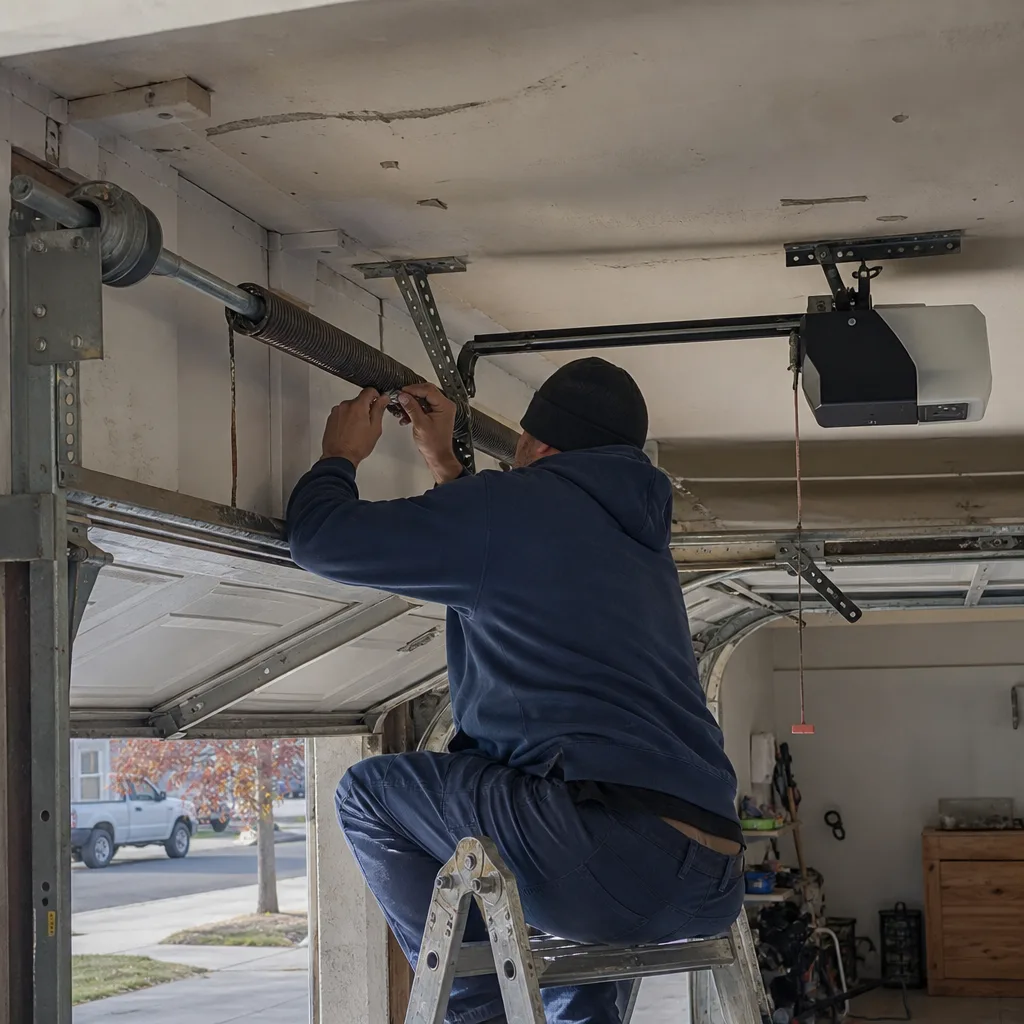 Before
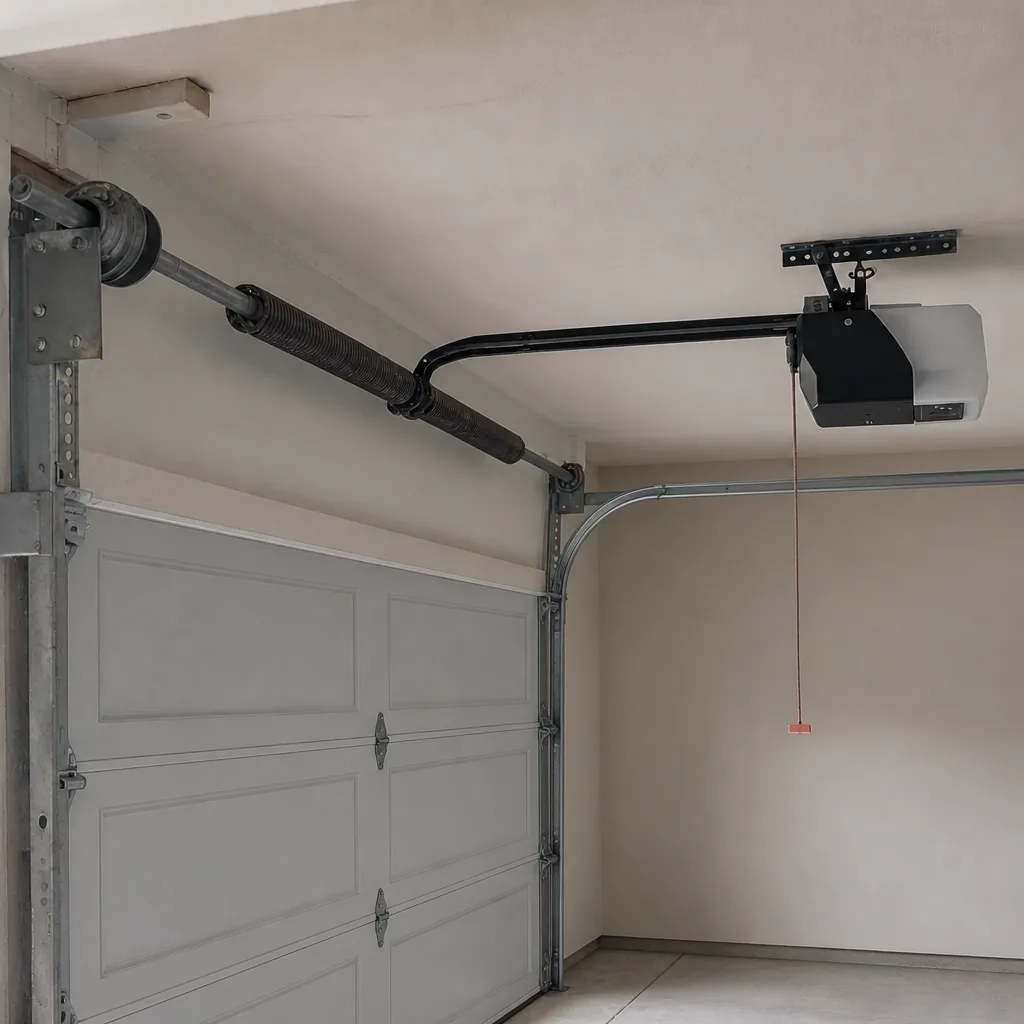 After
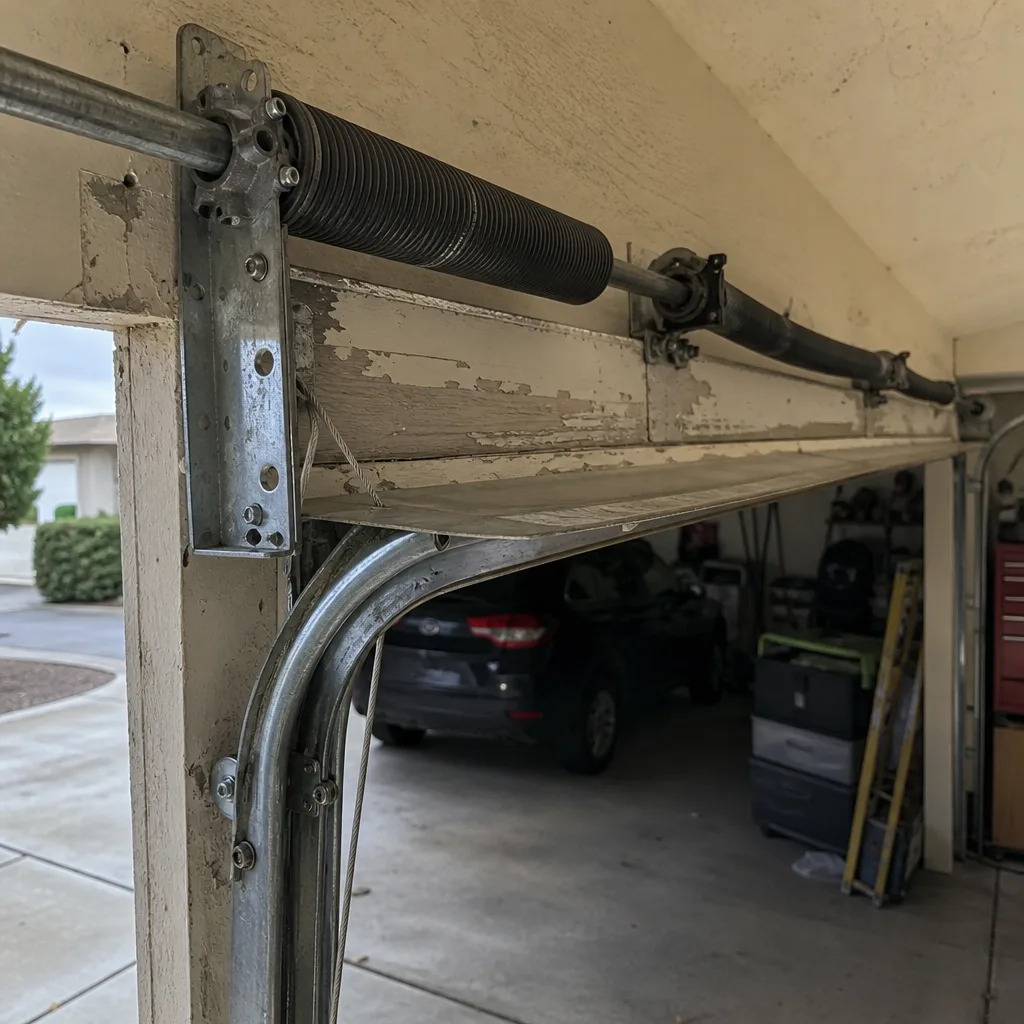 Before
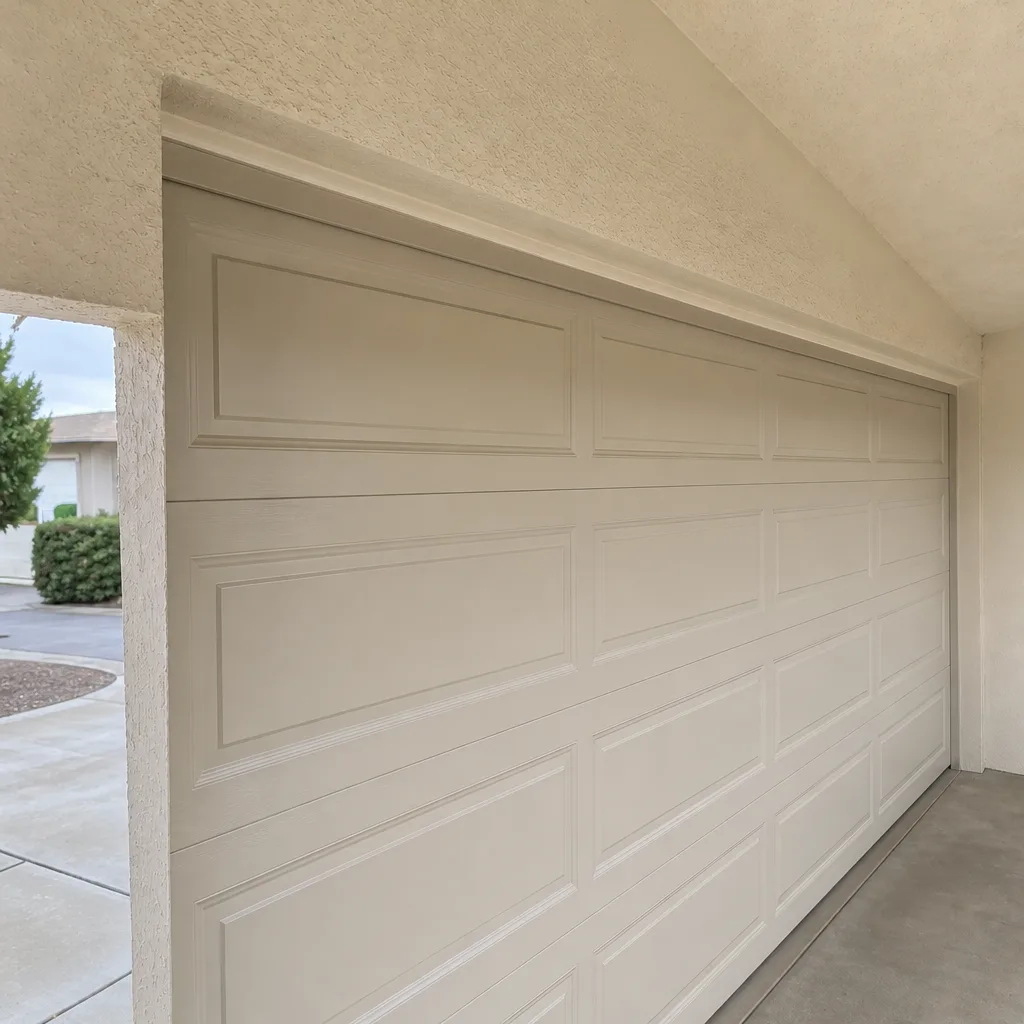 After
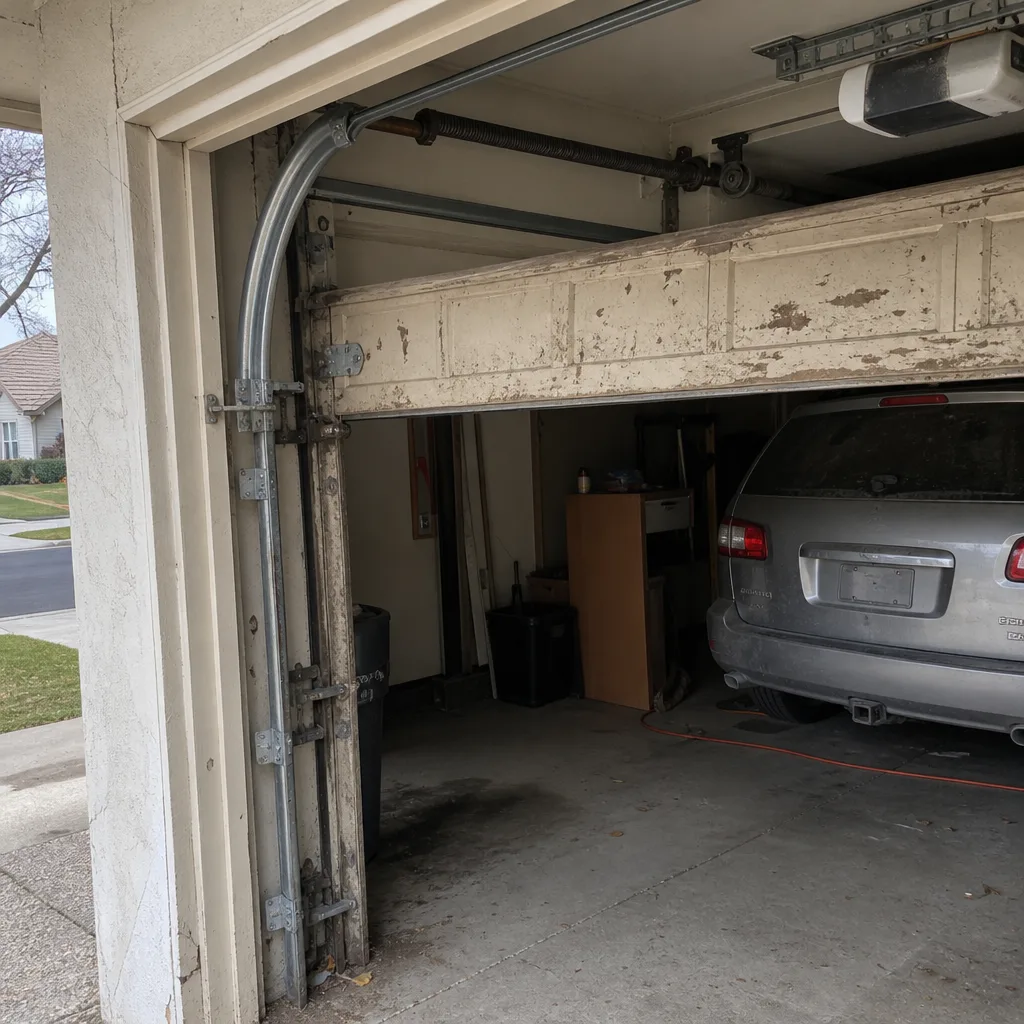 Before
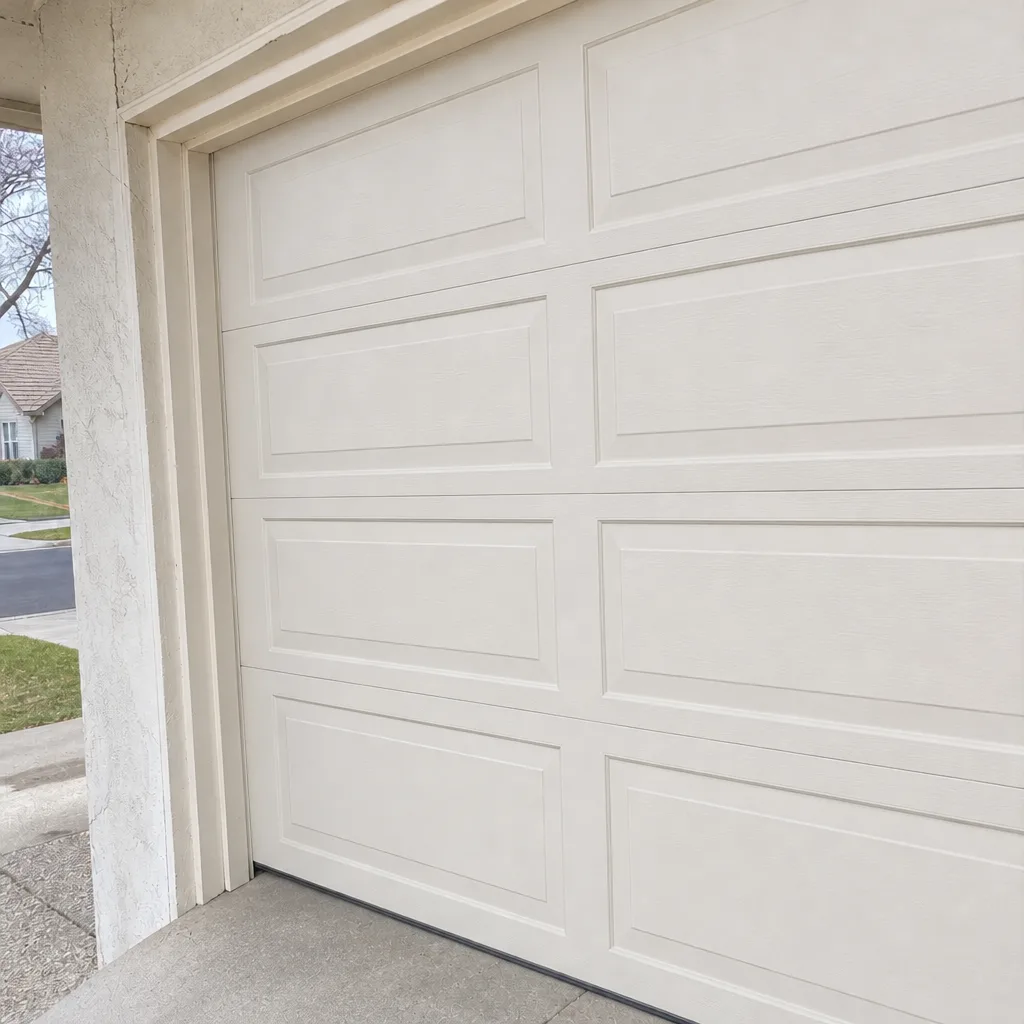 After