
Last updated October 30, 2026
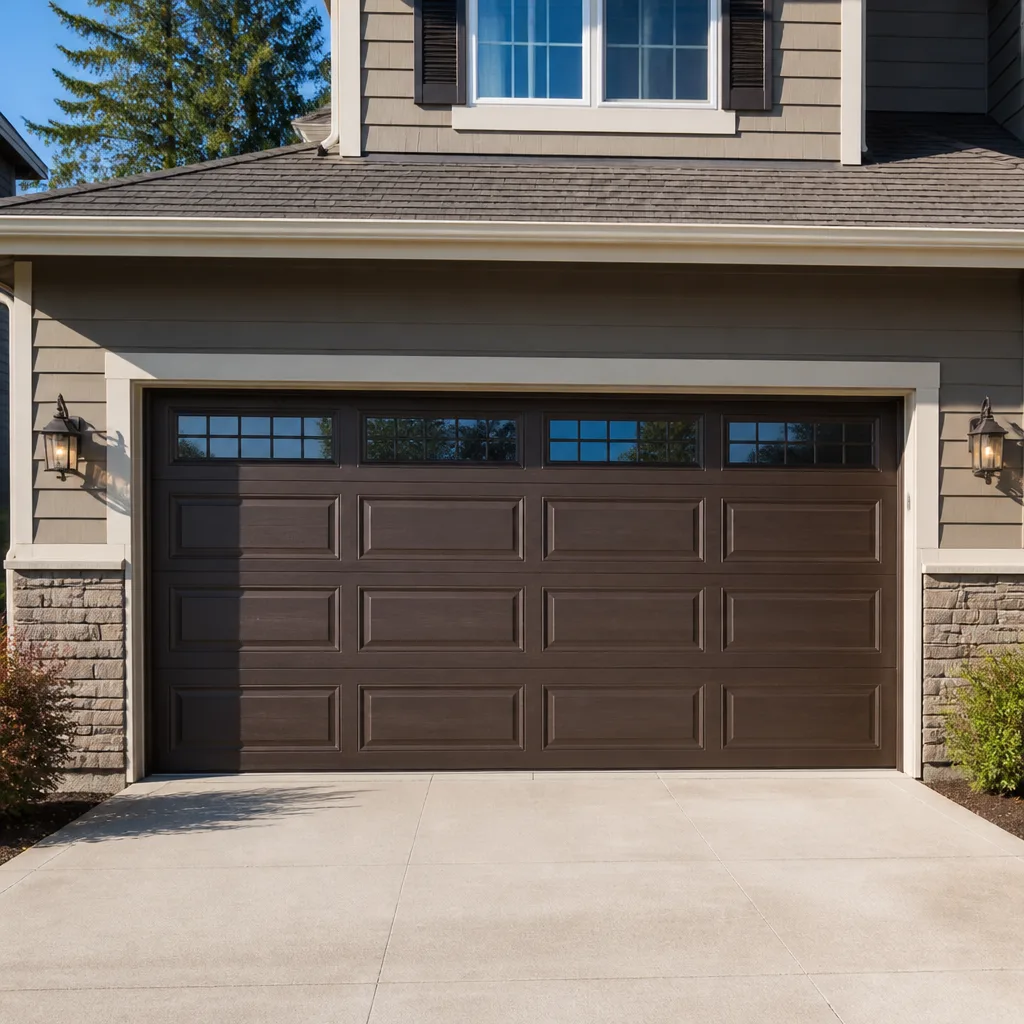 Raised-panel steel
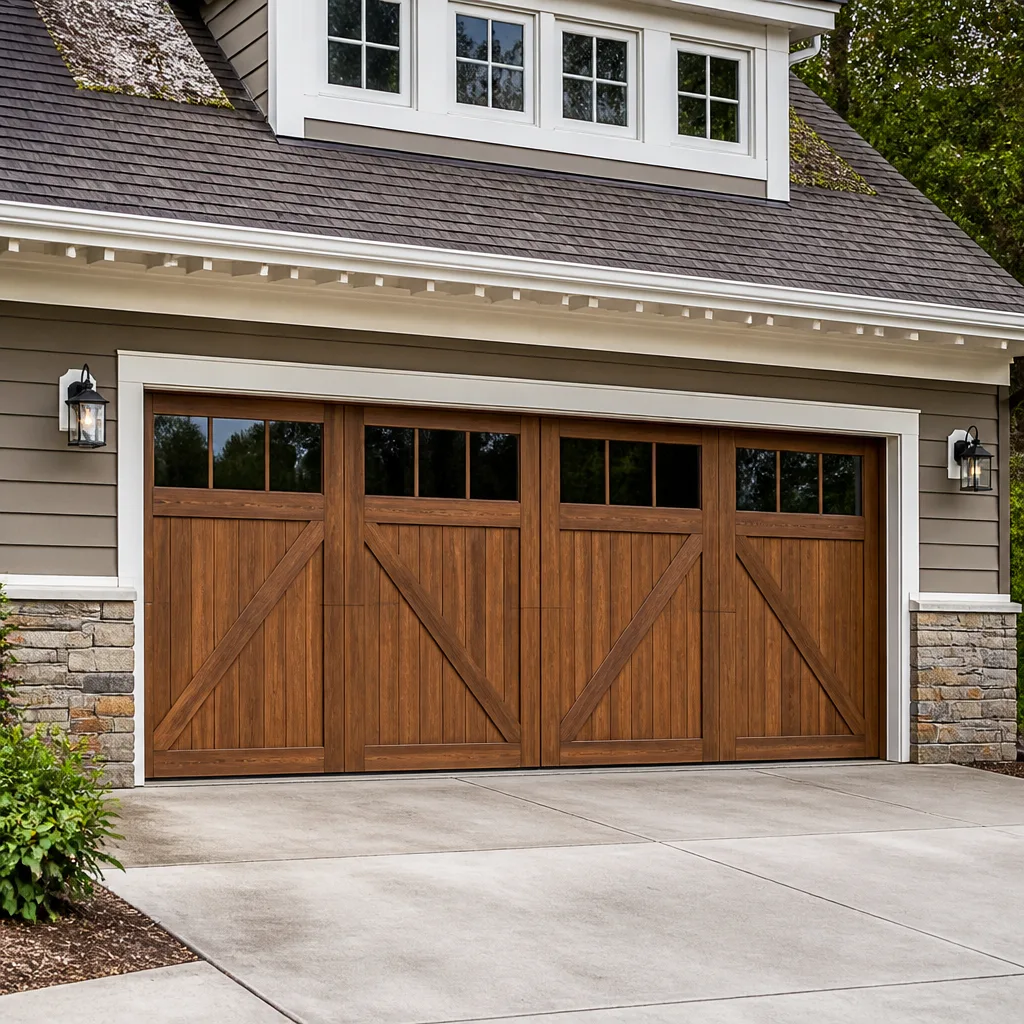 Carriage house
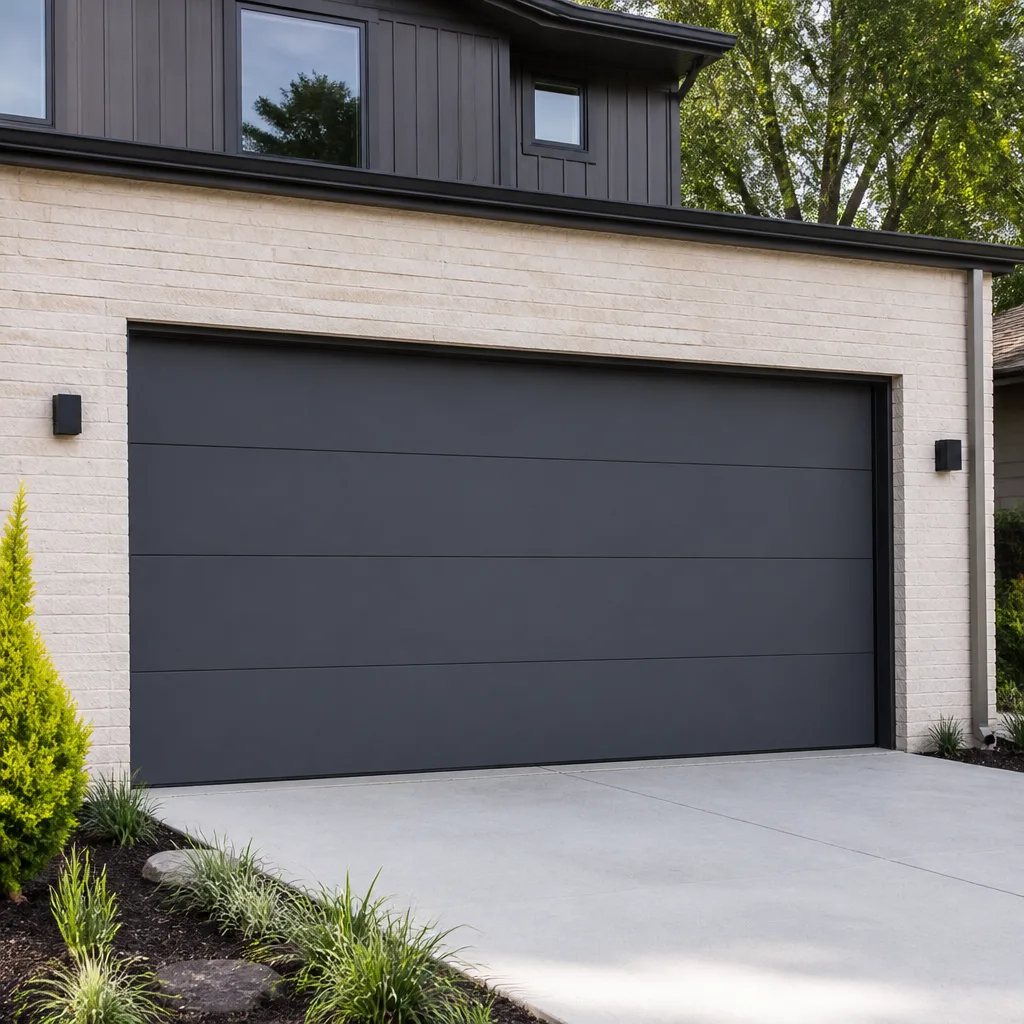 Modern flush
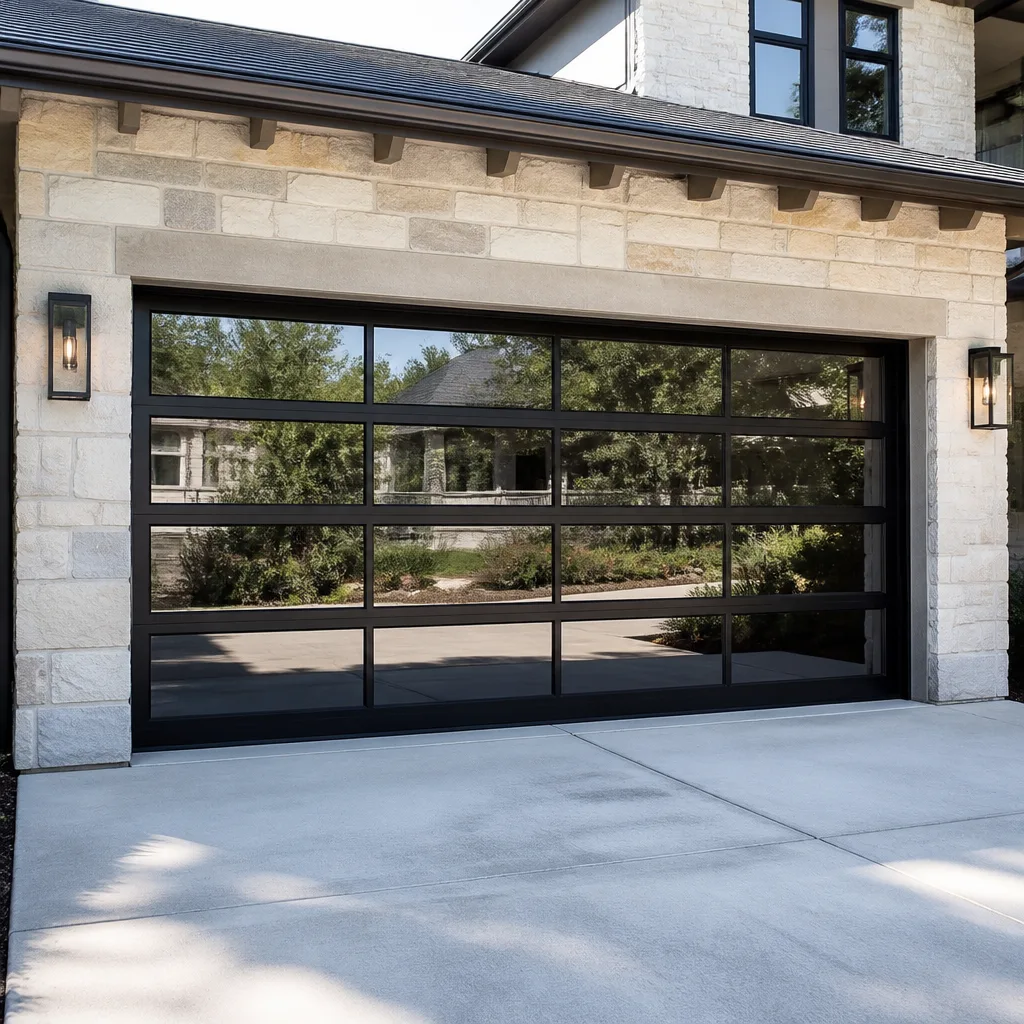 Full-view glass
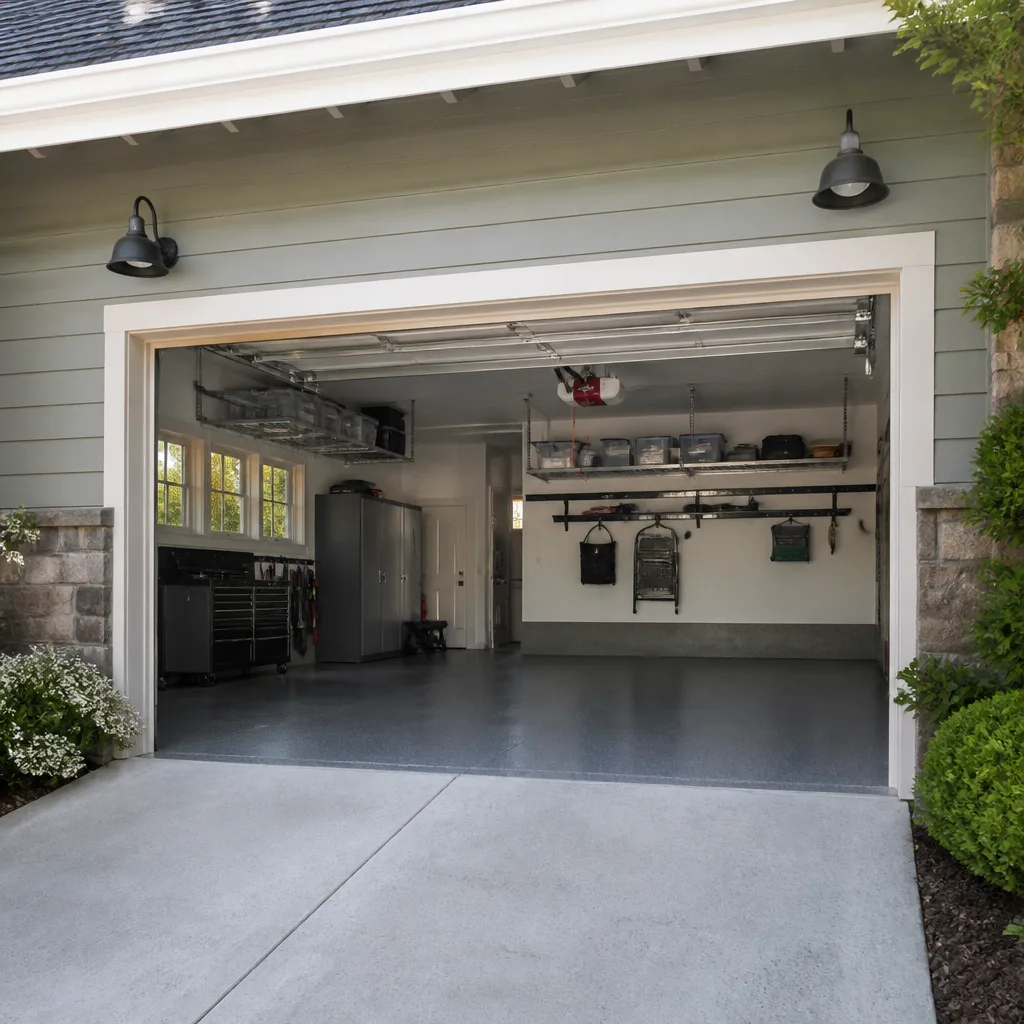 LiftMaster openers
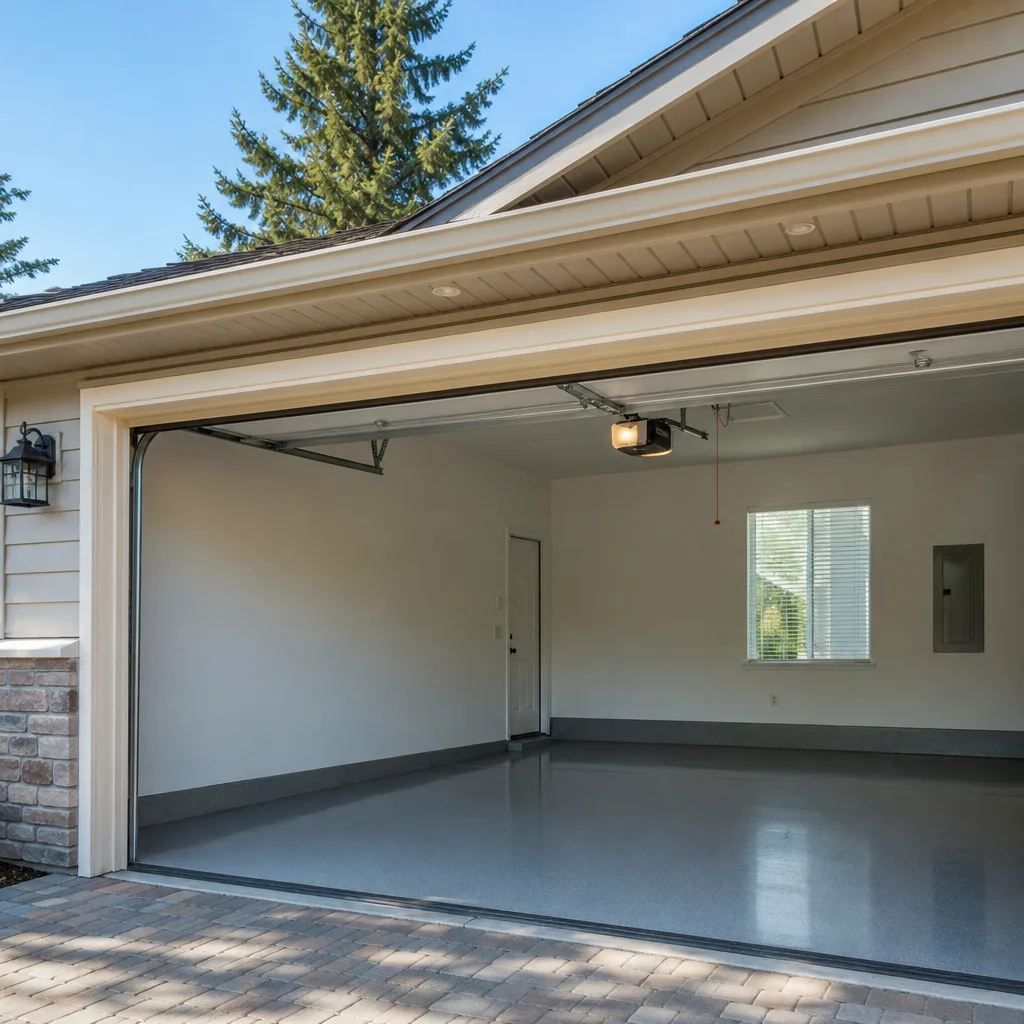 Chamberlain openers
Full 25-point door and opener safety check with every visit - springs, cables, rollers, tracks, and your LiftMaster or Chamberlain opener included
You get a price before we start. It does not change when the truck arrives.
Get your free estimateGarage Door Emergency Preparedness Guide for Roseville Homes
During the August 2020 rolling blackouts that hit the Sacramento region, thousands of Roseville homeowners walked into their garages and pulled the wall button, only to hear nothing. No hum. No movement. Just a dark garage and a car trapped inside. What followed was a scramble: some people found the red emergency release cord by chance. Others didn’t. A surprising number assumed their opener had failed permanently and called repair companies for a problem that was, fundamentally, a power issue, not a mechanical one. This guide walks through the two garage door emergencies Roseville residents actually face: a door stuck closed during an outage, and a door that can’t be secured after a break-in attempt or storm damage. You’ll learn the manual release procedure for the opener you likely own, how to secure a door that won’t close electrically, what battery backup actually costs, and what emergency service pricing should look like in Roseville so you’re not negotiating under pressure at 6 a.m.
Styles & brands we work with
- Raised-panel steel
- Carriage house
- Modern flush
- Full-view glass
- LiftMaster openers
- Chamberlain openers
Quick Answer
A garage door emergency in Roseville typically means one of two situations: the door is stuck closed and you need to get a vehicle out, or the door is stuck open and you need to secure the house. The solution in both cases starts with knowing your opener’s manual release mechanism, which works on every LiftMaster, Chamberlain, and Genie model installed in the area. For a permanent fix or if the door itself is damaged, calling a Roseville garage door repair company is the fastest route; see our Garage Door Repair Troubleshooting in Roseville: Common Problems and How to Fix Them for what to expect. Wright Garage Door Repair offers free estimates in Roseville at (855) 362-1465.
Table of Contents
- The Two Real Emergencies Roseville Homeowners Face
- How to Manually Open Your Garage Door: Step-by-Step for Five Openers
- Securing a Door That Won’t Close Electrically
- Battery Backup: What the 2023 California Code Changed
- Damaged Panels and Storm Doors: Temporary Fixes That Hold
- What Emergency Garage Door Service Costs in Roseville
- Preventive Steps That Stop Most Emergencies Before They Start
- Common Mistakes to Avoid
- When to Call a Professional
- Frequently Asked Questions
The Two Real Emergencies Roseville Homeowners Face
In our experience across Roseville, garage door emergencies fall into exactly two categories. Understanding which one you’re in determines everything you do next.
Scenario one: the door won’t open. Power is out, the opener won’t respond, or a spring has snapped with the door in the down position. Your car is trapped. You need to get out. This is a release-and-lift situation, assuming the door itself hasn’t sustained mechanical damage. Roseville’s summer grid events make this the most common emergency between June and September. When temperatures push past 100 degrees and rolling outages hit West Roseville, Cirby Ranch, and Folsom Road neighborhoods, we get the same call every time: “The opener’s dead and my car’s stuck.”
Scenario two: the door won’t close. A storm blew through, a panel is dented or off-track, or someone attempted a forced entry and the door is sitting half-open or fully open. The house is exposed. You need to secure it. This one is more urgent from a safety standpoint. An open garage is an invitation in any Roseville neighborhood, from Sun City to Stanford Crossing. The fix may be temporary, but it has to hold overnight.
Most homeowners we meet in Roseville have no plan for either scenario, though our more guides & resources can help. They think their opener is a single point of failure, and when it fails, they’re stuck. The truth is every garage door installed since 1982 has a manual release mechanism, and every door has a manual lock bar. Knowing where those are and how they work solves 80 percent of the emergency on the spot.
How to Manually Open Your Garage Door: Step-by-Step for Five Openers
The manual release mechanism on a garage door opener is a rope with a red or orange plastic handle hanging from the trolley, which is the metal carriage that slides along the rail and connects to the door arm. Pulling this handle disengages the trolley from the door’s drive system, letting you lift the door by hand. That much is universal. What changes between opener brands is the position of the cord, the type of trolley, and how the release behaves under tension.
Here’s the procedure for the openers most commonly installed in Roseville homes.
LiftMaster and Chamberlain (belt drive, models from 2010 to present)
- Locate the red emergency release cord. It hangs from the trolley, roughly 3 to 5 feet inside the door opening, attached to the rail.
- If the opener has power and is in the closed position, the door is sitting under slight downward tension. Pull the cord firmly toward the door, not straight down. You’ll hear a click as the trolley carriage releases.
- If the door is partially open and has tension on the springs, do not yank the cord. The trolley may be under load. Pull the cord in one smooth, steady motion while holding the door handle with your other hand to control the door’s weight.
- Once the trolley is disengaged, grip the door handle or the bottom edge and lift straight up. A properly balanced door should lift smoothly with one hand. If it’s heavy or uneven, a spring has likely failed. Stop lifting and call a professional.
- To re-engage, pull the release cord toward the opener motor until you hear it click, then run the opener once to re-seat the trolley.
Genie (screw drive and belt drive models through 2020)
- The Genie release handle is also red, but on older screw-drive models it may be a bare plastic T-handle rather than a rope-and-grip assembly.
- Pull the handle straight down and back toward the door. On Genie screw-drive units, the release carriage physically separates from the screw, and the motor may spin freely if activated while disengaged. Do not run the opener while the carriage is released on these models.
- Lift the door manually. If smooth, the door assembly is fine and the opener is the only problem.
- To re-engage on screw-drive Genies, press the opener switch while guiding the carriage back onto the screw thread. This takes two people on some models: one to hold the release cord in the engaged position, one to run the opener.
Craftsman (chain drive, any model year)
- Craftsman chain-drive openers use the same red-cord release as LiftMaster, since Craftsman openers were manufactured by Chamberlain’s parent group for most of their production run.
- The trolley on chain-drive units sits on the chain rail. Pull the cord toward the door to release. You’ll hear the chain slacken slightly.
- Lift the door. If you hear grinding or the chain keeps catching, the trolley hasn’t fully released. Pull the cord again with a firmer motion.
- To re-engage, cycle the opener once with the release cord held toward the motor, then press the wall button to run a full cycle.
Clopay (door manufacturer, paired with lift systems)
Clopay doesn’t manufacture openers, but many Roseville homes pair a Clopay door with a third-party opener, most often Chamberlain or LiftMaster. The manual release procedure is the same as the opener’s brand, not the door’s. One thing we tell Clopay door owners specifically: Clopay doors on the heavier end, like wood-look steel and carriage-house designs, weigh more than standard pan doors. If the release cord is pulled while the door is under full closed tension, the door can drift down hard momentarily. Keep a hand on the door handle when you pull the cord.
The key difference: tension on the door vs. no tension
Here’s what most generic guides miss. When the door is fully closed, there is minimal to no tension on the lift springs, and the manual release is straightforward. Pull and lift. But when the door is partially open, especially within the first 24 inches of opening, the torsion or extension springs are holding significant load. Pulling the release cord in that window can cause the door to drop or jerk. In that situation, pull the cord while someone else braces the door, or pull the cord in a single controlled motion while keeping your other hand on the bottom handle. If you’re alone and the door is partially open under spring tension, the safer play is to not touch it and call a technician who handles this daily. We’ve had Roseville homeowners on Crocker Ranch and Johnson Ranch learn this the hard way with pinched fingers and doors that crashed down.
For repair service on any of these systems, our Garage Door Repair in Roseville page covers what to expect from a service visit.
Securing a Door That Won’t Close Electrically
If the opener fails while the door is open, or the door comes off track from wind or impact, you need to get it closed and locked. Here’s the correct sequence, including the manual lock bar most Roseville homeowners have never touched in the 10 years they’ve owned their home.
Step one: disengage the opener. Pull the release cord so the door is free of the trolley. If the opener is powered and malfunctioning, unplug the motor. A malfunctioning opener can cycle on its own if wall buttons or remotes stick.
Step two: lower the door by hand. Grip the bottom handle or the pull rope on the inside and walk the door down. If the door is off its track, stop. Forcing an off-track door down can cause the panel to twist, pop cables, or make the spring system lose tension unpredictably. An off-track door needs a professional; temporary securing means blocking entry from inside, which we cover below.
Step three: engage the manual lock bar. Almost every Clopay, Amarr, and Wayne Dalton door installed in Roseville has a lock bar, which is a sliding metal rod on the inside of the door panel, usually on the second or third section from the bottom, with a small handle. Slide the bar to extend it into the vertical track. The bar inserts into a hole or slot in the track, physically blocking the door from being lifted from outside. This is the single most overlooked security feature on a garage door. It works whether or not the opener has power.
Step four: if there’s no lock bar or it’s damaged, use a c-clamp or locking pliers. Clamp the track just above one of the rollers on both sides. A 4-inch c-clamp from any hardware store in Roseville works. This is a legitimate temporary securing method. Do not use a padlock through the track holes: the track holes on most residential doors are 3/8-inch or smaller, and a padlock shackle won’t seat fully, which lets the door lift a few inches anyway.
Step five: block the photo eye path. If the door is closed but the opener won’t function, block the exterior photo eyes with a solid object so a stray remote signal can’t open the door. Disconnect the opener or flip its breaker if you’re leaving the house for more than a day.
Improvised solutions that don’t hold include: wedging a broom handle in the track (the track flexes enough for the door to lift one panel), tying the pull rope to a wall bracket (it snaps), and parking a car bumper against the door (it’s cosmetic). The lock bar is the structural answer. Every other method is temporary pressure, not a lock.
Battery Backup: What the 2023 California Code Changed
Here’s a fact most Roseville homeowners don’t know: since 2023, California building code requires battery backup on all newly installed residential garage door openers; full details are in Garage Door Permits, Codes & Inspections in Roseville, CA: What You Need to Know. California was actually ahead of this curve: the state passed SB 969 in 2018, requiring battery backup on new opener installations starting July 2019. It was written in direct response to the 2017 wildfire evacuations when residents couldn’t open their garages because the power was cut. Roseville may not be in a wildfire evacuation zone like the foothill communities, but the rolling outages of 2020 proved the code’s relevance here too.
The practical translation: if your Roseville home’s opener was installed after mid-2019, it almost certainly has a battery backup. If it was installed before that, it probably doesn’t unless you bought a premium model.
Which LiftMaster and Chamberlain models have integrated battery backup:
- LiftMaster 8550, 8580, 8500, and the newer 87504 family: integrated battery, activates automatically on power loss, typically good for 20 to 30 full open/close cycles before the battery drains.
- Chamberlain B970, B1381, and most models with “BB” or “Backup” in the name: integrated battery with similar cycle life.
- Older Chamberlain and LiftMaster models (pre-2019, belt and chain drives without BB designation): no battery. These need an external unit like the LiftMaster 475LM or Genie BULLDOG, which mounts near the motor and hardwires into the circuit.
- Genie models with “BBU” in the model number: integrated backup. Older screw-drive Genies from before 2015 typically lack backup wiring.
If you’re buying a new opener in Roseville and want backup power, you don’t have to seek it out anymore. The code requires it. If you have an older opener without backup, adding an external battery unit is a $150 to $250 hardware investment plus labor. Some Roseville homeowners choose to skip the add-on and manually release the door instead, which is a reasonable choice if you’re physically capable of lifting the door.
What the code doesn’t cover is the door itself. A battery backup powers the opener, not the door springs. If a spring broke, the backup unit won’t help. The opener is designed to move a balanced door, not compensate for a failed spring. That distinction matters more than the battery question in most real emergencies.
Damaged Panels and Storm Doors: Temporary Fixes That Hold
Roseville gets wind events, not hurricanes. But a falling tree branch, a car clip against the bottom panel, or a burglary attempt can leave a garage door panel dented, twisted, or partially separated from the track. When a panel is damaged in a way that prevents the door from closing, the goal is to get the house secured until a replacement panel or door can be ordered.
Structurally sound temporary securing methods:
- Pull the door down as far as it will go and engage the manual lock bar on both sides if the bar can reach the track slots. Even a partially closed door is a stronger deterrent than an open one.
- Use a ratchet strap looped through the bottom panel handle and around the wall-mounted track brackets. A 1,500 lb working-load strap from any Roseville hardware store holds the door in the down position. Crisscross the strap to distribute pull.
- For an off-track door that can’t be lowered, remove the pull-down force and brace the door from inside with a 2×4 wedged between the floor and the bottom panel’s inside face. This keeps the door from dropping further and from being lifted outward.
- Screw a piece of plywood over the door opening from the inside if the panel is punched through and won’t seat in the track at all. A full sheet can be screwed into the wall framing around the opening. It’s ugly but it’s a real barrier.
Improvised methods that are not structurally sound:
- Rope tied from the door handle to the opener rail. The rope stretches and the rail was never designed to take that vector load.
- A cinder block or bucket placed in the track channel. The door rollers will crunch right over it once the opener pulls, and now you have track damage on top of the original problem.
- Duct tape across a cracked panel. Cosmetic. It contributes zero structural strength and sells you false security.
In Roseville, panel replacement is often faster than most homeowners assume. For common Clopay and Amarr panel sizes, parts are available from regional distribution. For older or discontinued door models, especially custom colors or wood finishes, the panel may need to be ordered. We’ve seen a one-week wait and we’ve seen a four-week wait. The temporary method needs to hold for that window, which is why the ratchet-strap-and-lock-bar approach is the standard.
What Emergency Garage Door Service Costs in Roseville
Here’s a number to have in your head before you ever need it: emergency garage door service in Roseville, meaning after-hours or same-day dispatch for a door that won’t close, typically runs $180 to $350 for the service call and basic repair labor, plus parts. That’s the Roseville market range. Some companies quote lower and add on parts aggressively. Some quote higher and include a basic repair. If you’re quoted below $150 for emergency dispatch, confirm what that includes and whether the door will actually be secured, not just inspected.
What does an emergency rate actually buy you? A technician dispatched to your Roseville home within a few hours, with the truck stocked for the most common failure points: extension and torsion springs in the most common sizes, cables, rollers, hinges, and opener repair parts for LiftMaster, Chamberlain, and Genie systems. Parts pricing at emergency rates should be the same as regular rates; the premium you pay is for the dispatch priority and the off-hours labor. A company that marks parts up 200 percent during an emergency call is not doing you a favor.
Here’s a realistic line-item picture for the two most common emergency scenarios in Roseville:
- Broken torsion spring, single door, standard 7-foot height: $280 to $420 total, including the spring, labor, and an inspection of the second spring (if your door has two, replace both; if one broke, the other is on the same wear cycle).
- Door off track from impact, straightening track and re-seating rollers: $180 to $300, assuming the track isn’t bent beyond straightening and the panels aren’t damaged.
- Opener gear failure on a chain or belt drive LiftMaster or Chamberlain: $160 to $260 for the gear kit and labor, or $450 to $700 for a full opener replacement if the unit is older than 15 years.
- Extension cable snapped, with door trapped mid-raise: $180 to $280 including both cables (always replace both sides, same as springs).
These are ballpark figures for Roseville’s market. Every door is different, and exact numbers depend on your specific model and hardware. What you should never accept is a price quoted after the work is done. Any reputable company will give you the number before they start and hold to it. For a permanent repair rather than a temporary emergency patch, see our garage door opener repair service page.
Preventive Steps That Stop Most Emergencies Before They Start
The cheapest emergency is the one that never happens. In Roseville, where summer heat accelerates spring metal fatigue and winter rain gets into rusty roller bearings, a few preventive actions - covered in our Garage Door Repair Maintenance Checklist for Roseville Homeowners - eliminate most emergency calls we hear.
Number one: know where your release cord is and test it. Go into your garage today. Find the red cord. Pull it gently enough to feel the trolley release, then re-engage it. If you can’t find the cord, or it’s knotted out of reach, that’s a problem you can fix now instead of discovering in a dark garage during a blackout.
Number two: test your door balance. Disengage the opener and lift the door halfway by hand. If it stays at the halfway point, your springs are doing their job. If it drifts down or rises up, the springs are worn and a break is coming. This is a two-minute test that catches 90 percent of the spring failures we see in Roseville.
Number three: check the lock bar and the tracks. Slide the lock bar into its slots on both sides. If it doesn’t line up, the door is out of alignment. Check for rust on the tracks and wipe the rollers with a dry rag. Roseville’s dry summers keep rust down, but openers near a water heater or in a damp side-access garage can corrode faster.
Number four: know your opener’s age and backup status. Look at the model label on the motor head. If it’s a LiftMaster or Chamberlain from before 2015, add battery backup or plan for replacement. If it hums but won’t move the door, stop running it. Running a gear-stripped opener just burns the motor out further.
Number five: replace both springs, not one. If one torsion spring breaks, the other is the same age and likely the same fatigue. Replacing one means paying for labor twice. We replace both as standard practice because the second break is coming, and in Roseville’s heat, it’s coming sooner than you think.
For a full preventive picture of what a professional inspection covers, our Wright Garage Door Repair home page outlines our approach to whole-system checks.
Common Mistakes to Avoid
- Yanking the release cord when the door is partially open. The spring tension in that zone can cause the door to jerk downward. A smooth, controlled pull with a hand on the door prevents this.
- Running the opener after a manual release without re-engaging the trolley. On some Genie screw-drive models, the motor will spin free, and on chain-drive units, the chain can dance and tangle. Always confirm the carriage is seated before pressing the wall button.
- Trying to force an off-track door down. A door that’s jumped its track is unstable. Forcing it makes cable pop-offs and panel bending worse. This is the quickest way to turn a $250 fix into a $900 one in a Roseville garage.
- Using the wrong temporary lock. Padlocks in track holes, broom handles, and ropes tied to rails all create a false sense of security. The lock bar or a c-clamp on the track is what actually holds.
- Waiting to replace the second spring. It feels like saving money until the other one breaks two weeks later on a Sunday night. Now you’re paying emergency rates instead of standard rates.
- Ignoring the garage door in weekly home maintenance. Roseville homeowners check smoke detectors and HVAC filters more than they check a 400-pound door that cycles twice a day. The door gets more mechanical cycles than any appliance in the house.
- Assuming the opener can’t be opened manually at all. Every opener has a release. If you’ve lived in your Roseville home for five years and never touched the red cord, you’re not prepared for an outage, period.
When to Call a Professional
Some garage door problems are safe to diagnose and even temporarily manage yourself. A manual release during a power outage is one of them. Here’s when to stop and call a technician: the door is off its track, a spring is visibly broken or the door feels heavy and unbalanced, cables are hanging loose or frayed, or the door was struck hard enough to dent a panel and you can’t get it to seat in the track. These situations involve stored spring energy or unstable loads. A trained technician does this work every day with the right tools and a clear-eyed view of the danger. Wright Garage Door Repair offers free estimates in Roseville, covers the full scope of door and opener systems, and has brand-specific working knowledge of LiftMaster, Chamberlain, Genie, Clopay, Amarr, Wayne Dalton, Craftsman, and Raynor equipment. Call (855) 362-1465 for a free estimate.
Frequently Asked Questions
Pull the red emergency release cord hanging from your opener’s rail, then lift the door by hand from the bottom handle. This works the same on LiftMaster, Chamberlain, Genie, and Craftsman openers. If the door feels heavy, stop and call a repair company, because a spring may be broken. Call (855) 362-1465 for help with any opener in Roseville.
If your opener was installed in Roseville after July 2019, California code requires it to have battery backup. LiftMaster models ending in 04, 00, or with “BB” designations, and Chamberlain B-series models, have integrated batteries. Older units without backup can be fitted with an external battery unit or you can simply use the manual release cord during an outage.
Disengage the opener, lower the door by hand if it’s on its track, then slide the manual lock bar into the track on both sides. If the door is off its track, brace it from inside and call a professional. A door that won’t close is a security problem that needs attention the same day it happens.
Emergency service in Roseville typically runs $180 to $350 for the service call and basic repair labor, plus parts. A broken torsion spring usually totals $280 to $420 with parts and labor. Expect to pay parts prices that match standard rates; the emergency premium covers dispatch priority and after-hours labor, not inflated parts. Wright Garage Door Repair quotes the full price before work starts, so call (855) 362-1465 and you’ll know the number before any wrench turns.
A padlock through the track holes doesn’t work on most residential doors because the shackle is too thick to seat fully, leaving the door able to lift a few inches. The manual lock bar or a c-clamp on the track above a roller is the effective temporary solution.
Yes. Torsion springs store enough energy to cause serious injury. In Roseville, this is the single most common do-it-yourself injury in residential garages. If a spring is broken, do not attempt to remove or adjust it. Call a professional, get a quote upfront, and have both springs replaced at the same time.
The Bottom Line
Roseville garage door emergencies come down to two scenarios: a door that won’t open and a door that won’t close. Both have manual overrides built into the system, and both can be handled safely if you know what’s in your garage before the emergency hits. Find your release cord. Test your door balance. Know whether your opener has battery backup, because any unit installed after 2019 in California does. And when the problem is mechanical, a broken spring, an off-track door, a failed opener, call the same company that handles the door and the drive system under one roof. Wright Garage Door Repair covers the full scope: Garage Door Installation in Roseville, repair, and opener work on every major brand installed in this city. Call (855) 362-1465 for a free estimate.
Written by the team at Wright Garage Door Repair, serving Roseville since 2017.
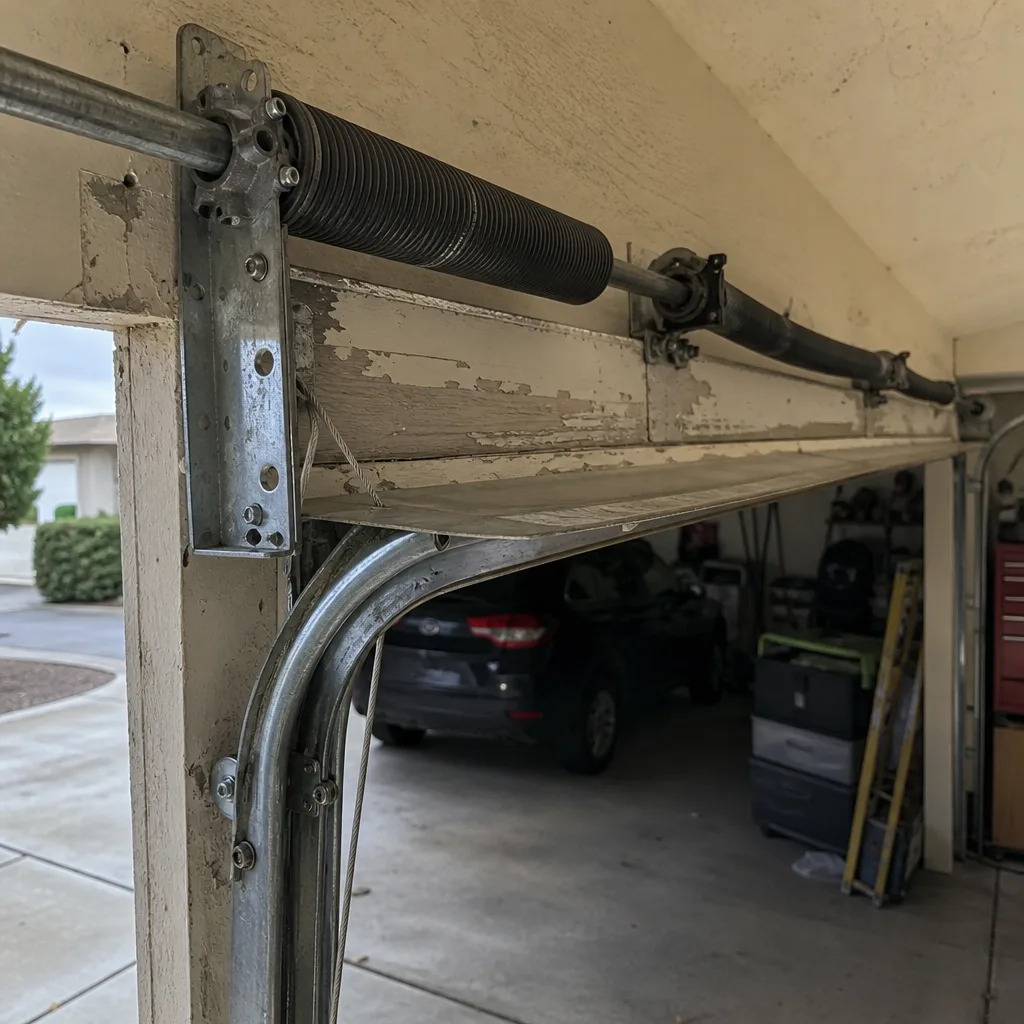
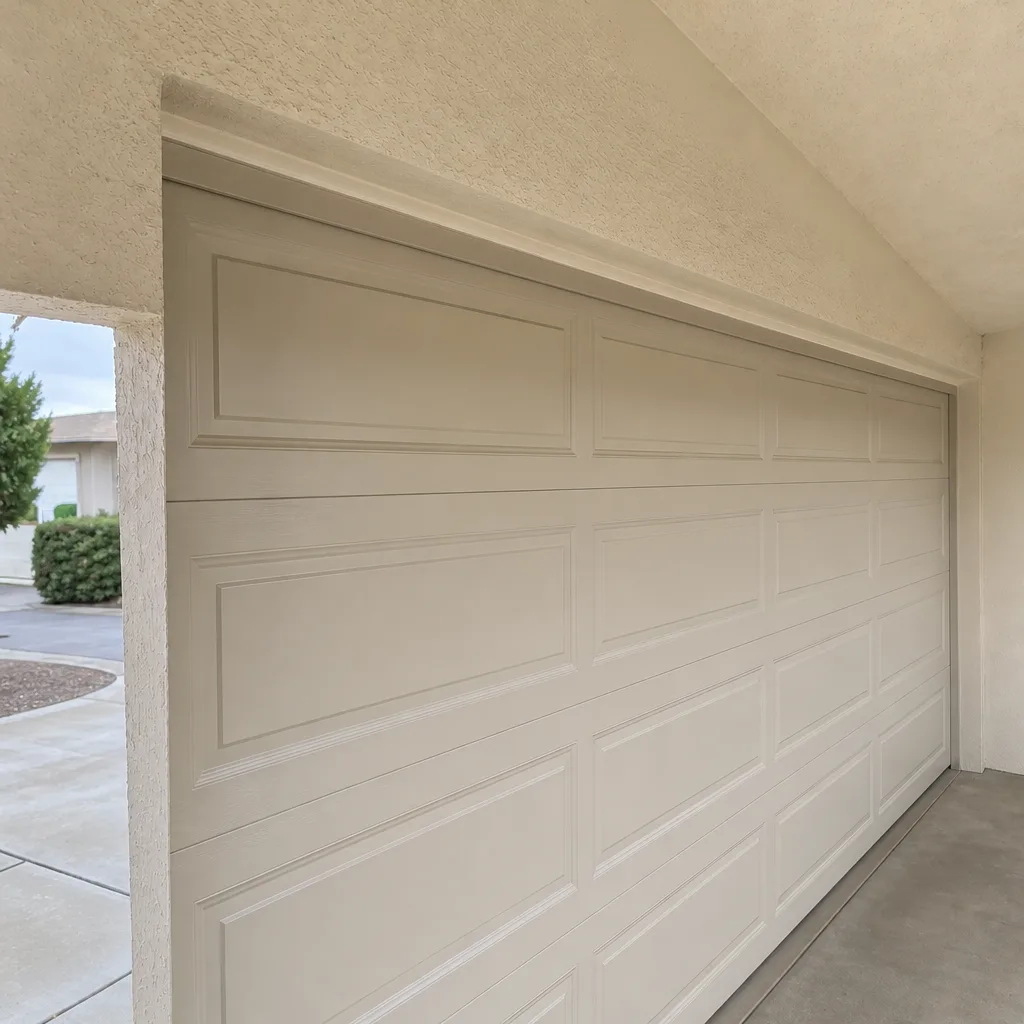
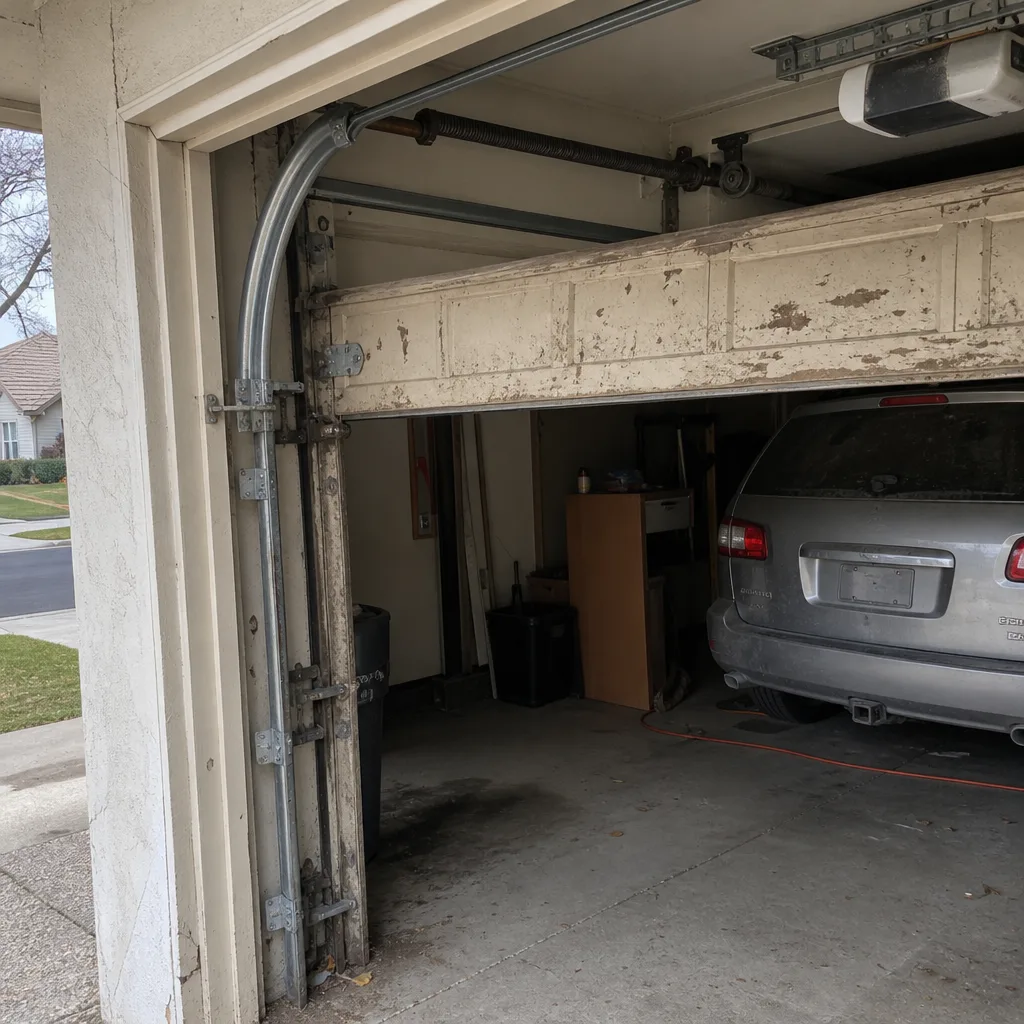
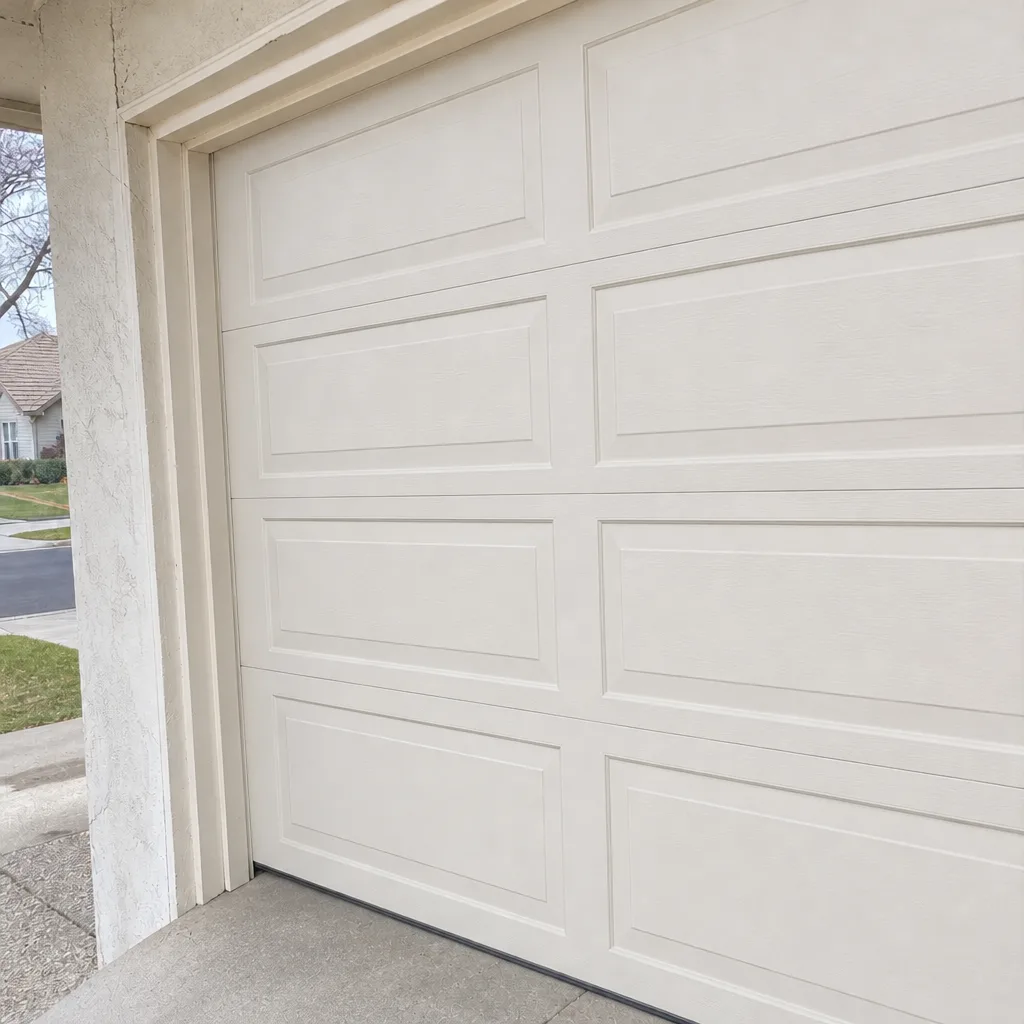
See the difference
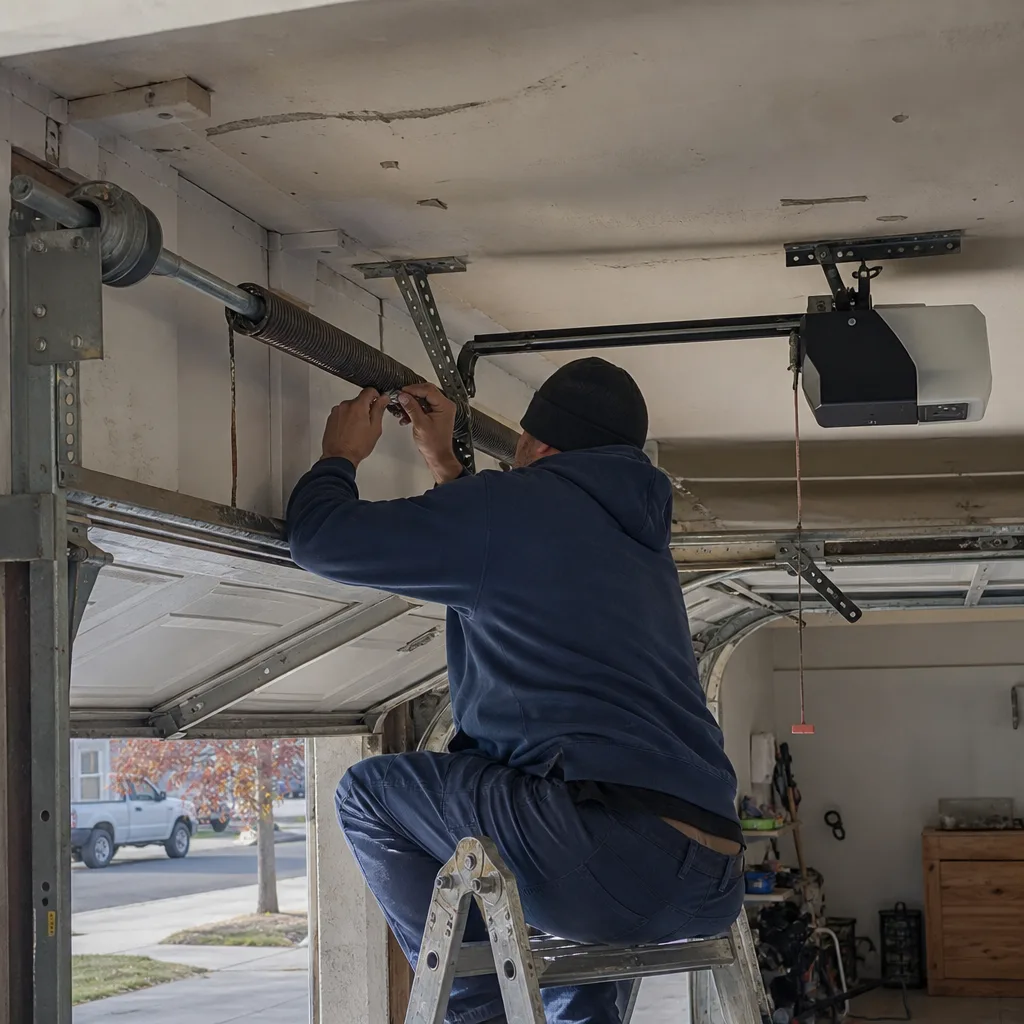 Before
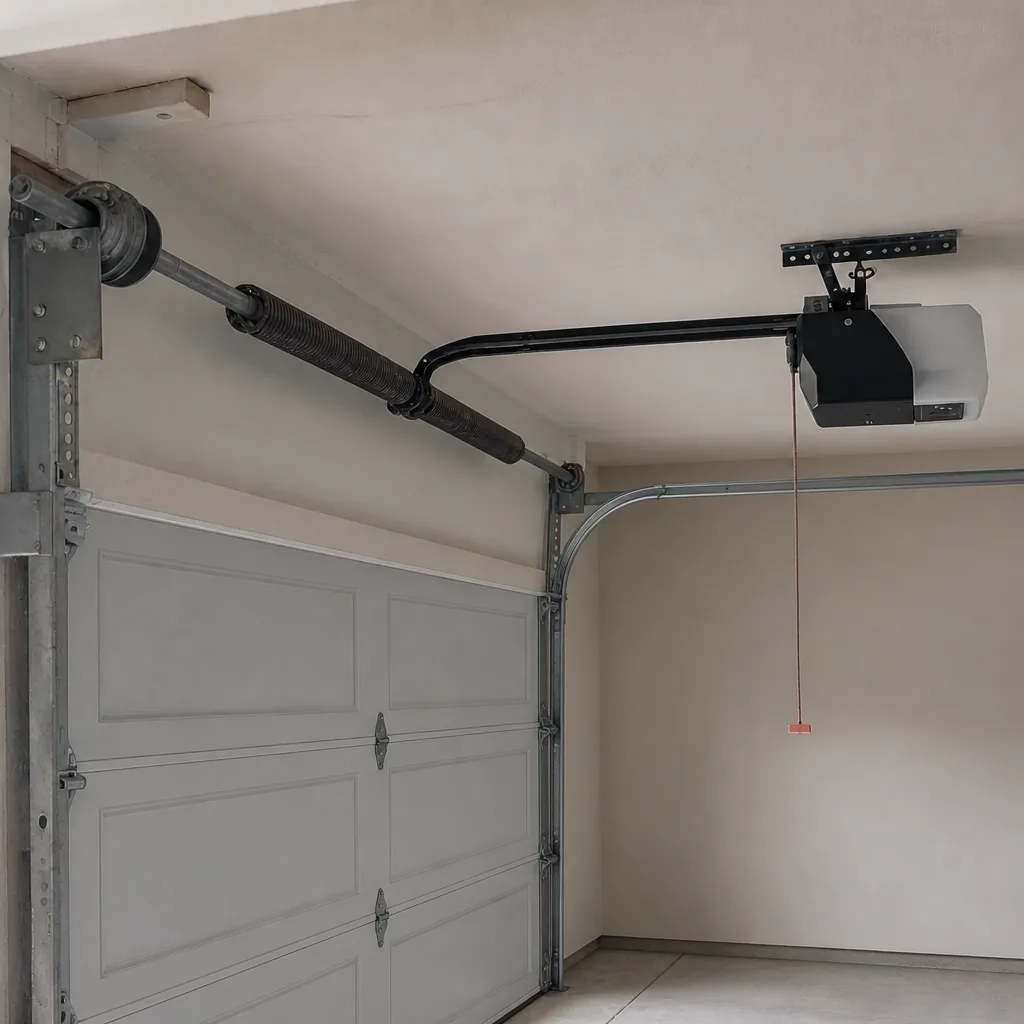 After
 Before
 After
 Before
 After